
Purchasing a shipping container is a strategic decision that serves multiple purposes, from secure storage solutions and unique building projects to efficient goods transport. However, the process involves more than just picking one off the shelf. It requires a nuanced understanding of the types available, their conditions, and how they align with your specific needs.
Condition matters after delivery as well as before it, and our look at what a level, drained gravel base does for a container through freeze and thaw, with the pad specifications two contractor guides recommend.
If you find water inside a container you already own, start with how to tell a roof leak from condensation, including a free overnight foil test that settles the question.
Inspecting the unit is only part of the job — here’s the half of the purchase most buyers forget to scrutinize — including why the 50% figure circulating this month has nothing to do with intermodal containers.
This checklist earns its keep in a glut. See our July 2026 piece on why a fuller yard makes the inspection matter more, not less before you walk a lot stacked with off-hire boxes.
Inspection starts with knowing the tier — our 2026 guide to how container grades decide what condition you’re actually buying breaks down one-trip, cargo-worthy, and wind-and-watertight so you know what each label promises before you look at the metal.
Before walking through the inspection checklist below, it helps to know that the resale market in 2026 is running older inventory than it used to — which is exactly why each item on the list is doing more work this year than it did two years ago.
Buyers specifically shopping for jobsite storage should also read our analysis of construction site theft and why contractors are turning to shipping containers in 2026 before finalizing the unit spec — the use case decides which features are worth paying for.
If you’re shopping online, the inspection checklist below only matters once you’ve confirmed the seller is real — our guide on how to safely buy shipping containers online covers the verification step every buyer should run before sending a deposit.
This guide is designed to navigate you through the critical considerations, including size, condition, material, and legal compliance, ensuring you find a shipping container that meets your requirements and offers the best value for your investment. By focusing on these critical aspects, you’re set to make a choice that enhances your operational efficiency, creativity, or storage capabilities.
What is a shipping container?
A shipping container is a standardized, robust enclosure utilized globally for the secure and efficient transportation and storage of goods. These containers are primarily constructed from steel for durability or aluminum for a lighter weight, designed to withstand harsh conditions while safeguarding the contents inside. Their uniform sizes, especially the 20 and 40-foot variants, along with specialized types like high-cube for extra height and refrigerated for temperature-sensitive goods, cater to a wide range of needs. This versatility benefits logistics and extends to repurposing shipping containers for innovative building projects and secure storage solutions, showcasing their adaptability and utility in various contexts.
Why buy a shipping container
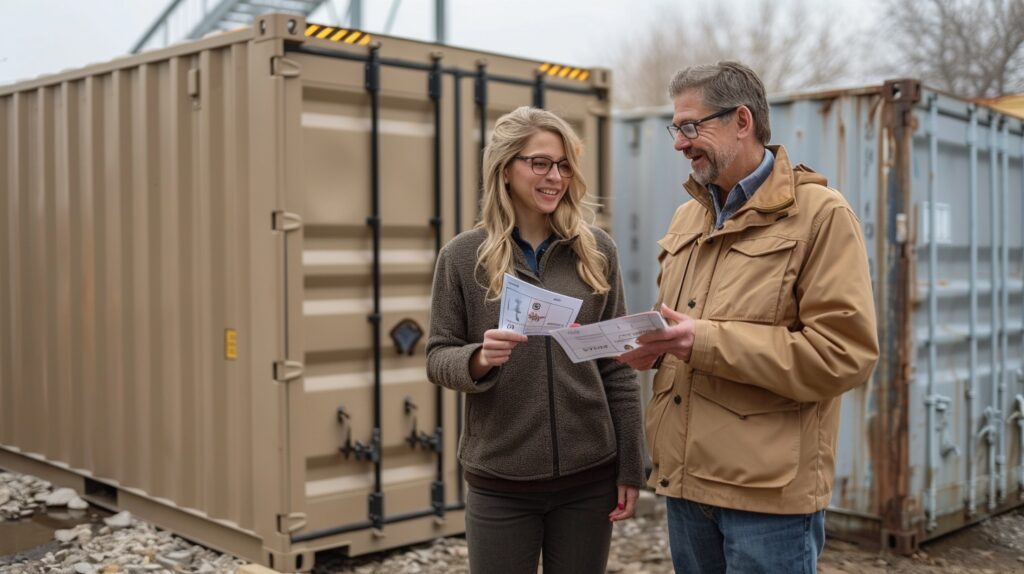
Investing in a shipping container offers a versatile solution for various needs, from secure storage to unique building projects and efficient goods transport. For businesses seeking a reliable storage solution, shipping containers provide a robust, weather-resistant option that can safeguard valuable equipment or inventory. Thanks to their structural integrity and adaptability, those involved in creative construction projects find these containers ideal for creating modular, eco-friendly structures, from offices to homes. Additionally, for companies in the logistics sector, shipping containers are indispensable for transporting goods across distances with ease and efficiency. Their standardized sizes and durability make them a practical choice for moving products safely and securely domestically and internationally.
For secure storage solutions
Shipping containers stand out for their security and durability, perfect for storing valuable assets, equipment, or inventory. Their robust steel construction and weather-resistant properties ensure a safe, long-term storage solution. Ideal for securing everything from construction materials to agricultural products or retail inventory, these containers offer a reliable fortress against theft, adverse weather, and deterioration.
- Agriculture: Farmers use shipping containers to store grain, feed, and machinery, protecting them from the elements and pests.
- Construction: On construction sites, containers serve as secure storage for expensive tools and equipment, mitigating theft and damage risks.
For unique building projects
The modular and sturdy framework of shipping containers has ignited an architectural revolution, paving the way for their use in innovative building projects. Shipping containers provide a sustainable, cost-efficient building material alternative, from constructing eco-friendly homes and offices to setting up pop-up shops and cafes. Their flexibility in design allows for creative architectural expressions while maintaining structural integrity.
- Community Centers: In London, the Pop Brixton project utilizes shipping containers to house local businesses, creating a vibrant community space.
- Boutique Hotels: Examples include the Hougoumont Hotel in Australia, where shipping containers offer a unique, luxury accommodation experience.
For efficient goods transport
In the logistics industry, shipping containers are indispensable, serving as the foundation of international trade and enabling the efficient transport of goods worldwide. Their standardized dimensions facilitate easy handling and stacking, maximizing cargo space on ships, trains, and trucks. This uniformity ensures that products are moved securely and cost-effectively and minimizes the risk of damage during transit, thus optimizing the supply chain process.
- Case Study: Maersk Line, a global shipping company, has reported significant improvements in shipping times and cost savings by optimizing container usage, contributing to a more sustainable and efficient global trade system.
- Environmental Benefits: Using shipping containers in logistics has also been linked to reduced carbon emissions, as their efficiency and reusability contribute to fewer trips and lower fuel consumption.
Types of shipping containers
The diversity in shipping container types caters to various needs and applications, from primary storage and transport to specialized requirements. The most common are the standard 20 and 40-foot containers, which serve as the industry staples for general cargo. High-cube containers offer additional vertical space for those needing extra height, making them perfect for taller items or more voluminous cargo. Refrigerated containers, or reefers, play a crucial role in transporting temperature-sensitive goods, ensuring the preservation of perishable items over long distances. Each type is meticulously designed with specific purposes in mind, guaranteeing that there’s a container that precisely fits the requirement, whether it’s for traditional shipping, innovative construction, or secure storage.
| Container Type | Dimensions (LxWxH) | Typical Use Cases | Advantages | Limitations | Real-World Applications |
|---|---|---|---|---|---|
| Standard 20-foot | 20’x8’x8.5′ | General cargo, Small-scale construction | Versatile, Common | Limited height | Ideal for small retail spaces, compact homes |
| Standard 40-foot | 40’x8’x8.5′ | Bulk goods, Large equipment, Modular construction | High capacity | Difficult to move | Used in constructing classroom spaces, large homes |
| High-cube | 40’x8’x9.5′ | Taller cargo, Modular buildings, Creative projects | Extra height | More expensive | Essential in two-story building designs, automotive parts transport |
| Refrigerated (Reefer) | 20′ and 40′ options | Perishable goods, Pharmaceuticals, International food transport | Temperature control | Higher maintenance, Energy-dependent | Critical for global trade routes of exotic fruits, life-saving medicines |
Standard 20 and 40-foot containers
The standard 20 and 40-foot containers are the pillars of global commerce, engineered to accommodate a broad spectrum of general cargo needs. Their uniform dimensions facilitate the efficient transport of goods, ensuring optimal stacking and handling across various modes of transport. These containers embody versatility and functionality, serving as the go-to choice for shipping everything from manufactured products to bulk materials. They are particularly beneficial in modular construction projects, where their dimensions can be easily integrated into building designs.
High-cube containers for extra height
High-cube containers offer an invaluable advantage with their height, providing an extra foot compared to standard containers. This increased vertical space is indispensable for transporting taller goods or for applications requiring a larger volume without an expanded footprint. Industries such as automotive parts manufacturing greatly benefit from the extra height, allowing for the secure transport of larger components. Moreover, the creative sector utilizes high-cube containers for innovative construction projects, including two-story designs that demand more vertical space.
Refrigerated containers for temperature-sensitive goods
Refrigerated containers, or reefers, play a critical role in the global logistics of temperature-sensitive goods. Outfitted with sophisticated refrigeration systems, these containers guarantee that perishable items such as foodstuffs, pharmaceuticals, and specific chemicals are kept at precise temperatures throughout transit. The pharmaceutical industry relies heavily on reefers for transporting life-saving medicines across vast distances, ensuring they remain effective upon arrival. Similarly, the global food trade utilizes refrigerated containers to maintain the quality and safety of exotic fruits and perishable products, connecting producers and consumers worldwide.
Key factors to consider
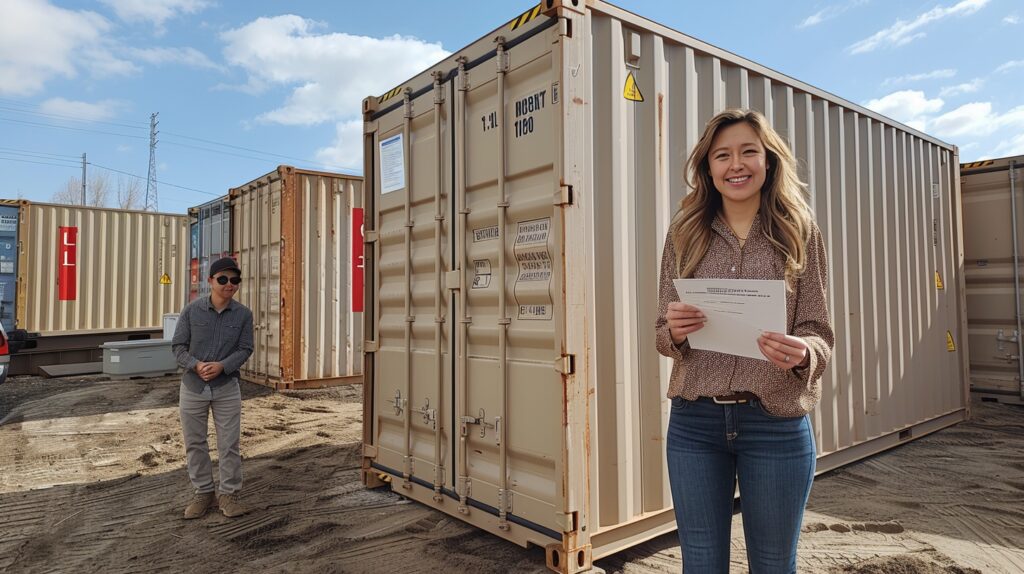
Several key factors must be meticulously assessed when choosing a shipping container to ensure they align with your specific requirements. Size and capacity are critical, as they dictate the volume of goods that can be accommodated for storage or transportation. The condition of the container is a direct indicator of its longevity and appropriateness for your project, with new containers offering enduring durability and used ones presenting opportunities for cost savings. The material of the container, be it steel for its robustness and durability or aluminum for a lighter construct, should be selected based on the usage and handling demands. Moreover, navigating the legal considerations and ensuring compliance with zoning laws and building permits is essential, particularly for those embarking on construction ventures. These considerations are pivotal in guiding your selection process, ensuring the chosen container serves its intended function effectively.
Size and capacity needs
Choosing the correct size and capacity is essential for optimizing efficiency and effectively fulfilling your storage or transport needs. Whether it’s a 20-foot or 40-foot container or perhaps a high cube for additional height, the decision should be informed by the volume of goods you intend to store or transport, ensuring an ideal balance between space and cost.
| Factor | Case Study/Scenario | Impact on Cost-Efficiency and Operational Effectiveness |
|---|---|---|
| Size and Capacity | A logistics company transitioning from 20-foot to 40-foot containers for international shipping. | Increased cargo volume per shipment led to a 20% reduction in shipping costs and improved delivery times. |
Condition and longevity
The condition of a shipping container directly impacts its longevity and functional viability. Opting for new containers offers a guarantee of condition and a longer lifespan, representing a sound investment for sustained use. Conversely, used containers can provide considerable cost savings, though they necessitate a thorough inspection to confirm their suitability in terms of durability and operational efficiency.
| Factor | Insights/Advice | Example |
|---|---|---|
| Condition and Longevity | Assessing for insulation properties in container homes. | A used container with minor corrosion might be cost-effective but could require additional insulation, affecting long-term sustainability and comfort. |
Material based on usage.
Selecting the material of your shipping container should be a decision grounded in its intended use. The choice between different materials affects the container’s performance attributes, such as durability and weight, influencing its suitability for specific applications.
| Material | Scenario | Outcome |
|---|---|---|
| Steel vs. Aluminum | Choosing between steel and aluminum for a mobile office project. | Steel was selected for its durability in harsh weather conditions, ensuring the longevity of the mobile office despite a slightly higher initial cost. Aluminum was considered for its lighter weight, which would have been beneficial for frequent relocation, but the need for durability was paramount. |
Steel for durability
Steel containers are celebrated for their exceptional durability and robustness, making them the preferred option for a broad range of shipping and storage applications. Their sturdy build allows them to endure adverse conditions, ensuring the secure protection of your goods.
Aluminum for lighter-weight
Aluminum containers provide a lighter-weight solution, facilitating more accessible transport and maneuverability. Although they may not rival the durability of steel, their reduced weight offers advantages in terms of fuel efficiency and handling, particularly for specific cargo types and transport scenarios.
Incorporating these detailed considerations into the selection process helps ensure that the chosen shipping container meets both immediate needs and long-term objectives, maximizing the value of the investment.
Inspection tips for quality assurance
Ensuring the quality of a shipping container before making a purchase is vital in protecting your investment. A detailed inspection can uncover potential issues impacting the container’s functionality and longevity. Focus on identifying signs of rust and corrosion, which can weaken structural integrity; assess door functionality and seal integrity, vital for ensuring security and resistance against weather; and inspect for holes or structural damages that could expose the contents to environmental hazards. By meticulously examining these areas, buyers can secure a container that meets their expectations regarding durability, security, and overall condition, offering their investment peace of mind and value.
Check for rust and corrosion signs.
When evaluating a shipping container, prioritizing the inspection for signs of rust and corrosion is essential. These conditions can drastically undermine the container’s structural integrity and its lifespan.
Tips for Identifying Early Signs of Rust:
- Inspect areas where water is likely to collect or where paint is chipped, as these are prime spots for rust initiation.
- Look for discoloration or streaks on the container’s walls and roof, which may indicate early rust formation.
- Use a flashlight to examine the interior corners and seams for hidden rust spots.
Maintenance Tips to Prolong Container Life:
- Apply rust-inhibiting paint to areas showing early signs of rust.
- Ensure proper drainage around the container to prevent water accumulation.
- Regularly inspect and maintain the container’s paint and sealant to protect against the elements.
Ensure doors and seals function properly.
The functionality of doors and seals is critical for maintaining the container’s security and weather resistance.
Checklist for Testing Door Functionality and Seal Integrity:
- Open and close the doors several times to check for smooth operation without resistance.
- Inspect the door hinges and locking mechanisms for signs of wear or damage.
- Examine the rubber seals around the door for cracks, brittleness, or gaps that could allow water ingress.
- Perform a light test by closing the doors in daylight and looking for any light entering through the seals, indicating potential leaks.
Inspect for holes and structural damages.
A comprehensive inspection must include looking for holes and structural damages.
Tools and Methods for Thorough Inspection:
- Use a bright flashlight or LED lamp to illuminate the container’s interior, carefully inspecting the ceiling, walls, and floor for pinholes or cracks.
- For suspected areas, perform a water test by spraying the exterior while someone observes inside for any water entry.
- Consider using a drone equipped with a camera to inspect the container’s roof, which can be difficult to access, for any signs of damage or rust that could lead to leaks.

Legal considerations and compliance
Navigating the legal landscape is essential when acquiring and using a shipping container. Depending on its intended application—for storage, transport, or as part of a construction project—compliance with local zoning laws and obtaining the necessary building permits are crucial. These regulations vary widely across different jurisdictions, influencing how and where a container can be utilized. For projects that involve construction, understanding the permitting process and adhering to specific building codes is vital to ensure the project advances without legal hurdles. Ensuring legal compliance not only helps avoid potential fines and legal complications but also ensures that the use of the container meets safety and environmental standards, safeguarding your investment and the community’s well-being.
Zoning laws for storage or building
Navigating zoning laws is crucial when utilizing a shipping container for storage or integration into a building project. These regulations dictate the permissible locations and uses for containers, and they can vary greatly from one area to another. Before acquisition, it’s essential to thoroughly research and adhere to the zoning regulations specific to your locality. This ensures that your container usage fully complies with local ordinances, preventing potential legal complications and facilitating a smoother project execution.
Common Zoning Challenges and Strategies:
- Residential Areas: Some zones may restrict the use of shipping containers as permanent structures. Strategy: Seek variances or special permits by demonstrating how the container will be aesthetically integrated into the environment.
- Commercial Use: Restrictions on the placement of containers in commercial areas, especially for storefronts. Strategy: Present plans that comply with local aesthetic and safety standards, possibly including landscaping or façade improvements.
Building permits for construction projects.
Obtaining the appropriate building permits is vital for those leveraging shipping containers in construction projects. These permits represent official authorization from local authorities, confirming that your project complies with all relevant building codes and safety standards. The process to secure these permits can differ based on locality, making early engagement with local planning departments a wise move. Doing so accelerates the project timeline and safeguards against legal and financial obstacles, ensuring your construction meets all necessary standards and regulations.
Step-by-Step Guide for Obtaining Building Permits:
- Pre-Consultation: Before submitting any formal application, consult with local planning and building departments to understand specific requirements and potential challenges.
- Documentation: Prepare detailed project plans, including architectural drawings, site plans, and how the containers will be used and modified.
- Application Submission: Apply along with all required documentation and fees to the local building department.
- Review Process: The application will undergo a review process, during which additional information or modifications to the plans may be requested.
- Inspections: Once the permit is granted, expect periodic inspections by local authorities to ensure compliance with the approved plans and building codes.
- Final Approval: After successful inspections and project completion, a final approval is issued, officially allowing occupancy or use.
Common Pitfalls to Avoid:
- Underestimating Local Resistance: Engage with the community early to address concerns and incorporate feedback.
- Ignoring Aesthetic Considerations: Develop plans that enhance the visual appeal of the container, making it more likely to gain approval.
- Lack of Professional Guidance: Consider hiring professionals experienced in container projects and local regulations to navigate the permitting process effectively.
Where to buy shipping containers
Finding the right source to purchase a shipping container involves weighing various options to match your needs and budget. Local dealers, online marketplaces, and auctions each offer unique advantages and potential challenges, making it crucial to consider them carefully based on your project’s unique requirements and personal preferences.
Local dealers for viewing before purchase
Local dealers are a prime choice for those who prefer to inspect shipping containers in person before purchasing. This direct approach allows you to assess the container’s physical condition, including its structure, paintwork, and seals, ensuring it aligns with your needs. Engaging with a local dealer also facilitates immediate negotiations, potentially leading to more favorable terms based on the container’s actual state.
Questions to Ask and Things to Look For:
- History and Usage: Ask about the container’s previous use and check for signs of significant wear or damage.
- Certification: Inquire if the container is cargo-worthy or certified for specific uses.
- Modifications: Determine if any modifications have been made and inspect the quality of these changes.
- Delivery Options: Discuss delivery options and costs, ensuring they align with your budget and timeline.
Online marketplaces for a wider selection
Online marketplaces open the door to a broad selection of shipping containers from sellers across the globe, significantly expanding your options. These platforms can offer competitive pricing and detailed descriptions, though they necessitate a diligent vetting of sellers to avoid potential pitfalls.
Reputable Online Platforms:
- Container xChange: Offers a wide range of containers for sale and lease, focusing on facilitating secure transactions.
- eBay: Provides a diverse selection of containers but requires careful vetting of seller ratings and reviews.
- Craigslist: Can offer local deals but demands caution and due diligence in verifying sellers and inspecting containers.
Tips for Vetting Sellers:
- Check Reviews: Look for sellers with positive feedback and a history of successful transactions.
- Ask for Documentation: Request photos, certifications, and any relevant documents related to the container’s condition and history.
- Secure Payment: Use secure payment methods and platforms that offer buyer protection.
Auctions for potential bargains
Auctions present an opportunity to secure shipping containers at potentially lower prices, appealing particularly to those in search of used options. However, purchasing at auction can be a gamble, with limited guarantees regarding the container’s past use and current condition.
Advice on Preparing for an Auction:
- Set a Budget: Determine your maximum spend, including potential delivery costs, to avoid overspending.
- Understand Auction Terms: Familiarize yourself with the auction’s terms and conditions, including any buyer’s fees or requirements.
- Inspect Containers: If possible, inspect the containers in person before the auction to assess their condition and suitability for your needs.
- Research: Look into the auction history and typical container prices to ensure you get a good deal.
By carefully considering these options and preparing accordingly, you can enhance your confidence in making an informed decision and secure a shipping container that meets your requirements, offering the best value for your investment.
Price range and budgeting effectively
The price range for shipping containers can vary significantly, influenced by size, condition, and market demand. New containers are typically at the higher end of the pricing spectrum, offering long-term durability and reliability for those prepared to invest more initially. Conversely, used containers represent a more cost-effective option, though they necessitate thorough inspection to ensure they meet your requirements without incurring future costs. When budgeting for your container purchase, it’s essential to factor in delivery costs and any logistics planning necessary for transporting the container to its destination. Effective budgeting requires a holistic view, considering the initial purchase price and additional expenses, to ensure the total cost is within your financial means and aligns with your project goals. This comprehensive approach helps prevent unexpected costs and facilitates a smooth acquisition process.
New vs. used price comparison
When deciding between purchasing a new or used shipping container, weighing the initial cost against long-term value is crucial. New containers come with a higher price tag but offer the advantage of being in pristine condition and having a longer lifespan, representing a solid investment for long-term projects. Conversely, used containers can provide significant cost savings upfront, though potential expenses for repairs or modifications should be considered. This comparison necessitates a thoughtful analysis of your budget constraints and project requirements to ascertain which option delivers the most cost-effective solution for your needs.
Delivery costs and logistics planning
Delivery costs constitute a considerable portion of the total expense of acquiring a shipping container. These costs can fluctuate significantly based on the container’s origin relative to your location and the chosen transportation method. Furthermore, effective logistics planning is paramount for the container’s seamless delivery, particularly if specialized equipment or specific arrangements are required for its placement. Proactively addressing these logistics and incorporating them into your budget can mitigate unforeseen expenses and logistical hurdles, streamlining the acquisition and deployment of your shipping container.