
Discover Your Options for High Cube Shipping Containers for Sale
Embarking on the journey to purchase a high-cube shipping container can unlock many opportunities for cargo transportation, storage, or innovative construction projects.
These 40 ft HC containers bolster an impressive volume and come with customization options ranging from ventilation to window shutters.
With a landscape spanning from Cincinnati to Salt Lake City, finding the correct container involves assessing features, sizing, and whether to choose new or pre-owned units.
Keep reading to navigate the complex terrain of high cube shipping containers for sale and make an informed decision that aligns with your goals.
Key Takeaways
- High Cube Shipping Containers Offer Versatile Storage and Cargo Solutions With Increased Height and Volume
- Customization Options for High Cube Containers Range From Structural Alterations to Accessory Additions, Adapting to Personal or Commercial Needs
- Selecting the Right High Cube Container Requires Consideration of Size, Weight Capacity, Durability, and Local Zoning Laws
- Financial Planning for a High Cube Container Purchase Involves Evaluating Payment Options, Assessing Financing Avenues, and Negotiating Terms
- Both New and Used High Cube Containers Have Their Benefits and Trade-Offs, With New Units Offering Warranties and Used Units Presenting Cost Savings
Essential Features to Look for in High Cube Containers

Embarking on the quest to purchase a high-cube shipping container can leave you awash in a sea of specifications and features.
As you browse the inventory for 40 ft HC containers for sale, it’s vital to anchor your search in a foundational understanding of the dimensions that render these units so versatile for cargo, storage, or even construction projects in cities from Cincinnati to Salt Lake City.
Quality construction materials ensure longevity against the harsh caresses of sea and weather, while the resilience provided by comprehensive weather resistance adds an essential layer of durability.
The diversity of indoor types and their locking mechanisms also demand your attention, as security hinges upon these details.
Delve into the various flooring options available – from traditional plywood to advanced composites – and recognize the importance of ventilation and insulation, especially if a refrigerated container for Minneapolis’s chilly climes or a ventilated space for Baltimore’s humidity is on your checklist.
Let’s guide you through these pivotal elements, ensuring your investment in a high cube container aligns perfectly with your needs.
Understanding the Dimensions of High Cube Containers
When you set out to choose a 40 ft HC container for sale, familiarizing yourself with its spatial attributes is essential. High cube containers boast an additional foot in height compared to standard containers, bringing the overall height to a generous 9 feet 6 inches, which equates to increased volume for your cargo or project needs.
The remarkable length of 40 feet and standard width ensure you can accommodate a wide array of items within its steel walls. Factors in the necessity for transporting goods between locations like Cleveland and Indianapolis or leveraging their durability for static storage and understanding these dimensions become helpful and fundamental.
| Feature | High Cube Container Measurements |
|---|---|
| External Length | 40 ft |
| External Width | 8 ft |
| External Height | 9 ft 6 in |
| Internal Volume | 2,694 cu ft |
| Tare Weight | Approx. 8,750 lbs |
Identifying Quality Construction Materials
When you’re perusing the market for high-cube shipping containers for sale, the material’s resilience against degradation is a pivotal factor. You’ll want a container made of corrosion-resistant Corten steel, ensuring the frame withstands the multi-faceted challenges posed by weather and time, be it in the bustling ports of Baltimore or the brisk winds of Minneapolis.
Survey the container’s floor with equal scrutiny; it should be robust and capable of upholding substantial weight without yielding. Quality containers often feature sturdy, treated plywood floors that reside over steel cross-members, designed to easily bear the heavy burden of forklifts maneuvering your precious cargo.
Weather Resistance and Durability Checks
Turn your eye towards the roof and walls: they should present an unyielding barrier against the elements. A high cube container worthy of consideration comes equipped with a robust roof and wall panels that are reinforced to prevent water ingress, safeguarding the contents from the severity of Detroit’s downpours to Cincinnati’s sun.
Examine the container for a valid warranty; this is a clear indicator of confidence from the seller regarding durability. Ensure that the warranty terms of service are transparent, protecting your asset from unforeseen circumstances related to weather-induced wear and tear.
Door Type and Locking Mechanism Variations
As you scrutinize available high cube shipping containers, please pay close attention to the variations in door types and their locking mechanisms: These are not mere details but rather pivotal security features that safeguard your contents. From Salt Lake City’s industrial districts to Cincinnati’s bustling shipping hubs, the type of door can significantly impact your container’s functionality, whether it’s the full-side access doors for ease of loading large items or the secure double doors that protect against unauthorized access.
Scrutinize the locking mechanisms; their strength and reliability should offer peace of mind. A robust lockbox protects the padlock from tampering, an essential consideration if your container will journey through various transit points like Cleveland or Detroit or reside in remote job sites near Indianapolis or Minneapolis.
- Assess door types: consider your access requirements and cargo dimensions.
- Locking mechanisms: prioritize security features such as lockboxes for enhanced safety.
- Adaptability: aim for container doors that accommodate your specific loading, unloading, and security needs.
Flooring Options Available for High Cube Units
When deciding on a 40 ft HC container for sale, do not overlook the flooring—it’s not just a surface; it’s the foundation of your container’s interior. Opt for flooring that bears the grunt of heavy-duty loading and unloading and is strong enough to take on the weight of your cargo without flinching, whether that’s steel-framed plywood for a solid stance or a more specialized coating that resists wear and simplifies maintenance.
Remember that your choice should reflect the nature of your usage; if transporting goods to places like Detroit or Salt Lake City, where conditions may lead to corrosion, consider a floor that’s been treated for enhanced durability. Likewise, if you insert containers into a construction setting in areas like Cleveland or Indianapolis, aim for a heavy-duty floor that can handle equipment stress, such as forklift arcs and the constant movement of carts and trucks.
Importance of Ventilation and Insulation
Regulating the internal atmosphere of your container, especially when transporting sensitive merchandise or creating a modified living space, is imperative. A well-ventilated unit ensures continuous air exchange, mitigating condensation buildup and protecting against moisture-induced damage, a crucial consideration when shipping through diverse climates like Baltimore or Minneapolis.
Equally important is the inclusion of insulation, specifically if you require a controlled environment for your cargo. For instance, integrating spray foam insulation within the walls and roof can provide exceptional temperature management for perishable items, acting as a safeguard during transit through variable weather conditions from Cincinnati to Salt Lake City.
Now that you’re equipped with the must-have features of high cube containers, let’s shift gears. Next, we’ll explore the pros and cons of new versus used high-cube shipping containers—a decision that can make a difference.
Comparing New vs. Used High Cube Shipping Containers

As you weigh your options between the gleaming promise of a brand-new high cube container and the storied walls of a pre-owned unit, key factors will steer your decision-making process.
Understandably, the allure of a fresh, pristine container with untouched surfaces and a full warranty is enticing, but don’t underestimate the value that used high cube units bring to the table, often presenting substantial cost savings without compromising functionality.
Consider the longevity and the peace of mind afforded by a warranty, balanced with the immediate availability and potential for quicker delivery that comes with sourcing from existing inventory.
Moreover, ponder upon the customization potential that both new and used containers offer, allowing you to tailor the space to your exact requirements for intricate shipping needs, innovative storage solutions, or ambitious construction projects.
This exploration will bring insight into the benefits and trade-offs, equipping you with the knowledge to make an informed choice that aligns with your needs and preferences.
Benefits of Buying New High Cube Containers
Choosing a new high cube container presents an untouched canvas primed for customization. With the pristine condition comes the assurance of no prior wear, presenting a seamless start for your project, whether in transportation, storage solutions, or inventive construction applications.
Investing in a new container also means leveraging a manufacturer’s warranty; offering added security and recourse should any issues arise. This warranty is a testament to the container’s integrity, ensuring you can trust its performance from Cleveland’s bustling streets to the serene outskirts of Salt Lake City.
Evaluating the Condition of Used High Cube Units
Stepping into used high cube units warrants a meticulous inspection to gauge their condition. You’ll want to check for signs of wear, such as dents or rust, particularly around high-stress areas like corner posts and door frames, which may betray the container’s history and fitness for your use in cities like Indianapolis or Cleveland.
Request the unit’s age and maintenance records – incredibly insightful details, as they allow you to evaluate previous exposure to harsh environments or heavy loads. A container’s past can heavily influence its future performance, so knowing its history before it becomes part of your fleet, project, or storage arsenal in Denver or Baltimore is imperative.
Cost Analysis: New vs. Used High Cube Options
Assessing the price points between new and used high cube containers is key: New containers often come with a higher upfront cost but benefit from the latest features and full warranties, offering a sense of security and longevity for your investment. Used units, conversely, may provide appealing savings, which can be significant for your budget, especially when multiple containers are in question.
Remember the long-term implications of initial savings versus the potential costs incurred through maintenance or retrofitting used containers in your cost-benefit analysis. Factor in the fee for delivery, which can vary based on your zip code, and ensure all payment policies are crystal clear before finalizing your acquisition.
| Consideration | New High Cube Container | Used High Cube Container |
|---|---|---|
| Price | Higher upfront cost | Lower initial investment |
| Features | Latest design, full warranty | Potential wear, limited or no warranty |
| Delivery Fee | Varies with location | Varies with location |
| Long-term Costs | Typically lower due to warranty and newer construction | Potentially higher due to maintenance and updates |
Longevity and Warranty Considerations
The lifespan of a high cube shipping container and its warranty are critical facets of your investment. As you navigate the array of options, you might discover that the newer models come with longer warranties, ensuring a more extended period during which your interests are shielded against the unforeseen.
In selecting between new and pre-owned containers, consider how the coverage of a warranty serves as your safety net. The reassurance that comes with warranty-backed containers reinforces their merit as a long-term asset, especially if your endeavors take you from the busy docks of Baltimore to the thriving markets of Indianapolis.
Availability and Quick Delivery Factors
Assessing the quickness of availability and delivery is fundamental when deciding between a new or used high-cube container. If your operation in Detroit or Minneapolis demands immediate expansion, the swifter turnaround times often associated with used containers might steer your selection.
Should your requirements be time-sensitive, reach out directly with your email address to check the vendor’s inventory status for locations ranging from Salt Lake City to Baltimore. Verify their delivery capabilities to ensure they can meet your schedule, making sure that the container arrives on the back of a truck or trailer without delay:
| Container Type | Availability | Delivery Speed |
|---|---|---|
| New High Cube Containers | Subject to Order and Stock Levels | Dependent on Manufacturing Lead Times |
| Used High Cube Containers | Often Readily Available | Typically Quicker, Based on Proximity to Stock |
Customization Potential for New and Used Containers
Customizing a new high-cube shipping container offers a flawless starting point, enabling you to tailor its interior and exterior according to your distinctive vision. Picking a new unit allows for modifications ranging from simple fixtures like window shutters to complex alterations without concerns about pre-existing damages or alterations.
Conversely, opting for used containers often presents a tapestry rich with history where past use need not impede creativity: With an eye for potential, you can convert even the most worn container into a rejuvenated space that meets your specifications. Used containers can be just as adaptable, offering a chance to infuse new life and purpose into the sturdy shell of prior use:
| Container Condition | Customization Ease | Considerations |
|---|---|---|
| New | Unlimited Flexibility | No previous wear, a blank canvas for modifications |
| Used | Varies with Condition | Prior wear may limit or inspire unique customization solutions |
Ready to elevate your storage or transport game? The towering possibilities of high-cube shipping containers await you! Let’s dive into tailoring the perfect fit for your lofty ambitions.
A Guide to Sizing Your High Cube Container Needs
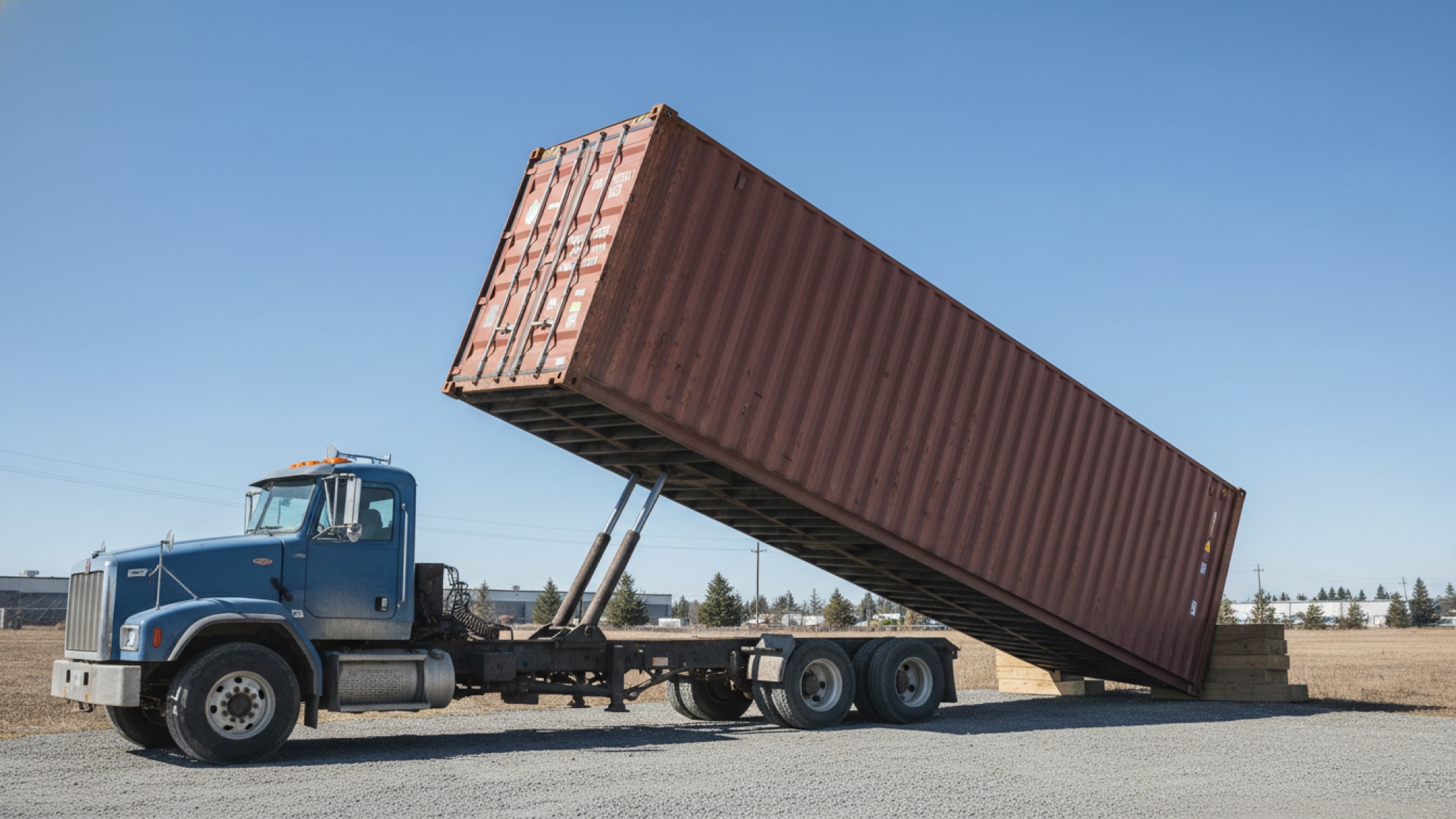
Embarking on selecting a high cube shipping container demands a discerning eye for detail and a practical grasp of your unique needs.
As you parse the marketplace for the optimal high cube container, space calculation becomes more than a mere number—it’s the blueprint for your storage ambitions or inventive modifications.
Grasping the weight capacity and the practicality of load requirements ensures that the logistics of your project remain seamless, whether the container’s destiny lies on-site or elsewhere.
Understanding local nuances, from zoning laws to height restrictions, can define the feasibility of your venture, inform your choice, and help you navigate regulatory landscapes.
This primer will walk you through the labyrinth of choices, from evaluating the pros and cons of prevalent container sizes to identifying the absolute fit for your project, ensuring every square foot of your high cube container is leveraged to its full potential.
Space Calculation for Storage or Modification
Approaching the selection of a high cube container means considering the immediate requirements and the potential for growth and change. Before you commit, evaluate the dimensions against your storage needs or the scope of modifications you envision – carving out office space within the sturdy metal confines or crafting a mobile retail unit ready to traverse bustling Cincinnati streets.
Always visualize your intended cargo or conversion plans within the container’s generous 40-foot length and soaring 9-foot-6-inch interior. This isn’t a step to gloss over; precision here ensures that when your container arrives – whether bound for the dynamic markets of Indianapolis or the ports of Baltimore – it’s ready to meet your business’s or project’s demands from day one.
Analyzing Weight Capacity and Load Requirements
Scrutinizing the weight capacity and load requirements of your chosen 40 ft HC container for sale should be a top priority. Ensure the container you select can sustain the weight of your goods without compromising structural integrity, whether packed with lightweight inventory or heavy machinery bound for destinations like Cleveland or Minneapolis.
Consider how load demands will interact with the container’s design, considering the need for durable flooring that can withstand repeated stress from carts, forklifts, and the shifting weight of cargo. Doing this protects your investment and guarantees safe transport to cities spanning Salt Lake City to Detroit.
Considerations for on-Site vs. Off-Site Use
Invest in its permanence when you deliberate over a high cube shipping container for on-site use. Consider the foundations: Ground preparation is essential to ensure stability and level placement, whether becoming an integral fixture on a construction site in Cleveland or a permanent storage unit in Salt Lake City.
For off-site applications, think foremost about mobility. Every detail, from the necessary trailer accommodations to the logistics of frequent relocation, must be carefully plotted, especially when the container is destined to journey between locales as varied as Minneapolis and Baltimore:
- Evaluate ground conditions and preparation needs for on-site stability.
- Ensure trailer compatibility and check transportation regulations for off-site mobility.
- Plan for relocation logistics, considering distances and frequency.
When using your unit onsite, be mindful of local zoning laws and height restrictions that may impact your setup.
Understanding Local Regulations and Restrictions
Embarking on your high cube shipping container journey necessitates more than selecting the right volume and weight capacity—you must also navigate the intricacies of municipal codes and zoning ordinances. For instance, businesses in bustling urban cores like Cincinnati may face different permit stipulations than those set in suburban areas of Indianapolis, requiring thorough research to avoid costly compliance missteps.
Before your container sets foot on your chosen site, whether it’s the industrial expanse of Baltimore or the commercial sprawls of Salt Lake City, ensure that all regulations, including height restrictions and property line setbacks, are met with unwavering precision. Such due diligence is pivotal, shielding you from obstructive legal hurdles that could otherwise delay or derail your container deployment plans.
Pros and Cons of Common High Cube Container Sizes
Assessing the standard sizes of high cube containers, you must balance the benefits they offer against the inherent limitations: A 40 ft HC container for sale affords substantial cargo volume, ideal for large-scale shipping or extensive modifications. Yet, the extensive length and height might constrain your placement options, particularly in urban settings with spatial restrictions.
On the contrary, more minor high cube variations offer greater flexibility in placement and can be easier to manage for businesses in constrained environments like inner-city Cleveland or the narrow streets of Baltimore. However, this advantage comes at the cost of reduced storage capacity, potentially necessitating additional containers or limiting the scope of your project.
| Container Size | Volume | Placement Flexibility | Storage Capacity |
|---|---|---|---|
| 40 ft High Cube | 2,694 cu ft | Lower | Extensive |
| Smaller High Cube Variants | Varies | Higher | Limited |
Selecting the Ideal High Cube Size for Your Project
Choosing the ideal high cube container size pivots on the nuance of your endeavor: Will it serve as a static warehouse on the periphery of Indianapolis or as a pop-up shop threading through the crowded boulevards of Baltimore? Your spatial constraints and the purview of your project chart the course of this critical decision.
Visualizing the future landscape of your container’s utilization is paramount: Does its role as a movable workshop in Salt Lake City demand a more compact design, or does its function as a voluminous storage facility in Cleveland necessitate maximum space? Align your choice with the strategic dimensions to propel your venture toward success.
| Project Requirement | Container Size Decision Factor |
|---|---|
| Urban Shop or Office | Opt for smaller variants that navigate tight spaces effortlessly. |
| Ample Storage Needs | Choose larger high cube containers for expansive volume. |
| Transportation Ease | Consider smaller sizes for greater mobility in diverse environments. |
| Extensive Modifications | Lean towards full-sized units for broad modification capabilities. |
Understanding the precise dimensions of a high cube container for your cargo is paramount. Let’s shift gears and pinpoint the best places to purchase these towering storage titans.
Navigate the Market: Where to Buy High Cube Containers

Embarking on the quest to find a high-cube shipping container necessitates a clear strategy for navigating the marketplace.
With options sprawling from virtual online marketplaces to more personal engagement with local dealers, identifying the right supplier requires a discerning approach.
Perhaps you’re considering auctions and sales events to snag a deal or leveraging industry connections for that insider scoop on lucrative offers.
Exploring government and military surplus sales may uncover hidden gems that align with your needs.
In this guide, you’ll secure the insights and guidance required for effective decision-making as you delve into the nuanced world of high-cube container acquisition.
Identifying Reputable High Cube Container Suppliers
In your search for a 40 ft HC container for sale, pinpointing suppliers with an established track record is paramount. Look for vendors who boast transparent customer reviews, clearly delineated privacy policies, and terms of service that articulate a commitment to customer satisfaction.
Direct your inquiry to providers who maintain an extensive inventory of new and used high-cube shipping containers, with an eye toward those offering competitive warranties. This ensures you’ll have a breadth of options and a safety net that protects your purchase, be it in the heart of Cincinnati or the outskirts of Detroit.
Online Marketplaces vs. Local Dealers: Pros and Cons
Exploring online marketplaces offers a sea of high cube shipping container listings, each promising competitive prices and convenience. However, tread carefully; the digital domain requires due diligence to avoid pitfalls such as misrepresented inventory or a lack of recourse if your container doesn’t meet expectations.
Conversely, engaging with local dealers in your quest for a 40 ft HC container for sale allows for hands-on inspection and personalized service. This personal interaction may translate into faster resolution of issues and the invaluable benefit of forging long-term business relationships:
| Purchase Option | Advantages | Disadvantages |
|---|---|---|
| Online Marketplaces | Wide selection, competitive pricing | Potential for misrepresentation, less personal recourse |
| Local Dealers | Physical inspection, personalized business relations | May have higher prices, limited inventory |
Attending Auctions and Sales Events for Bargains
Auctions and sales events can be a playground for the savvy seeker looking to secure a high cube shipping container without straining the wallet. These venues often feature competitive bidding on a wide range of containers, presenting a chance to snag a deal well below the typical market price.
Keep your ears to the ground for local sales events and industry auctions in metropolitan hubs like Cincinnati or coastal cities like Baltimore. The effort spent researching these opportunities often pays dividends, enabling you to access a spectrum of high-cube containers for sale, with the potential bonus of discovering units with unique specifications that perfectly serve your project.
Networking in Industry Groups for Insider Deals
Networking within industry groups unlocks doors to insider deals that could present substantial savings when searching for high-cube shipping containers for sale. These groups often exchange privileged information about upcoming sales, bulk purchase opportunities, or fleet disposals that are not yet public knowledge.
By cultivating relationships within these networks, you elevate your chances of accessing first-hand sales opportunities before they hit the broader market. Moreover, the shared insights from seasoned industry veterans can guide you to the most trustworthy sources and help negotiate better transaction terms:
| Sales Channel | Access to Deals | Insider Knowledge | Negotiation Leverage |
|---|---|---|---|
| Industry Networking Groups | Early access to exclusive offers | Tips from experienced members | Improved via direct contacts |
Exploring Government and Military Surplus Sales
Exploring government and military surplus sales can reveal a bevy of high-cube shipping containers previously employed in rigorous service. These events are ideal for unearthing sturdy containers maintained to meet demanding military standards, potentially offering you a robust option with a history of durability.
These sales often provide an economic advantage, as government and military surplus can be priced more attractively than commercial market rates. If you’re on the lookout for a cost-effective solution for your shipping or storage needs in cities such as Minneapolis or Cleveland, these surplus assets might just fit the bill:
- Seek out government or military surplus sales for high cube containers with a history of reliability.
- Assess the potential cost savings against container conditions, ensuring they align with your criteria.
- Consider the unique history of these containers as an added value to their sturdy construction and performance.
You’ve pinpointed the perfect spot to snag your high-cube shipping container. Let’s explore how to tailor it to fit your vision like a glove!
Customization Options for High Cube Shipping Containers

As you navigate the path to acquiring a high cube shipping container, the prospect of customization offers an exhilarating opportunity to mold raw potential into a tailored space that serves your every need.
Whether it’s the vision of transitioning a high cube unit into a bespoke home, infusing it with commercial vitality, outfitting it with specialized accessories, or undertaking structural transformations, the options are limited only by ingenuity and practical constraints.
Delve into a world where the high cube container becomes more than a mere vessel of transport—it transforms into a canvas for your creativity, with each modification amplifying its charm and utility.
In the following sections, we’ll explore how you can personalize, modify, and accessorize your high cube container, ensuring each step aligns perfectly with those essential considerations that safeguard structural integrity and conform to your intentions.
Opportunities for Personalizing Your High Cube Unit
Your journey towards personalizing a high cube shipping container begins with envisioning the transformative process: How will the container evolve to meet your unique needs? Whether you’re planning a cozy mobile residence, a functional office space, or a dynamic retail outlet, adapting your container is pivotal, offering endless possibilities for customization.
Set the stage for ingenuity; a high cube unit is your blank slate waiting to be adorned with many features and modifications. Infuse your style and purpose with selections like vibrant paint jobs, custom window installations, or unique insulation choices that reflect your vision and use case:
- Choose premium finishes and materials to elevate the container’s aesthetics.
- Incorporate advanced security enhancements to safeguard valuable content.
- Integrate eco-friendly add-ons like solar panels or rainwater collection systems.
Popular Modifications for High Cube Container Homes
Transforming a high cube container into a home means considering modifications that revolve around comfort and livability. Installing large windows and sliding glass doors pours natural light into your living space and extends your indoor area to the outside world. Think of the crisp air of Minneapolis sweeping through your abode or Cincinnati sunsets framing your dinner parties.
| Modification | Impact |
|---|---|
| Large Windows and Sliding Doors | Enhances natural light, promotes indoor-outdoor living |
| Custom Insulation Solutions | Optimizes temperature control for varying climates |
| Interior Drywall and Modern Fixtures | Creates a traditional home feel within a container |
Opting for custom insulation solutions tailored to your geographic location offers year-round comfort, keeping your container home warm amidst the biting cold of Salt Lake City or cool in the heat of Baltimore. Piecing together the interior with drywall, contemporary fixtures, and a thought-out floor plan crafts a traditional home atmosphere, proving a container’s metal walls are just the beginning of a sanctuary that’s uniquely yours.
Creative Ideas for High Cube Commercial Uses
Envisioning high-cube shipping containers in commercial settings ignites a spark of creativity. From coffee shops buzzing with energy in the heart of Minneapolis to chic pop-up stores along the vibrant streets of Cleveland, these steel structures offer the ideal foundation for various commercial endeavors.
Transform your high cube container into a mobile gallery showcasing local artistry in Cincinnati or a trendy boutique hotel room that could appear overnight in the bustling surroundings of Indianapolis. Let the container’s portability expand your business footprint, exploring markets and festivals beyond your usual zip code:
| High Cube Commercial Type | Feature | Benefit |
|---|---|---|
| Mobile Coffee Shop | Espresso machines, fold-out counters | Captures urban foot traffic, maximizes space utility |
| Pop-up Retail Space | Modular shelving, portable lighting | Quick setup, tailored shopping experiences |
| Art Gallery | Gallery-quality lighting, hanging systems | Highlights artwork, attracts clientele |
| Boutique Hotel Room | Luxury fittings, climate control | Offers unique lodging, enchants travelers |
Leverage the innate adaptability of high cube containers to spawn temporary office spaces perfect for startups in Salt Lake City, or capitalize on their robustness to create an experiential marketing hub that turns heads in Detroit. Your vision and strategic custom modifications pave the way for a commercial phenomenon encased in steel.
Accessorizing Your High Cube for Enhanced Functionality
Accessorizing your high cube container can dramatically enhance its functionality, tailoring it to your precise operational requirements. Whether you aim to streamline a mobile workspace in bustling Cincinnati or facilitate efficient storage handling in industrial Salt Lake City, accessories such as heavy-duty shelving, ramp systems for easy loading, and smart locking devices merge practicality with innovation. Each added feature is a step toward optimizing your container’s usefulness while fitting seamlessly into your day-to-day activities.
Your high cube container’s functionality escalates when outfitted with the right accessories for climate control or security monitoring, especially when stationed in diverse urban environments like Minneapolis or Cleveland. Consider incorporating advanced HVAC systems for temperature-sensitive cargo or installing surveillance cameras to oversee your container on remote job sites, ensuring that it performs to your highest expectations regardless of your high cube’s location or contents.
Essential Considerations for Structural Alterations
Embarking on structural alterations to your high cube shipping container requires careful contemplation of the container’s original engineering. As you envision transforming its steel contours for a custom workshop in Cincinnati or a unique living space in Salt Lake City, remember that every change must maintain the integrity of the container’s structure to ensure safety and durability.
Consult with structural experts before slicing through metal to add windows or doors, and strictly adhere to building codes that may influence design parameters in your locale. It’s imperative to secure the container’s robust framework, particularly if your modified high cube will face the rigors of Minneapolis winters or the bustling activity of a Cleveland construction site.
Discovering the customization options for high-cube shipping containers indeed sparks your imagination. Let’s keep the momentum going and explore how flexible financing and payment plans can bring your container dreams within reach.
Financing and Payment Plans for High Cube Containers

Securing a high-cube shipping container is an investment that warrants thorough financial planning – a blend of budgeting understanding and knowledge of the available payment avenues.
It’s essential to traverse the myriad of financing options designed to dovetail with your cash flow and project timeline.
Whether you’re leaning towards a lease-to-own agreement for flexibility or vetting loan opportunities with banks and lenders for a straightforward purchase, understanding each path’s nuances is crucial.
Equally important is comparing payment terms across sellers, ensuring transparency and reliability precede any transaction.
You’ll also gain leverage by arming yourself with strategies for negotiating favorable deals and optimizing your fiscal outline to seamlessly support your high cube container investment into your financial landscape.
Overview of Financing Options for Container Purchases
Exploring the financing options for high-cube shipping containers can be a journey in fiscal strategizing. Selecting the right payment plan could mean a smooth transaction and a logistical headache, especially when high-cube shipping containers are a significant part of your operational or project budget.
As you embark on this financial endeavor, consider the array of available purchase methods, from traditional upfront payments to installment plans that align with your cash flow. Lenders and financing companies often have a menu of options tailored to asset acquisitions like containers, enabling you to manage funds without stifling your liquidity:
- Evaluate leasing options for short-term flexibility or rent-to-own plans for eventual ownership.
- Compare loan offerings from banks and niche financial institutions focused on equipment purchase.
- Investigate seller financing arrangements that may offer competitive rates and terms directly.
Understanding Lease-to-Own Agreements
Delving into lease-to-own agreements for high-cube shipping containers empowers you with the flexibility to use a container immediately while spreading the cost over time. This path is particularly beneficial if your business in Detroit or Cleveland requires the functionality of a container without a large initial expenditure, enabling you to allocate resources elsewhere as you gradually assume ownership.
Under a lease-to-own arrangement, your payments contribute to your immediate operational needs in cities like Minneapolis or Salt Lake City and invest in your future asset acquisition. As each installment is made, you inch closer to claiming the container as your own, a strategic move that blends expense management with the accrual of valuable capital for your enterprise.
Exploring Loan Possibilities With Banks and Lenders
Investigating the financing options provided by banks and specialized lenders can unveil pathways that resonate with your purchasing strategy for high-cube shipping containers. These institutions cater to business investments, offering loan programs with varying terms and interest rates that accommodate your budget while enabling you to acquire the container your business urgently requires in cities like Indianapolis or Baltimore.
Engaging with these financial entities allows you to draw on tailored loan solutions that support your acquisition of high-cube containers for sale. Professional advisors stand ready to guide you through loan applications, ensuring you secure competitive financing that aligns with your project’s scope for expansive cargo needs or innovative construction projects.
Comparing Payment Terms Among Different Sellers
When faced with many sellers offering high cube shipping containers, assess the payment terms keenly – it’s not just about the sticker price. Confirm the presence of any additional fees or charges that could surface post-transaction, and ensure their payment policies are clear, concise, and without unwelcome surprises that could strain your financial planning.
It’s imperative to establish whether the seller in question, be they situated in bustling hubs like Cincinnati or quiet corners of Cleveland, offers payment flexibility that meshes your fiscal timelines. Questions about down payments, installment options, and acceptable payment methods should be at the forefront of your dialogue to guarantee a smooth purchase conducive to your budgetary constraints.
Tips for Negotiating the Best Deal on Your Container
Embarking on negotiations for your high cube container purchase begins with comprehensive market research: Knowledge is power when it comes to haggling. Arm yourself with current rates and offers from various suppliers in places like Indianapolis or Minneapolis to establish a baseline for a fair price, giving you a solid ground for discussion.
Asserting your needs clearly and confidently can tip the scales in your favor, especially when sellers know you’re exploring multiple avenues. Clarify your intent, whether buying various units for a Cleveland construction site or a single container for Detroit storage needs, to unlock bulk discounts or other potential incentives from the vendor.
- Gather detailed market pricing information for leverage.
- Communicate your usage intentions to explore potential discounts.
- Indicate your consideration of various sellers to foster competitive offers.
Budget Planning for Your High Cube Container Investment
In strategizing for a high cube container purchase, setting a realistic budget encompassing all ancillary costs is a strategic move. This includes forecasting potential delivery charges, customization fees, and any upkeep expenses unique to your usage — a crucial step to ensure your venture in Cleveland, Minneapolis, or wherever it may unfold is grounded in financial forethought.
Your budget must also reflect the flexibility to adapt to market fluctuations or incidental costs that could arise during the ownership journey. As you embark on this investment, keeping reserves for unexpected scenarios, such as modifications dictated by evolving needs or unplanned relocations, positions you to navigate your container venture with financial astuteness and assurance.
Conclusion
In conclusion, when searching for high-cube shipping containers for sale, it’s crucial to consider many factors to ensure the container fits your needs.
From understanding critical dimensions and quality materials to evaluating durability, door security, and flooring options, each element plays a pivotal role in the container’s performance, whether for storage, transport, or innovative construction projects.
The choice between new and used containers also depends on cost, warranty, availability, and customization potential.
Understanding local regulations, weight capacities, and container sizes ensures your high cube container aligns with legal requirements and functional necessities.
Furthermore, diving into the market reveals various purchasing avenues, from online marketplaces to local dealers, auctions, and government surplus sales, offering unique opportunities and challenges.
Customization options can transform these containers into personalized and functional spaces.
Finally, exploring financing options, comparing payment terms, negotiating effectively, and carefully budgeting are all essential to a successful high-cube container acquisition.
These components help you discover the most fitting container option, optimizing your investment to its greatest potential.