
A Comprehensive Guide to Refrigerated Shipping Containers on the Market
In a world where the freshness of products is as vital as the products themselves, refrigerated shipping containers—also known as reefers—have become an indispensable part of the global supply chain.
These containers are the unsung heroes in ensuring that everything from perishable food to pharmaceuticals arrives in peak condition, safeguarding quality and extending shelf life.
Equipped with advanced cooling systems, they utilize intricate technology to maintain precise temperature and humidity levels, crucial for safely transporting temperature-sensitive cargo.
Whether you’re invested in the agriculture industry or the pharmaceutical sector, understanding the intricacies of these containers is key to optimizing logistics and safeguarding inventory.
Keep reading to explore a world where steel merges with sophisticated machine precision, ensuring your goods weather the journey every time.
Key Takeaways
- Refrigerated Containers Are Essential for Preserving Perishables Across the Global Supply Chain, With Advancements in Technology Enhancing Their Efficiency and Sustainability
- The Size and Technological Features of Reefers Are Critical in Meeting the Specific Needs of Different Cargoes, Impacting Cost and Environmental Footprint
- Regular Maintenance and Adherence to Safety Standards Are Imperative for the Integrity of Refrigerated Shipping Containers and the Quality of the Cargo Within
- Acquiring a Reefer Involves Weighing the Benefits of Ownership Versus Leasing, Considering Long-Term Financial Outcomes and Operational Flexibility
- Emerging IoT and Smart Technologies in Refrigerated Container Systems Are Set to Further Revolutionize the Cold Chain Industry With Improved Monitoring and Energy Efficiency
Unveiling the Essentials of Refrigerated Shipping Containers
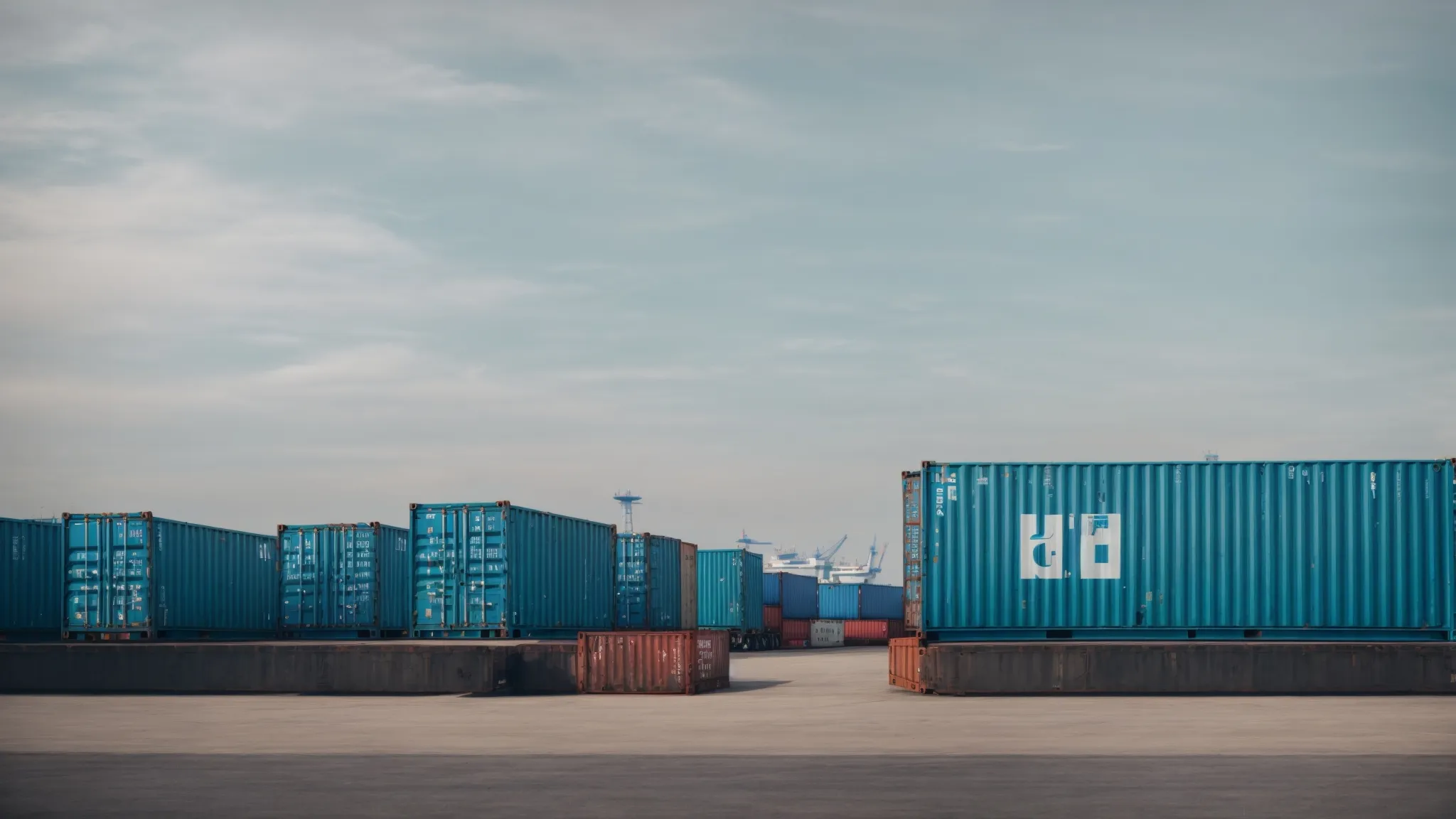
Welcome to the intricate world of refrigerated shipping containers, also known as reefers in the logistics and shipping industries.
Clad in weathering steel and stainless steel, these containers are the unsung heroes, ensuring your fresh produce, dairy, meat, and pharmaceuticals maintain their intended shelf life.
As a global supply chain stakeholder, you might recognize these specialized units as pivotal assets in maintaining the cold chain from manufacturer to market.
But have you ever paused to ponder the key features that set these technological marvels apart from standard shipping containers?
With an eye on the latest advancements like the sophisticated Thermo King refrigeration units, let’s embark on a journey to dissect the role of insulation, the innovations in refrigeration, and how these elements have evolved to meet the changing demands of cargo transportation.
Delving deeper into their design and functionality will enrich your understanding and prove invaluable in making informed decisions for your logistics needs.
Defining Refrigerated Containers and Their Uses
Imagine a mighty vessel traversing the globe, its belly laden with a treasure trove of perishables—this is the realm of refrigerated containers, also commonly referred to as reefers. These units, meticulously crafted with advanced materials like weathering steel and corrosion-resistant stainless steel, are instrumental in transporting temperature-sensitive goods such as fresh fruits, meat, dairy products, and even critical pharmaceuticals across vast seas and through volatile climates, ensuring they arrive in pristine condition.
Reefers play a critical role within the supply chain, providing the essential controlled environment that your products demand, with features ranging from regulated humidity to precise temperature settings. Whether it’s safeguarding the potency of life-saving vaccines for the pharmaceutical industry or maintaining the freshness of agricultural bounty, these containers empower you to meet the stringent standards of quality and safety, facilitating international trade and bolstering the efficiency of maritime logistics.
Key Features and Technologies in Modern Reefers
At the heart of a modern reefer lies the sophisticated refrigeration unit—innovations like the Thermo King systems that ensure a consistent internal climate. Precision in cooling is realized through high-grade evaporators and condensers, enabling control over the complex interplay of temperature, humidity, and air circulation vital for preserving sensitive goods.
Advanced insulation materials that prevent thermal leaks and maintain energy efficiency fortify your refrigerated container’s performance. Equipped with this technology, modern reefers regulate the internal atmosphere with precision, vital for transporting pharmaceutical products that demand stringent temperature controls:
| Feature | Benefit to Your Cargo |
|---|---|
| Advanced Refrigeration Unit | Guarantees precise temperature settings crucial for perishable and pharmaceutical goods |
| High-Grade Insulation | Enhances energy efficiency and maintains internal temperature despite external fluctuations |
| Regulated Humidity Control | Preserves the freshness and shelf life of food products by preventing excess moisture |
Understanding the Role of Insulation and Refrigeration
Insulation and refrigeration are the dynamic duo at the core of any high-performing refrigerated container. Without proper insulation, even the most potent refrigeration systems can falter, struggling against the infiltration of external temperature variances that could compromise the integrity of your perishable cargo.
The precision-engineered insulation in these containers acts as a staunch barrier, working with advanced refrigeration units to sustain desired temperatures throughout your goods’ journey. This synergy is crucial: it not only ensures the safety and quality of the products but also markedly boosts energy efficiency, a factor that profoundly impacts the cost-effectiveness of your global transportation endeavors:
| Component | Function | Impact on Cargo |
|---|---|---|
| Insulation | Preserves internal temperatures | Maintains product integrity and extends shelf life |
| Refrigeration Unit | Regulates the container’s climate | Ensures the safety of temperature-sensitive goods |
The Evolution of Refrigerated Shipping Containers
Refrigerated shipping containers, or reefers, have undergone a remarkable transformation since their inception, adapting to the demands of a growing global market. Initially, they were rudimentary units utilizing ice and insulation, but today, they feature cutting-edge technology, such as controlled atmosphere systems capable of transporting goods over longer distances without compromising quality.
As your business embraces the modern era of containerization, you witness the revolution in refrigerated transport, where the integration of digital monitoring and advanced materials like weathering steel enhances the safety and quality of transported goods and elevates operational efficiencies. This evolution signifies a leap in your ability to preserve the integrity of temperature-sensitive cargo while navigating the complexities of international trade.
Now that you grasp the critical role that refrigerated shipping containers play in safeguarding sensitive goods, exploring the diverse options is thrilling. Let’s shift our focus to the variety of containers at your disposal, optimizing your cargo’s journey with the perfect match.
Types of Refrigerated Containers Available on the Market
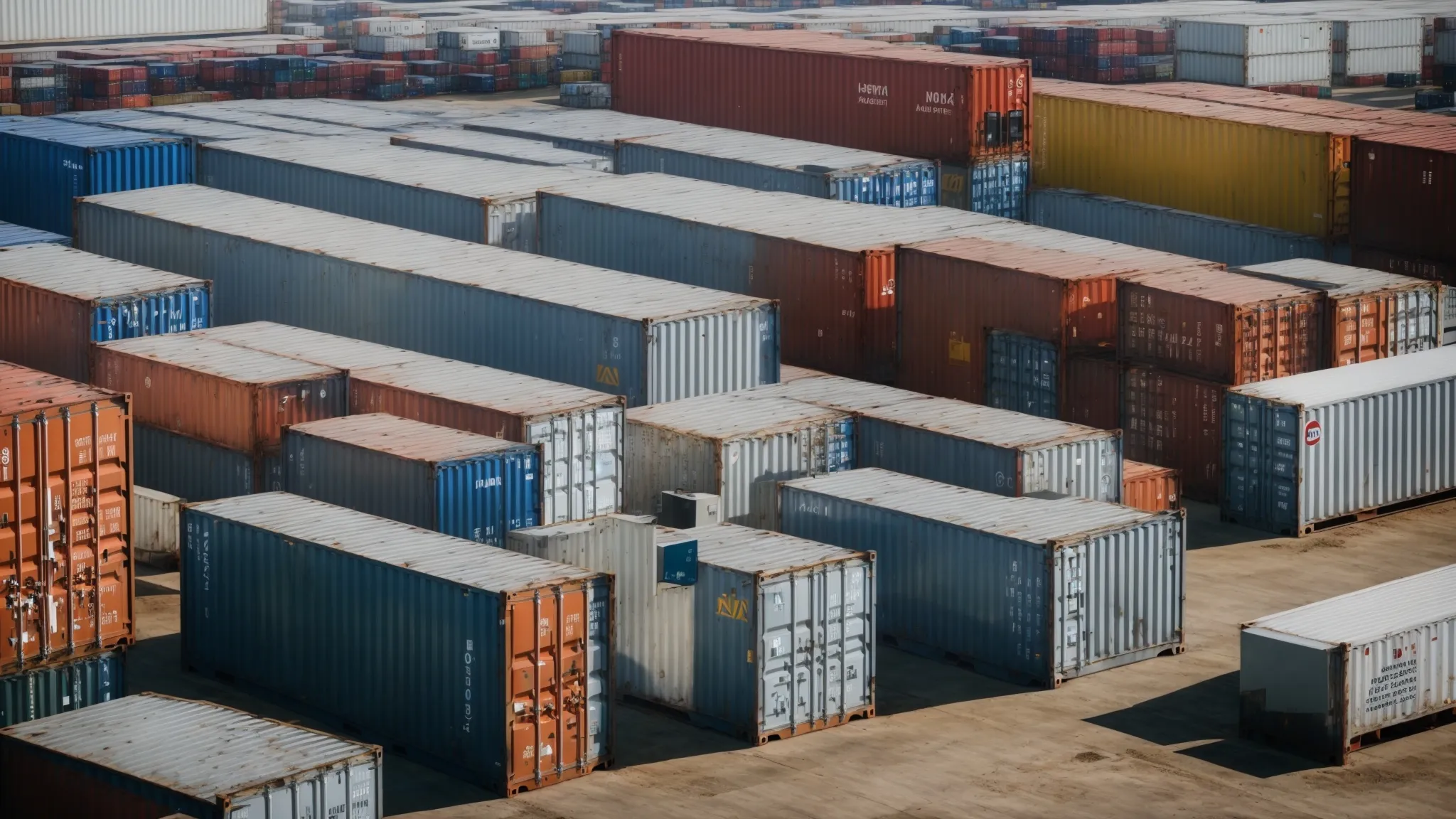
As you navigate the array of refrigerated shipping containers available, understanding the nuances of size, technology, and specialization becomes imperative to selecting the right reefer for your cargo.
From the more compact 20ft units ideal for smaller loads to the expansive 40ft containers designed to accommodate larger volumes, size variants cater to diverse needs within the supply chain.
Meanwhile, the distinction between high-tech and standard reefer units can significantly affect your shipment’s security and monitoring capabilities.
For those dealing in highly sensitive cargo, specialized containers are equipped to handle the unique demands of such goods, ensuring they are transported under optimal conditions.
Each choice in your selection process defines the trajectory of your investment and the integrity of the products trusted to these cold guardians of international trade.
Exploring Size Variants: 20ft, 40ft, and More
When looking at refrigerated containers, one of the first decisions you’ll face is selecting the appropriate size for your needs, from the elegant 20-foot options perfect for smaller shipments to the robust 40-foot variants designed for substantial volumes. For specialized transportation, even larger or custom-dimension containers cater to your unique cargo requirements, ensuring your goods fit just right and are secure during transit.
Whether it’s a truck filled with frozen foods heading to a regional food bank or a ship carrying pharmaceuticals to the United Arab Emirates, size matters. The capacity is not only the volume of goods you can transport but also the investment and energy required to maintain optimal temperatures: a decisive factor in the cost and environmental impact of your shipping activities:
| Container Length | Typical Usage | Volume Capacity |
|---|---|---|
| 20 ft | Small to medium shipments | 33.2 m³ |
| 40 ft | Large scale shipments | 67.7 m³ |
| Custom Variants | Specialized cargo | Varies based on design |
High-Tech Versus Standard Reefer Units
Choosing high-tech and standard refrigerated units is pivotal to safeguarding your temperature-sensitive commodities. High-tech reefers come equipped with advanced features such as real-time monitoring systems, providing precise control over temperature, humidity, and ventilation to cater to the nuanced needs of items like pharmaceuticals that could be adversely affected by minute fluctuations.
While lacking some of the intricate technical advancements, standard reefer units still offer robust refrigeration capabilities for a wide array of goods. You will find that they provide a cost-effective solution that reliably meets the essential requirements of food storage, ensuring a balance between quality preservation and your operational budget constraints.
Specialized Containers for Sensitive Cargo
When your operation involves transporting goods that require extra attention, specialized refrigerated containers step into the spotlight. These varieties are engineered with additional features like redundant cooling systems and advanced materials that meet the pharmaceutical industry’s elevated standards or ensure live cargo wellness during extended voyages.
With temperature uniformity as a non-negotiable standard, the meticulous design of specialized containers guarantees stability even under extreme conditions. You’re not just moving goods; you’re delivering peace of mind with every mile:
| Container Type | Targeted Cargo | Special Features |
|---|---|---|
| Pharma-Grade Reefer | Pharmaceuticals, Biotech Products | Exact temperature control, secure data logging |
| Controlled Atmosphere Container | Fresh Produce, Flowers | Gas exchange management, ripening control systems |
| Super Freezer Container | High-grade Sashimi, Biomedical Samples | Ultra-low temperature capability down to -70°C |
Your discerning decision to opt for specialized containers reflects your commitment to the integrity and safety of the cargo under your charge. Employing these refrigerated units affirms your dedication to delivering exemplary customer service and maintaining the trust vested in your supply chain management.
Understanding the variety of refrigerated containers up for grabs is just the tip of the iceberg. Let’s unlock the secrets to evaluating their quality and ensure your cargo stays in peak condition.
How to Assess the Quality of a Reefer Container
When venturing into refrigerated shipping containers, the ability to gauge their quality is not merely a skill—it’s a necessity.
Wading through the marketplace, you’re faced with a crucial mission: to discern which reefer unit will most adeptly protect your temperature-sensitive goods during their journey.
A keen understanding of indicators of well-maintained reefers is essential, especially when assessing refrigeration systems before purchase.
Furthermore, inspection for insulation excellence and structural integrity cannot be overlooked, as these components are the bedrock of a container’s performance.
As you stride forward, consider these pivotal assessments that assure that the reefer container you select meets the stringent criteria to safeguard your valuable cargo.
Indicators of a Well-Maintained Reefer Unit
Unlocking the full potential of a refrigerated container begins with recognizing the key signs of a well-maintained unit, indicators that can directly impact the longevity of your shipment’s freshness and viability. Look for a reefer with a smooth, clean stainless steel interior, free from visible damage and pungent odors, asserting a history of thorough cleaning and responsible cargo management.
A closely monitored refrigeration unit, evidenced through meticulous service records and seamless operation during a temperature pull-down test, establishes the efficiency and reliability of a reefer. Pay attention to the operational noise level and the consistency of the cooling cycle: a quiet, stable system often indicates a reefer that will uphold the integrity of your perishables under diverse conditions:
| Indicator | Observation | Relevance to Cargo |
|---|---|---|
| Interior Condition | Cleanliness, lack of damage and odors | Suggests prior responsible usage and good hygiene practices |
| Refrigeration Efficiency | Service records, performance during tests | This can be indicative of a well-maintained, efficient system |
| Operational Noise Level | Low noise during operation | Can be indicative of a well-maintained, efficient system |
Evaluating Refrigeration Systems Before Purchase
Before you decide to purchase a refrigerated container, it’s critical to put the refrigeration system to the test: Ensure that it performs to manufacturer standards and complies with safety regulations. A thorough evaluation of the system’s performance, including its power supply, voltage, and freezing capabilities, will illuminate its ability to preserve your cargo’s essential quality and safety during transport.
Your due diligence involves scrutinizing the refrigerant and confirming that it aligns with current environmental guidelines and performance benchmarks. Certain goods, specifically those in the pharmaceutical industry, require adherence to strict temperature ranges, which only a flawless refrigeration system can guarantee:
- Assess the unit’s ability to reach and maintain the set temperature
- Review maintenance records and warranty information
- Verify the system’s compliance with current environmental and safety standards
Inspecting for Insulation and Structural Integrity
Your evaluation of a refrigerated container’s insulation is paramount; it’s the silent defender against temperature excursions that could jeopardize your goods. Upon inspection, ensure there are no breaches in the container walls or roof, and verify the consistency of the insulation throughout—consistent insulation is a testimony to the container’s ability to protect its precious contents.
Turning to the container’s structural integrity, give meticulous attention to the condition of the floor, walls, and doors. A solid structure without signs of corrosion or damage underlines the commitment to maintaining the safety and quality of the refrigerated shipping container, which is critical for preserving the value of your investment over time.
Navigating the complexities of reefer containers ensures your precious cargo stays in peak condition. Let’s shift gears and explore whether owning or leasing these vital units aligns best with your logistical strategy.
The Advantages of Owning Versus Leasing Reefers
As you weigh the pros and cons of incorporating refrigerated shipping containers into your business model, it’s essential to consider whether owning or leasing aligns more harmoniously with your operational goals and financial strategy.
Each option presents its advantages, ranging from the long-term cost savings and asset control of owning a reefer to the flexibility and reduced upfront investment associated with leasing—particularly for short-term or seasonal needs.
This guide will navigate you through the cost implications of both scenarios, helping you discern the best approach for your enterprise in harnessing the power of cold chain logistics.
Analyzing Cost Implications for Businesses
When deciding whether to buy or lease a refrigerated container, you need to account for the long-term financial impact of such a choice on your operation. Owning a reefer can offer significant cost savings over time, but it also involves a hefty upfront investment that could be a barrier for some businesses.
On the other hand, Leasing presents an attractive pathway with its lower initial expenditure and the freedom to upgrade to the latest models as technology advances: it’s a strategy that can help you avoid obsolescence and manage maintenance expenses predictably. The decision to either own or lease your reefer units hinges squarely on the balance between immediate cash outlays and the anticipated economic benefits over the lifecycle of the container:
- Evaluate the initial purchase price versus periodic leasing costs.
- Consider the potential savings from long-term ownership against the flexibility of leasing.
- Factor in maintenance, warranty, and upgrade implications for each option.
Long-Term Benefits of Owning a Reefer
Owning a refrigerated container can be a game-changer for your business, providing the autonomy to deploy it at will and alleviate the pressure of adherence to lease timelines. It anchors your operations, allowing you to respond to market demands and customer needs with agility and assurance.
Your decision to own a reefer conveys a palpable commitment to your supply chain infrastructure. It whispers of an unwavering determination to scale peaks of efficiency and reign over logistics challenges, fortifying your business against the whims of market rental fluctuations:
- Repurpose containers based on fluctuating logistics requirements.
- Eliminate recurring leasing expenses for a better long-term financial outlook.
- Benefit from potential tax advantages associated with asset depreciation.
Flexibility and Convenience of Leasing for Short-Term Needs
The allure of leasing a refrigerated shipping container comes from its unsurpassed flexibility. You can adapt quickly to seasonal spikes, market changes, or unexpected shipment sizes without the long-term commitment and costs associated with ownership.
When your project is time-bound, or the financial scope doesn’t justify the purchase of a reefer, leasing emerges as the intelligent choice. This option grants you the convenience of having the latest technology at your disposal, ensuring your goods are transported in peak conditions without the burden of depreciation and long-term maintenance.
Exploring the cost-benefit of reefers brings us to an equally critical consideration. Let’s shift our focus to the powerhouse of savings: the energy efficiency and sustainability of refrigerated units.
Energy Efficiency and Sustainability of Refrigerated Units

In the sphere of global logistics, where the transport of temperature-sensitive commodities is in constant demand, it’s pivotal to acknowledge the environmental footprint refrigerated shipping containers imprint.
As you introspect the energy use and sustainability of these vital components in the cold chain, it becomes clear that the environmental impact, while significant, spurs ongoing innovation toward eco-friendly reefers.
Understanding how these innovations are shaping the future of reefers and incorporating best practices for energy efficiency are essential measures.
Through such initiatives, you will optimize operations and contribute to a more sustainable international trade landscape.
The Impact of Refrigerated Containers on the Environment
The refrigerated shipping container’s role in ensuring the integrity of global supply chains is undeniable, yet it brings a sizeable environmental footprint. As these units keep perishables at optimal temperatures, the energy consumed and related emissions represent ongoing challenges to sustainability efforts.
Transformations in reefer technology signal a collective shift toward greater environmental responsibility. These advancements lower emissions and energy consumption, contributing to a reduced carbon footprint for the international trade sector:
- Manufacturers are designing reefers with improved insulation, minimizing electricity use while maintaining temperature control.
- Integrating alternative power supply options like solar panels reduces reliance on traditional fuel sources.
- Advanced refrigerants with lower global warming potential are becoming the norm, in alignment with environmental protocols.
Innovations Leading to Greener Reefers
Embracing cutting-edge technologies, the industry is witnessing a surge in the development of greener reefers, revolutionizing the environmental landscape of refrigerated transport. Companies are leveraging innovations like advanced coating materials, which not only enhance thermal efficiency but also mitigate corrosion, thereby extending the longevity of containers while reducing the total carbon emission over their lifetime.
You’ll observe how the next generation of reefers focuses on precise temperature control through intelligent systems that adjust cooling mechanisms in real-time, significantly lowering unnecessary energy expenditure. These intelligent units integrate seamlessly into smart logistics networks, optimizing routes and loading efficiency, leading to substantial energy savings and a decrease in the collective environmental impact of the cold chain industry.
Best Practices for Energy-Efficient Operations
Stewards of the cold chain, approaching your operations with an eye toward energy efficiency starts with proactive strategies: Scheduling regular maintenance for refrigeration units is critical. Not only does this preserve the machinery’s optimal performance, but it also ensures that energy consumption remains at its lowest viable point, keeping your goods cool without environmental overheating.
Opt for high-efficiency lighting within the containers: LED lights, for instance, offer a powerful luminescence with a fraction of the energy draw. When loading or unloading your container, streamline the process to minimize outside air exchange, thus maintaining the internal climate with minimal additional energy input.
| Best Practice | Energy Efficiency Impact |
|---|---|
| Regular Maintenance of Refrigeration Units | Maintains peak performance and minimizes electricity use |
| Use of High-Efficiency Lighting | Optimizes light output with reduced energy consumption |
| Streamlined Loading/Unloading Procedures | Lessens energy needed to re-stabilize container temperature |
Recognizing refrigerated units’ eco-friendly strides, you might wonder about the dollars and cents of investing in a reefer. Let’s shift gears and examine the financial landscape, uncovering the price points and payment plans available for these essential units.
Price Range and Financing Options for Reefers
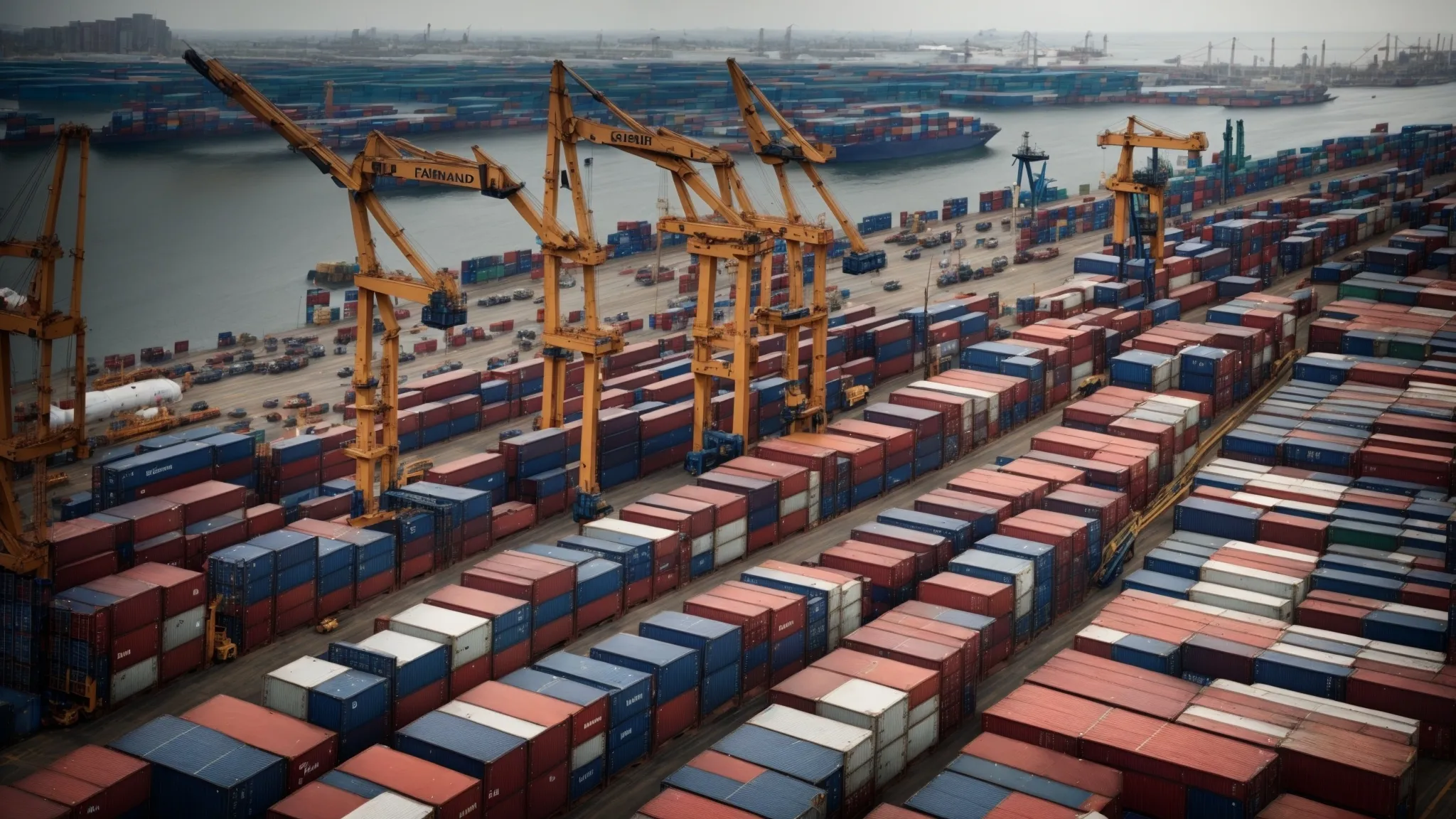
As you enter the financial realm of acquiring a refrigerated shipping container, the sheer spectrum of pricing and money-spending avenues unfold before you.
Navigating this landscape requires an astute understanding of the nuances that drive costs and shape the final price.
In the forthcoming explorations, you will glean insights into the cost factors, unravel financing schemas and payment constructs, and arm yourself with actionable tips to traverse the marketplace.
Whether seeking long-term ownership or fulfilling short-term needs, this guide aims to illuminate your path to securing a reefer that aligns with your budgetary confines and operational ambitions.
Understanding Cost Factors Influencing Prices
When you delve into the market for refrigerated shipping containers, an awareness of several key cost determinants proves invaluable. The price of a reefer is primarily influenced by its size, technological features, and the state of its insulation and refrigeration capabilities, which are critical for maintaining the temperature integrity of your goods.
As you analyze options, it’s essential to recognize that newer models with advancements in energy efficiency and built-in monitoring systems can fetch a premium, given their potential to reduce long-term operating costs. Conversely, an older, well-maintained unit may balance functionality and initial affordability, addressing budget constraints while protecting your temperature-sensitive cargo.
Exploring Financing and Payment Plans
Exploring financing options for your reefer purchase can significantly ease the financial burden of such an investment. Many suppliers and financial institutions offer tailored payment plans that can be customized to fit your cash flow and business model, allowing for gradual expenditure over time.
Consider leasing-to-own arrangements as a viable alternative, blending the flexibility of leasing with the eventual ownership of the reefer. These plans often come with manageable monthly payments and can include service agreements, ensuring your unit remains operational without unexpected costs:
| Financing Option | Benefits | Considerations |
|---|---|---|
| Payment Plans | Spreads cost over time, aligns with cash flow | Interest rates, term length |
| Leasing-to-Own | Provides flexibility, eventual ownership | Monthly payments, maintenance inclusion |
Tips for Navigating the Market and Finding Deals
Embarking on your search for an affordable refrigerated container, crusade towards dealers specializing in bulk sales or overstock units; these sellers occasionally present discounted rates that can significantly slash your acquisition cost. Stay vigilant for seasonal promotions or inventory clearances, as these can unveil hidden gems within the marketplace at a fraction of the usual price.
Forge relationships with reputable suppliers who may offer exclusive deals to repeat customers or provide insights into upcoming sales before they hit the general market. Your understanding in fostering such connections could yield competitive price points, tipping the scales in favor of your budget without compromising the quality or specifics of the refrigerated unit you require.
Securing your reefer at a manageable price sets the stage for a robust cold chain operation. Yet, the real magic happens with diligent maintenance to keep your investment running smoothly for years.
Maintenance Best Practices for Refrigerated Containers
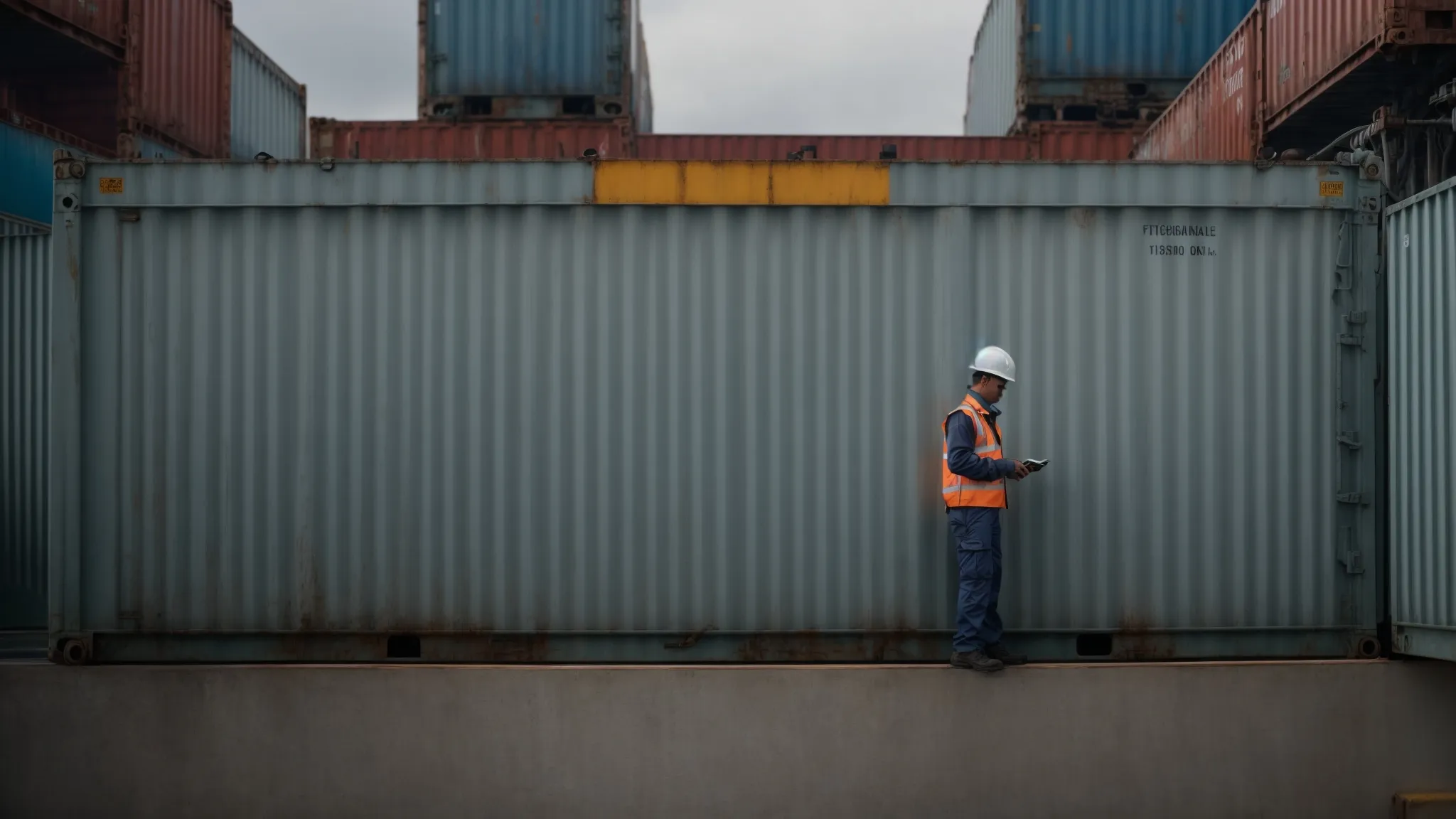
Maintaining the peak performance of your refrigerated shipping container is akin to preserving the lifeblood of your temperature-sensitive cargo operations.
As a custodian of these high-value assets, regular preventive maintenance is non-negotiable.
Empower your reefer to deliver top-notch protection and efficiency through disciplined routine checks and adhering to strict servicing schedules.
When wear and tear become evident, swift management of repairs and strategic upgrades are the linchpin to extending the operational lifeline of your unit.
Above all, recognize the undeniable importance of enlisting professional assistance for maintenance to ensure every aspect of your refrigerated container’s functionality aligns with industry standards, guaranteeing unsurpassed safety and longevity for your goods in transit.
Routine Checks and Servicing Schedules
Engrained in the backbone of a diligently managed logistics operation is the adherence to routine checks and servicing schedules for refrigerated shipping containers. These inspections, conducted by trained professionals, ensure the refrigeration units, insulation layers, and overall structural integrity do not betray the entrusted perishables during transportation.
Your involvement in setting regular servicing intervals for reefers maximizes their operational lifespan and preserves the sustainability of your investments. It’s pivotal that these checks encapsulate a thorough review of the refrigeration machinery, airtight seals on doors, and the structural condition of floors, walls, and roofs to sidestep potential malfunctions that could disrupt the cold chain and influence on the quality of your goods.
Managing Repairs and Upgrades to Prolong Lifetime
Attending to repairs promptly and embracing timely upgrades are cornerstones in extending the useful life of your refrigerated containers. By replacing worn parts before they fail and incorporating the latest technology, you sustain the container’s efficiency and reliability, safeguarding your cargo against spoilage and loss.
Upgrading to advanced cooling systems or retrofitting with superior insulation materials can drastically enhance older reefers’ performance, aligning them with current industry expectations. You’re not just patching up but investing in your container fleet’s future resilience and functionality, ensuring it remains an asset rather than a liability.
Importance of Professional Assistance for Maintenance
Engaging with professionals to maintain your refrigerated shipping containers is a decision that fortifies the reliability of your investment. Experts come equipped with the specialized knowledge and tools necessary to diagnose complex issues, ensuring that your units remain in optimal working condition, a critical factor for the unyielded protection of your temperature-sensitive cargo.
Assuming the helm of every maintenance detail may seem like sound economics, but it can lead to overlooked nuances that only trained eyes are conditioned to detect: Enlisting seasoned technicians not only safeguards the operational excellence of your fleet but also instills confidence in your ability to meet compliance standards and deliver exceptional customer service.
- Trust maintenance to those who are professionally trained to handle sophisticated refrigeration machinery.
- Rely on expert insight to keep up-to-date with regulatory compliance and safety protocols.
- Ensure customer satisfaction through dedicated professional care and handling of your reefer units.
Mastering maintenance is just the starting line; what lies ahead is ensuring your refrigerated containers meet the rigorous tapestry of regulatory compliance and safety standards—strap in as we delve deep into the world of reefers and the rules that govern them.
Regulatory Compliance and Safety Standards for Reefers
Understanding and adhering to regulatory mandates and safety standards may seem daunting as you engage with refrigerated shipping containers.
These norms are the linchpin that ensures the efficacy of the cold chain, safeguarding your goods throughout international shipping routes.
As you delve into the market, you must acquaint yourself with the benchmarks encircling safety protocols for the appropriate handling and secure storage of reefers.
Additionally, knowing which certifications are crucial when purchasing can protect your investment, ensuring that your chosen container complies with this specialized industry’s highest safety and efficiency standards.
Navigating International Shipping and Cold Chain Guidelines
Navigating the intricacies of international shipping requires a deep understanding of various regulations concerning transporting perishable goods in cold chain logistics. As you engage in this global trade, remain vigilant about compliance with the diverse safety and environmental standards set forth by international bodies, which dictate the operation and maintenance of your refrigerated shipping containers.
Equipping your fleet of reefers with the necessary certifications is not a mere formality; it is an essential practice that protects your cargo during transportation across international waters. Strict adherence to these guidelines ensures that your refrigerated containers meet all safety and operational protocols, allowing you to deliver your temperature-sensitive goods with reliability and integrity.
Safety Protocols for Handling and Storage
Understanding safety protocols for handling and storing refrigerated shipping containers assures the prevention of accidents and spoilage during the transfer and warehousing of goods. Proper training in using equipment like forklifts and pallet jacks, coupled with protocol adherence for stacking and securing containers, eradicates potential hazards and maintains the integrity of the cargo.
Establishing a safe environment ensures that your staff handles reefers carefully, especially when loading or unloading perishable goods sensitive to temperature changes. Rigorous inspection routines for the cleanliness and condition of containers before storage safeguard against contamination, securing the quality and safety of the goods inside:
- Enforce mandatory training for material handling equipment operators.
- Subscribe to strict container stacking and securing guidelines.
- Implement thorough inspection and cleaning protocols before storage.
Certifications to Look for When Purchasing
As you stand on the brink of acquiring a refrigerated shipping container, you must seek units with the appropriate certifications. These endorsements signify adherence to industry standards and affirm the container’s capability to transport goods securely while complying with global regulations.
Look for certifications that cover everything from energy efficiency and environmental impact to safety benchmarks for electrical systems and material durability. Securing a container with such certifications protects your operation from liability, bolstering its credibility in the competitive logistics marketplace.
You’ve unlocked the secrets to keeping your perishables pristine with top-notch safety standards. Meet the industry giants who set the bar for refrigerated container excellence.
Top Brands and Manufacturers of Refrigerated Containers
Embarking on the journey to acquire a refrigerated shipping container, you seek more than just a box; you seek a reliable partner in safeguarding your temperature-sensitive goods.
As you explore the refrigerated container market, you must acquaint yourself with the prominent brands and manufacturers that dominate this space.
Industry leaders each offer unique value propositions—some renowned for their cutting-edge technology, others for their stalwart reliability or responsive customer service.
In the following paragraphs, you’re invited to compare the offerings and reputations of top manufacturers, delve into genuine customer feedback, and equip yourself with the insights needed to pinpoint the brand that best fits your specific logistics requirements.
Comparing Industry Leaders and Their Offerings
As you navigate the competitive seas of refrigerated shipping containers, you will encounter industry titans like Carrier Transicold and Daikin, each brandishing their distinct suite of innovations and reliability. Carrier Transicold is heralded for its high-performance units that promise superior temperature control, while Daikin’s offerings excel with user-friendly digital controls and energy-efficient operations that cater to your nuanced shipping needs.
You will also come across Thermo King, a name synonymous with durability and advanced temperature management solutions designed for diverse transport environments. Their reefers are equipped with precise climate control technology that ensures the uncompromised safety of your cargo, demonstrating their commitment to excellence and setting the bar high for other contenders in the refrigerated container market.
Evaluating Brand Reputation and Customer Reviews
Taking the pulse of the brand’s market reputation and diving into customer reviews is a savvy move in your quest for the right refrigerated shipping container. You will gather invaluable insights on durability, customer service experience, and post-purchase support, immensely shaping your decision-making process.
Consider the testimonials of businesses like yours: their experiences with temperature consistency, ease of repair, and warranty fulfillment reflect the true colors of a brand’s efficacy and reliability. Customer reviews often unveil the realities of a product’s performance, spotlighting discrepancies between advertised quality and actual functionality.
- Assess the brand’s historical performance through customer testimonials.
- Gauge the extent and responsiveness of the manufacturer’s customer service.
- Scrutinize the ease of maintenance and availability of parts as reflected in customer feedback.
How to Choose the Best Brand for Your Needs
Selecting the optimal brand for your refrigerated container needs aligns their product offerings with your specific requirements. Evaluate which manufacturer’s technology, size options, and design intricacies match both the nature of your cargo and the conditions under which they will be transported: consider this an investment in the seamless continuity of your supply chain.
- Identify your cargo’s specific temperature and ventilation needs.
- Assess manufacturers based on their container’s adaptability to diverse environmental conditions.
- Compare warranty terms and the availability of customer support across different brands.
Once you’ve homed in on manufacturers that satisfy your criteria, contemplate the long-term value each brand promises. Think beyond the immediate price tag—factor in the container’s durability, the intricacy of its power supply systems, and the potential energy savings, ensuring you secure a reefer that delivers reliability and efficiency over its lifespan.
Let’s pivot from present achievements to what’s on the horizon. Gear up for a glimpse into the revolutionary changes shaping the future of refrigerated container technology.
Future Trends and Innovations in Refrigerated Container Tech
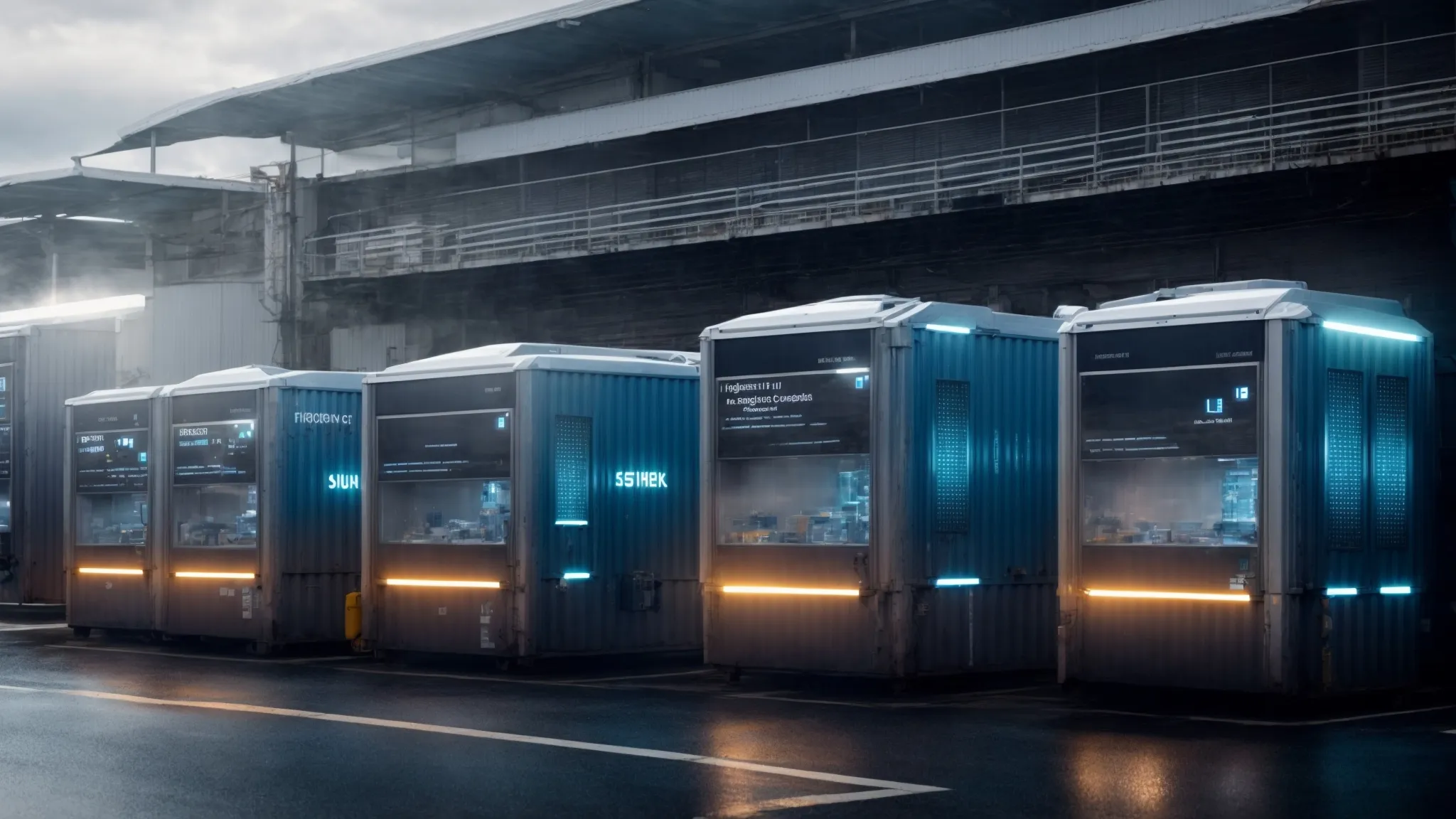
Embarking on the frontier of refrigerated container technology, you stand at the cusp of a revolution set to redefine cold shipping solutions.
Anticipate a wave of developments in refrigeration and insulation, seamlessly integrated with the emergence of the Internet of Things (IoT) and intelligent technologies that promise to elevate the precision and efficiency of reefers.
Prepare to embrace the next generation of cold shipping solutions that will not only enhance the management of your temperature-sensitive cargo but also revolutionize the operational dynamics of the cold chain industry.
Anticipating Developments in Refrigeration and Insulation
As you peer into the horizon of refrigerated container advancements, watch for breakthroughs in refrigeration and insulation technologies. Progressive enhancements promise to boost energy efficiency and extend the shelf life of cargo, mitigating the environmental impact while fortifying the resilience of temperature-sensitive goods against the rigors of global logistics.
Get ready to witness cutting-edge solutions such as phase-change materials and vacuum insulation panels that are set to redefine how reefers maintain thermal consistency. These innovations are poised to deliver unparalleled insulation performance, minimizing electricity dependency and offering a leap forward in sustainable refrigerated transport:
| Innovation | Benefit | Impact on Sustainability |
|---|---|---|
| Phase-Change Materials | Enhanced thermal consistency | Reduction in energy usage |
| Vacuum Insulation Panels | Superior insulation performance | Decreased carbon footprint |
The Role of IoT and Smart Technology in Reefers
The advent of the Internet of Things (IoT) and intelligent technology marks a transformative era for refrigerated containers, where continuous monitoring and real-time data converge to optimize the transit environment. IoT-enabled reefers provide instant access to critical parameters such as temperature, humidity, and location, ensuring you maintain a vigilant watch over your cargo’s condition, no matter the distance it travels.
Smart technology in reefers transcends mere temperature regulation; it embodies a holistic system of cargo care. By alerting you to any deviations from the prescribed environment, these intelligent containers facilitate proactive measures to safeguard the quality of your goods:
- Leverage IoT for continuous tracking and status alerts.
- Utilize innovative technology for efficiency in energy consumption and predictive maintenance.
- Implement advanced analytics for improved logistics planning and inventory management.
Preparing for the Next Generation of Cold Shipping Solutions
As we stand on the brink of transformative change, you must gear up to adapt and integrate the forthcoming wave of cold shipping solutions into your logistics strategy. With advancements in machine learning and AI-driven predictive analytics winging their way to the forefront, your readiness to incorporate these smarter, more resilient reefers will be pivotal to your success in maintaining the vitality of your perishable goods.
Embracing the new wave requires you to stay abreast of emerging technologies and prepare for their integration, ensuring that your operations are not left behind as the freight industry leaps forward. These next-gen cold shipping solutions, laden with enhanced energy optimization and intelligent monitoring systems, stand ready to elevate the effectiveness of your refrigerated transport, affording you the agility to respond to ever-shifting market demands and environmental considerations.
Conclusion
Refrigerated shipping containers, or reefers, are vital in maintaining the cold chain and ensuring the safe transportation of perishable goods across the globe.
From advanced refrigeration units like Thermo King to robust insulation materials, these containers are technology marvels that enable precise temperature settings and humidity control necessary for transporting sensitive products.
The array of options on the market—from 20ft to 40ft and specialized units—cater to diverse needs and cargo.
Owners must balance the benefits of owning versus leasing based on cost, flexibility, and business scale.
With an industry increasingly focused on sustainability, energy-efficient and environmentally friendly innovations are at the forefront, fundamentally altering the future of cold chain logistics.
Ultimately, choosing the right reefer is a strategic decision that depends on understanding these sophisticated units’ features, costs, and maintenance practices.
Proper investment in the right brand, coupled with adherence to regulatory compliances, can significantly enhance the efficiency and reliability of the global supply chain.