
Mastering the Art of Negotiating Prices for Shipping Containers
When diving into the complex realm of logistics, sharpening your negotiation skills for procuring shipping containers can dramatically impact your bottom line.
Timing a purchase against ocean rates has changed this fall, and our look at how the East Coast freight peak affects container price timing explains which parts of a quote can move and which cannot.
Before you negotiate a fourth-quarter purchase, see the four questions to settle with a yard before November 9, starting with whether the unit is domestic stock or still on the water.
For the September 2026 read on this, see where the negotiating room sits in a competitive supply month, which explains why release timing is often the term with more give in it than the unit price.
Timing is leverage, and the clearest current example is which parts of a delivery quote are actually negotiable, including why crane placement on a wet site is one line you cannot talk down.
For a snapshot of the current market, see why used container prices are suddenly negotiable in fall 2026 — the negotiating leverage described below is at a multi-year high thanks to full depots and leasing fleet releases.
Market timing is leverage too — our July 2026 look at why a cooling freight market is a negotiating window for container buyers explains how to use the post-surge lull before new tariffs land.
Market context is your strongest bargaining chip — our analysis of the July 2026 import surge and the buyer leverage it creates shows why visible depot inventory puts more negotiating power in buyers’ hands this fall than headlines suggest.
Timing is leverage too — our guide to negotiating ahead of the late-July 2026 tariff deadline explains why the date on a quote can matter as much as the number this summer.
Your leverage depends on which way the market is tilting — see how the 2026 container buyer’s market is turning before you sit down to negotiate.
Negotiation leverage starts with market context — our latest piece on the current Northeast pricing window and how long it stays open gives you the data behind any pricing conversation with a dealer this summer.
Negotiation leverage shifts when the supply side is under federal scrutiny. See our breakdown of the DOJ’s container price-fixing indictment and what 2026 buyers should know for the context behind current dealer pricing.
Strong bargaining power hinges on a nuanced understanding of freight rates, demurrage, and incoterms.
It’s about balancing the scales of supply chain management, leveraging data analysis, and optimizing every ounce of space in your cargo.
Whether you’re wrangling over ocean freight costs or liaising with customs brokers, your ability to secure favorable terms sets the stage for sustainable profit margins.
Keep reading to unlock strategic insights that will transform your approach to negotiating in the fast-moving world of container shipping.
Key Takeaways
- Understanding Container Dimensions, Weight, and Cargo Specifications Is Crucial for Negotiating Favorable Terms
- Timing Purchases to Match Off-Peak Seasons Can Result in Substantial Cost Savings
- Developing Strong Relationships With Suppliers Enhances Bargaining Power and Can Lead to Better Pricing
- Considering Multi-Modal Shipping Options Provides Flexibility and Can Optimize Supply Chain Efficiency
- Thorough Analysis of All Potential Fees and a Clear Understanding of Maintenance and Return Policies Are Essential to Avoid Unexpected Costs
Establish a Strong Knowledge Base Before Negotiating

Embarking on the journey of securing a shipping container for your cargo needs involves much more than simply examining the price tag.
Your ability to confidently navigate the negotiation table hinges on an in-depth comprehension of the dynamic factors that shape the market.
As your eyes skim through the data on spot rates and bargaining trends, recognize that the ocean freight landscape is influenced by myriad elements—from global demand and supply chain management to the intricate dance between import and export obligations.
The knowledge you equip yourself with must be robust, examining not just the stark numbers but also the subtle differences between the sleek, untouched surfaces of new containers and the storied exteriors of their seasoned counterparts.
Prepare to enter these negotiations not as a novice but as an expert armed with data analysis, understanding the nuances of container dimensions, including length, height, and dimensional weight, and ready to wield your accrued insight to achieve the most favorable terms.
Research Current Market Rates for Shipping Containers
Before reaching out to freight forwarders or shipping carriers, you must clearly understand the prevailing freight rates. An effective strategy includes monitoring rate fluctuations over time, affording you the bargaining power to lock in a rate that protects your profit margin and reflects a proper understanding of the market’s pulse.
A deep dive into the complexities of cargo transport reveals the intricate variables influencing shipping costs, such as fuel surcharges, port fees, and the fine print of freight contracts. Your insistence on transparency during the procurement process and rigor in analyzing these factors can reduce the likelihood of unexpected fees like demurrage that could later escalate your expenses beyond your initial cargo budget.
Understand Factors Affecting Shipping Container Pricing
Decoding the factors influencing shipping container pricing involves scrutinizing more than the sticker cost: your strategic approach must consider the fluctuating variables like freight rates, seasonality, and the supply and demand curve. The depth of your research sets the stage for effective bargaining, enabling you to anticipate cost shifts and secure a favorable agreement for your logistics needs.
Consider how elements such as cargo weight and volume, freight transport mode, and the specification of Incoterms can alter pricing structures. Acute awareness of these details can empower you to work with an account manager or a consultant to fine-tune your procurement plan, ensuring your understanding of pricing is comprehensive and cost-effective.
| FactorImpact on Shipping Container Pricing | |
|---|---|
| Freight Rates | Varies with market demand, fuel costs, and carrier pricing strategies. |
| Supply and Demand | Influences availability and can drive prices up during peak times or down during lulls. |
| Cargo Specifications | Weight, volume, and type of goods affect the cost associated with different shipping options. |
| Incoterms | Determines the distribution of costs and responsibilities between buyer and seller. |
| Seasonality | Prices may increase during busy seasons due to higher demand for container use. |
Differentiate Between New and Used Container Costs
Understanding the cost difference between new and pre-owned shipping containers will significantly enhance your negotiation capacity. New containers boast a pristine condition and longer lifespan, translating into a higher upfront investment than their used counterparts, offering a more cost-efficient solution with a trade-off in aesthetics and potential longevity.
Your negotiation prowess grows when you consider the history of the container. Inspection records, maintenance details, and the presence of any previous damages contribute to the valuation of used containers. Conduct a thorough inspection or employ a reliable consultant to ensure the price reflects the condition, ultimately affecting your bargaining power and the deal you strike with the shipping carrier.
Armed with a solid foundation, you’re poised to dive into the nitty-gritty of your specific requirements. Let’s unveil the mysteries of your shipping demands and tailor your strategies to perfection!
Know Exactly What Your Shipping Needs Are

Navigating the expansive world of shipping containers necessitates a precise understanding of your unique freight needs.
As you pivot toward identifying the most suitable container size and type for your cargo, you’re charting a course toward efficiency and cost-effectiveness.
Calculating the cumulative volume and weight of your goods is not just a task— it’s essential in constructing a clear framework for your shipping strategy.
With an eye on the urgency and frequency of your shipments, you craft an approach that transcends mere cost-saving, maturing into a refined expression of supply chain management.
Refine your requirements with meticulous precision, and you set the stage for robust negotiations tailored to your business needs.
Identify the Container Size and Type Required for Your Cargo
Deciphering the exact specifications of the container tailored for your cargo is a pivotal step in the negotiation process. Evaluate the nature of your goods, factoring in the density and fragility, to determine the appropriate container type, whether a standard dry van, a refrigerated option, or an open-top for oversized items.
Once you grasp the commodity you’re working with, consider the frequency and volume of shipments to pinpoint the optimal container size, thereby avoiding the wastage of unused space and the exorbitant cost of employing multiple units. You aim to select a container that snugly fits your cargo, ensuring safe transport while maximizing your investment.
Calculate the Total Volume and Weight of Your Goods
Embark on calculating your cargo’s total volume and weight by taking precise measurements of each product in your inventory. This meticulous step is pivotal, as it ensures you select the appropriate container, safeguarding your goods during transit while optimizing the cost associated with shipping dimensions and freight weight.
Ensure you have reliable data, as this information is critical in equipping you with leverage during discussions with shipping carriers. Knowing your consignment’s exact volume and weight informs the freight rate, solidifying your position when negotiating terms that reflect the capacity and nature of your freight needs.
Determine the Urgency and Frequency of Your Shipments
Pinning down the urgency of your shipments sets the tempo for your entire logistical execution. If your goods need to arrive by a specific deadline, your discussion with freight carriers will pivot towards expedited options or premium services that can promise faster delivery, albeit at a potential increase in freight rates.
Equally, assessing the frequency of your cargo movements helps determine if engaging in long-term freight contracts or spot rate dealings is the more reasonable approach. Periodic shippers may find sporadic bookings appropriate, while those with a consistent shipping schedule could leverage this regularity to negotiate more favorable long-term rates.
Understanding your shipping needs is only the beginning. Now, let’s harness the power of timing to elevate your strategy.
Utilize Timing to Your Advantage
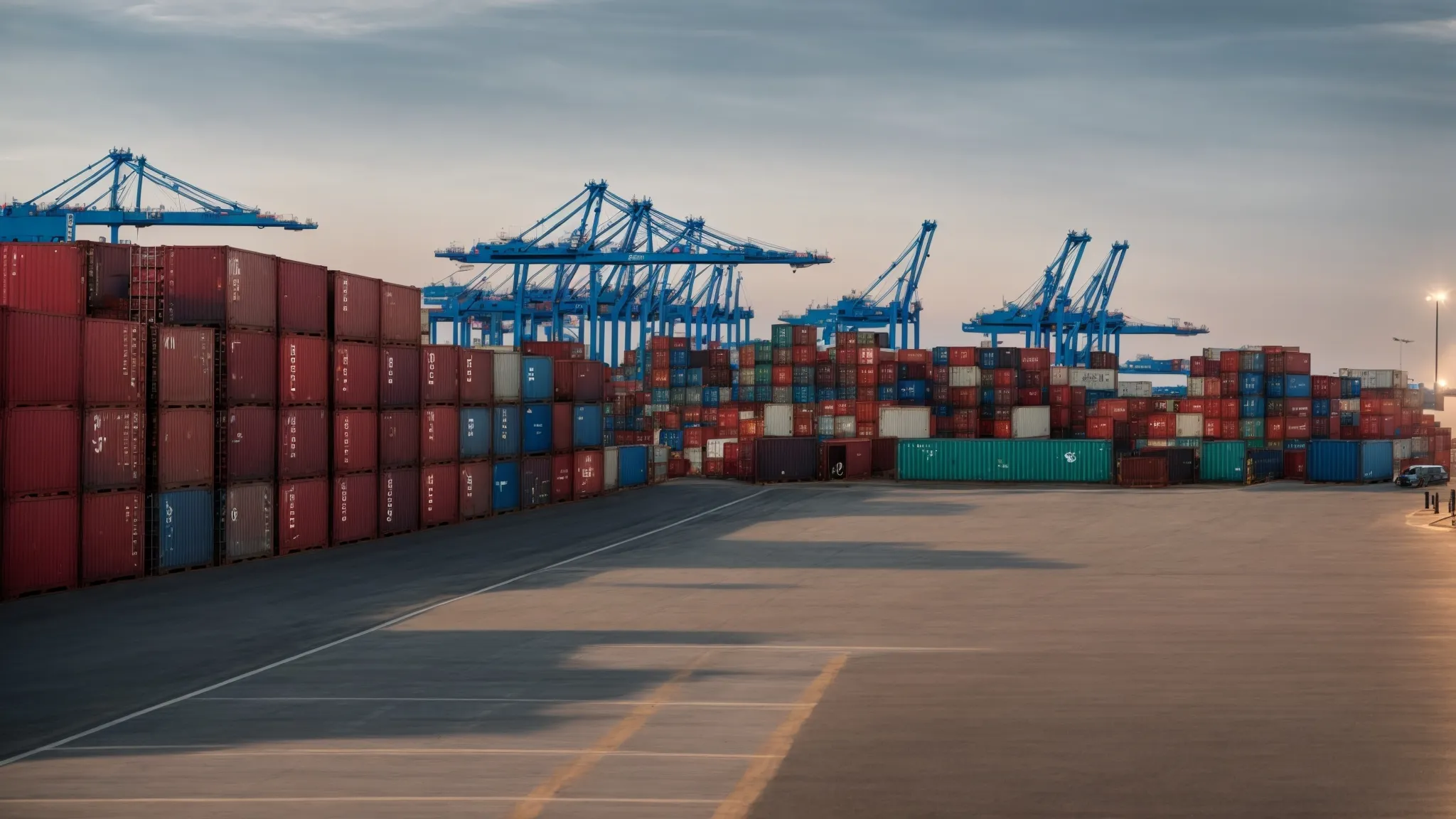
As you step deeper into the negotiation labyrinth, remember to harness the power of timing—a strategic ally in your quest to secure the best possible deal on shipping containers.
Cultivating an awareness of industry rhythms allows you to anticipate and exploit fluctuations to your benefit.
By keeping a vigilant eye on the calendar, you can deftly sidestep periods of heightened activity and instead capitalize on quieter intervals, leveraging off-peak seasons for more attractive pricing.
Meanwhile, staying attuned to global events that rattle the supply and demand equilibrium empowers you to react adeptly, turning potential market turbulences into advantageous opportunities.
Monitor Industry Trends to Identify the Best Time to Buy
Keeping your finger on the market’s pulse is invaluable when aiming to purchase shipping containers at opportune moments. By attuning yourself to cyclical trends and freight rate forecasts, you position yourself to act swiftly when the market dips, securing cost savings that could significantly impact your bottom line.
Your vigilance in tracking ocean freight rates and understanding their historical patterns can reveal buying windows that others might miss. This holistic view, enriched by your experience and the latest data analytics, becomes a strategic tool that guides your timing and can translate into substantial bargaining leverage with shipping carriers or freight forwarders.
Consider Off-Peak Seasons for Potential Price Leverage
When contemplating your next move in container procurement, consider the strategic edge that off-peak seasons can provide. These are times when demand for shipping resources wanes, affording you a stronger position to negotiate lower rates and more favorable terms with carriers without compromising service quality.
Your discernment in choosing the right moment can result in substantial cost savings, as carriers are often more willing to offer incentives to maintain a steady business flow during these slower periods. By planning your negotiations around these lulls, you enhance your bargaining power and dodge the spike in expenses typically associated with peak season frenzies.
Be Aware of Global Events Impacting Supply and Demand
Global events can significantly shape the landscape of supply and demand, ultimately affecting freight and shipping container prices. Political unrest, natural disasters, or significant policy changes in trade can disrupt the flow of goods, prompting rapid shifts in the availability and cost of shipping resources.
Staying informed about such occurrences allows you to anticipate market changes and adjust your negotiation strategy accordingly. Proactive monitoring ensures you maintain control over your supply chain, even when faced with international trade turbulence.
| Global EventImpact on SupplyImpact on DemandResulting Effect on Shipping Container Prices | |||
|---|---|---|---|
| Trade Policy Shifts | May restrict or open up markets | Could alter trade volumes | Potential increase or decrease in container costs |
| Natural Disasters | Disruption in production and logistics | Change in geographic demand | Prices may spike or drop depending on affected areas |
| Political Unrest | Possible delays or closures of ports | Increased uncertainty could reduce demand | Fluctuations in pricing as the market reacts |
Mastering the ebb and flow of timely decisions sets you on the path to success. Now, let’s shift gears and discover how nurturing robust connections with your suppliers can magnify your triumphs.
Forge Strong Relationships With Suppliers
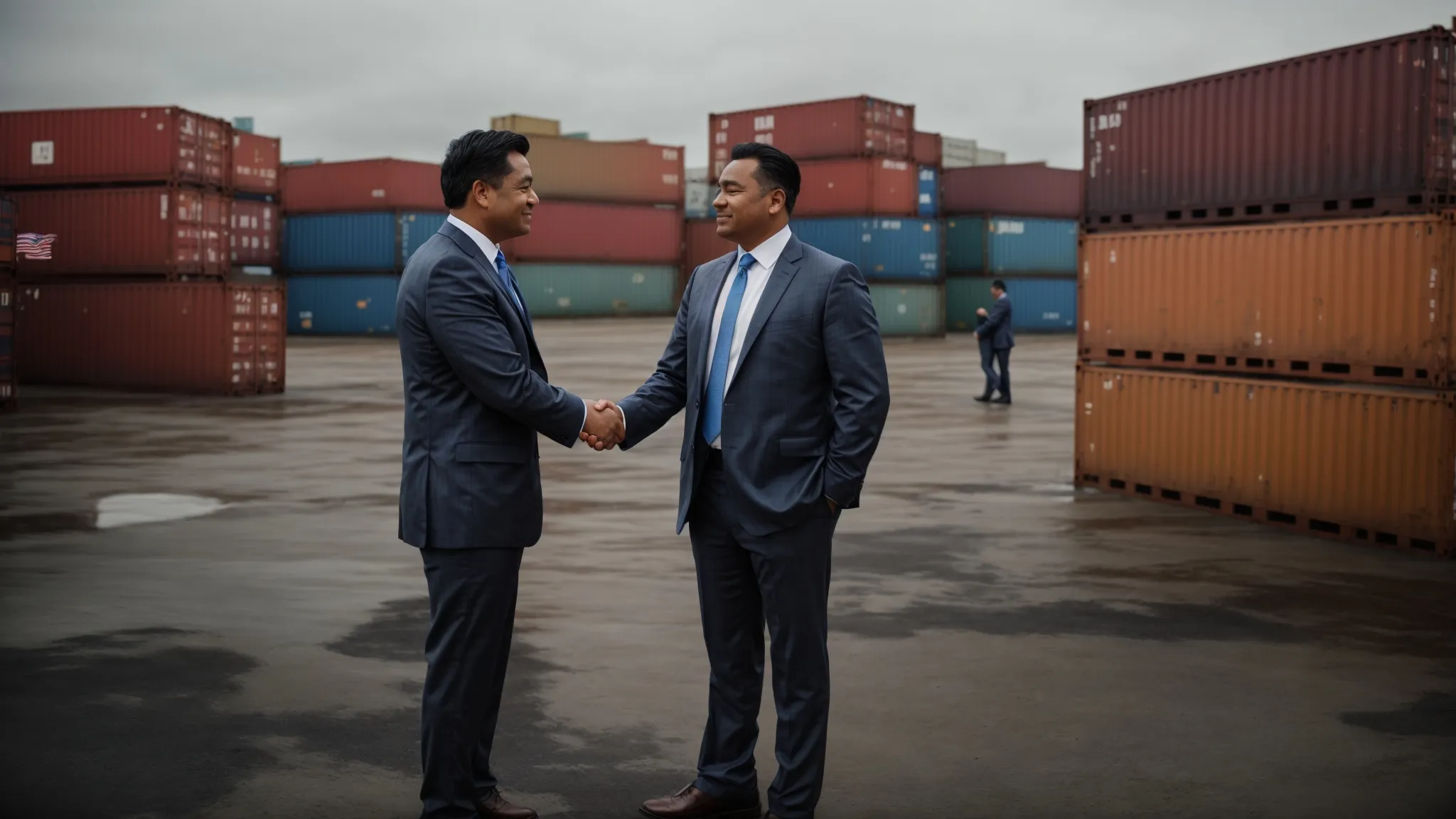
Engaging effectively in the competitive pricing arena for shipping containers demands more than tactical acumen; it leans heavily on the strength of the relationships you build with suppliers.
Ensuring a diverse pool of contacts within the industry grants you a broader spectrum of options, laying a versatile foundation for all your shipping needs.
Cultivating mutual respect and a solid rapport with these stakeholders is essential, as it can significantly influence your ability to engage in successful ongoing negotiations, benefiting both your supply chain management and your bottom line.
A history of repeat business can be a potent factor, bolstering your bargaining power and establishing you as a preferred partner in future dealings.
By investing in the connections you foster with suppliers, you tap into a valuable reservoir of negotiation potential that could offer extraordinary dividends.
Connect With Multiple Container Suppliers for Options
When you establish connections with various shipping container suppliers, you open a door to a wealth of options that can be tailored to your specific shipping needs. It’s not just about having alternatives; it’s about equipping yourself with the ability to choose the most advantageous deal from cost, timing, and contract terms.
Engaging with multiple suppliers transforms the negotiating process into a competitive advantage, giving you the upper hand as suppliers vie for your business. This dynamic can work in your favor, as suppliers may be more inclined to offer favorable terms knowing there is competition for your commitment:
| Supplier Engagement | Advantages |
|---|---|
| Diverse Supplier Contacts | Enhances bargaining power with a competitive procurement environment. |
| Contract Term Flexibility | Suppliers may offer improved terms to secure your business over competitors. |
| Market Knowledge | Multiple perspectives enrich market intelligence, guiding informed decisions. |
| Cost and Timing | Opportunity to negotiate lower costs and optimal delivery schedules. |
Build Rapport to Facilitate Ongoing Negotiations
Establishing genuine connections goes beyond a transactional approach, fostering reliable and trustworthy relationships. When you take the time to understand the challenges suppliers face and demonstrate empathy, you lay the groundwork for positive, open dialogues that can lead to more effective ongoing negotiations and competitive pricing. This relational investment places you at a vantage point where suppliers view you as a customer and a valued partner.
To facilitate relationships that endure, prioritize communication that’s both responsive and transparent – this nurtures a collaborative atmosphere conducive to fruitful contract negotiations. Acknowledge the expertise of your container provider, ask informed questions, and be vocal about your needs: this shows respect for their experience while ensuring your requirements are precise, establishing a pathway to mutually beneficial agreements:
| Supplier Relationship Aspect | Benefit in Negotiation |
|---|---|
| Reliability | Builds trust, leading to suppliers valuing long-term contracts with you. |
| Empathy & Understanding | Encourages suppliers to be flexible and accommodating to your needs. |
| Transparent Communication | Paves the way for clarity in contract terms and expectations from both parties. |
| Collaborative Dialogue | Invites creative solutions and the potential for exclusive pricing advantages. |
Leverage Past Business for Better Bargaining Power
Your prior engagements with shipping container suppliers are invaluable assets in securing beneficial deals. Leveraging your history of timely payments and consistent orders, you can advance your position at the bargaining table: suppliers remember reliable clients and often provide preferential pricing or flexible terms to maintain a prosperous relationship.
Do not underestimate the clout of past business when discussing future contracts. Suppliers inclined to invest in long-standing customer relationships might offer you insider access to limited offers or reduced rates, acknowledging your proven track record as a trustworthy and loyal client:
| Previous Engagement | Benefit in Current Negotiation |
|---|---|
| Timely Payments | Suppliers view you as a lower-risk customer, potentially leading to better payment terms. |
| Consistent Orders | Establishes you as a volume buyer, which might unlock volume discounts or priority allocation. |
| Loyal Clientele Status | May entitle you to special deals or early access to new services and rates. |
Now, let’s take it up a notch. Building a robust network of allies in your supply chain can usher in unprecedented opportunities for savings. When you pivot to the power of bulk buying, the landscape of discounts and deals dramatically shifts in your favor.
Leverage Bulk Purchases for Better Rates

Stepping into the realm of shipping containers, your understanding of securing the best possible rates can be significantly enhanced by considering the scale of your purchases.
When you weigh the possibilities of augmenting your order, you unlock the doors to a realm where volume becomes a powerful catalyst for negotiation.
When you assess the feasibility of buying bulk positions, you can request discounts rooted in volume commitments—a move that can shrink your expenditure substantively.
Furthermore, engaging suppliers in discussions about long-term contracts can pave the way to consistent savings, smoothing out financial projections and solidifying your supply chain infrastructure.
Embrace the strategy of bulk procurement and watch as opportunities for advantageous pricing unfold before you.
Assess the Feasibility of Buying Multiple Containers
Assessing the feasibility of buying multiple containers requires a strategic approach. Gauge your long-term shipping needs against current budget constraints to determine whether such an investment aligns with your logistical strategy and financial forecast.
Consider the storage or staging costs associated with a higher volume of containers and the potential need for facility zoning considerations. Your due diligence in this calculation ensures that unanticipated overheads do not undermine the benefits of bulk purchasing.
Negotiate Discounts Based on Volume Commitments
In your quest for cost-effective shipping solutions, consider leveraging your volume buying power as a pivotal part of your negotiation strategy. By signaling your readiness to purchase multiple containers, you can incentivize suppliers to offer reduced rates, recognizing the value of securing a deal that promises substantial business.
Approach suppliers with a clear indication of the quantity you’re willing to commit to; this illustrates your intent and highlights the potential for a mutually beneficial partnership. Vendors often have predefined thresholds for volume discounts, and your commitment could position you to surpass these benchmarks, leading to significant savings for your company.
Explore Long-Term Contracts for Consistent Savings
Engaging in long-term contracts can be a prudent move, anchoring your business to a stable cost structure amidst the ebbs and flows of the market. By committing to a multi-year agreement, you avail yourself of consistent pricing, insulating your budget from fluctuating freight rates and maritime uncertainties.
Entering such enduring partnerships communicates to suppliers your commitment to a solid working relationship, often prompting them to reciprocate with attractive pricing and reliable service. This strategic alignment not only bolsters your supply chain resilience but can also yield cumulative savings over time, reinforcing the financial health of your operations.
Maximizing your bargaining power through bulk purchases isn’t just smart—it’s strategic. As we pivot our focus, consider the potential savings and flexibility in the lease-versus-buy debate.
Explore the Benefits of Leasing vs. Buying

When you’re tasked with determining the optimal strategy for integrating shipping containers into your business model, you must decide whether to lease or purchase these indispensable assets.
This critical choice requires carefully evaluating your company’s operational needs and financial health, mainly as it affects your supply chain’s agility and overall cost-efficiency.
You must contrast the immediate and ongoing financial requirements of outright ownership against the flexibility and potential savings leasing can offer.
As you compare the expense implications of both options, consider the frequency of your container usage and how each path aligns with your financial trajectory.
It’s essential to visualize the short-term expenditures and the long-term financial impacts these decisions will imprint upon your business.
Compare the Cost Implications of Leasing and Purchasing
When you stand at the crossroads of leasing versus buying shipping containers, the differential in cost can be a deciding factor. Leasing allows you to avoid the substantial initial outlay of purchase, offering financial breathing space and the flexibility to redirect capital toward other critical business investments.
On the flip side, buying containers outright can translate to long-term savings, especially if the frequency of your shipping demands ensures that the investment amortizes quickly. Contemplate the anticipated duration of container use and weigh it against the potential resale value to gauge the true cost-effectiveness of purchasing:
| Leasing | Buying |
|---|---|
| Lower initial expense, preserving cash flow for other investments | Higher upfront cost, but potential for long-term savings and asset ownership |
| Flexibility to upgrade or change container types as needed | Residual value can offset the initial purchase price if sold later |
| Monthly fees may ultimately exceed the purchase price over time | Requires substantial capital but grants full control over the asset |
Evaluate the Pros and Cons Based on Usage Frequency
For businesses with a high frequency of shipments, purchasing containers may become cost-effective over time: Your regular use can quickly offset initial costs, turning what was once an expense into a long-term asset. Conversely, if your shipping needs are sporadic, leasing provides the flexibility to meet demand without the financial commitment of ownership.
- High shipment frequency leads to better purchasing cost amortization.
- Intermittent shipping needs align with the flexibility of leasing.
- Ownership translates into a long-term asset for frequent users.
- Leasing avoids the financial weight of idle containers between uses.
You must consider how the consistency of your shipments impacts your decision: Leasing frees you from tying up capital in underutilized assets, whereas buying can enhance your fleet’s responsiveness to market changes and customer service demands.
Calculate Long-Term Financial Impacts for Your Business
Grasping the long-term financial ramifications that leasing or buying shipping containers imposes on your business requires meticulous forecasting. Projecting cost implications over the life of your containers against revenue generation must take precedence to paint an accurate financial picture of your enterprise’s future.
Map out an estimated timeline of container utilization versus the cumulative leasing fees or purchase payments, taking care to factor in potential maintenance, modifications, or disposal costs. These considerations will crystalize whether leasing or buying aligns with your company’s long-term financial strategy, directly influencing your ability to maximize profits and sustain growth.
Moving from the cost-benefit analysis of leasing versus buying, gear up for the next challenge. It’s time to sharpen your negotiation skills and prepare for the art of supplier counteroffers.
Prepare for Counteroffers With Supplier Tactics

As you refine your negotiation strategy for acquiring shipping containers, understanding the ebb and flow of dialogue with suppliers is crucial to securing the best deal.
You’re about to engage in a tactical exchange that demands foresight and a delicate balance between assertion and adaptability.
Steel yourself to anticipate typical objections suppliers might raise and craft well-thought-out rebuttals that underscore the value of your proposal.
Recognize the critical moments in the conversation that call for standing your ground and those requiring a strategic compromise.
Embrace scenario-based negotiation practices to navigate these discussions deftly—each move orchestrated to favor your objectives while maintaining strong business relationships.
This dance of negotiation, a blend of preparation and poise, will position you to emerge victorious.
Anticipate Common Objections and Prepare Responses
Expect suppliers to raise concerns regarding contractual commitments and pricing flexibility; your readiness to address such objections with well-reasoned counterpoints is paramount. Equip yourself with comprehensive market knowledge, allowing you to present compelling data that substantiates your request for competitive pricing:
- Highlight industry benchmarks to justify your pricing expectations.
- Draw on historical data to demonstrate the reasonableness of your proposed rates.
- Showcase your volume projections to confirm your commitment to future business.
When suppliers counter with standard rates, challenge them with innovative solutions that benefit both parties. Suggest flexible payment terms or incorporate value-added services to transform a stalemate into a win-win scenario, demonstrating your commitment to a partnership rather than a one-off transaction.
Know When to Stand Firm and When to Compromise
In the nuanced game of negotiation, recognizing the critical point at which to assert your terms or yield ground can profoundly influence the outcome of your deal. Stand firm on non-negotiables, such as price ceilings that align with your financial strategy, but be open to compromise on aspects that offer latitude, like delivery timelines or minor contract details.
During the bargaining process, your ability to discern when flexing your terms will preserve a strategic relationship or secure a future advantage is invaluable. Yielding in areas that offer you operational or logistical benefits without undermining your core goals demonstrates a sophisticated approach that suppliers respect and often reciprocate with concessions of their own.
Practice Scenario-Based Negotiation Techniques
Immerse yourself in the subtleties of scenario-based negotiation by enacting diverse bargaining situations before your actual discussions. This preparatory exercise, akin to a strategic rehearsal, empowers you to respond effortlessly to various supplier counteroffers and fine-tune the skill to navigate critical points in the negotiation dialogue.
Consider employing role-play simulations with a colleague or a consultant, where you practice adapting to unexpected turns in the negotiation. Such proactive training equips you with agility in crafting advantageous responses on the fly, ensuring you remain composed and resourceful, even when faced with high-stakes counteroffers or complex supplier tactics.
Transitioning from supplier negotiations to dissecting costs isn’t just about crunching numbers; it’s about strategizing your next power move. Prepare to dissect every dollar and cent, ensuring no element is left unchecked in your quest for the best deal.
Address All Cost Components in the Negotiation

Embarking on the complex journey to negotiate the cost of your shipping containers requires dissecting every element of prospective expenses with surgical precision.
Venturing beyond the surface figures to expose the scaffolding of comprehensive costs helps you navigate the murky waters of financial commitment.
As you chart this course, address the totality of your endeavor – from understanding the granular breakdown of the total, including delivery charges and taxes, to probing the payment terms for concealed fees that may lurk beneath.
Your understanding also demands a clear appraisal of maintenance obligations and return contingencies.
Vigilance in these discussions ensures you emerge with an advantageous deal and a clean blueprint of the entire financial engagement.
Break Down the Total Cost, Including Delivery and Taxes
In your pursuit to secure shipping containers, dissecting the invoiced figures meticulously is imperative. Ensuring a comprehensive breakdown of the total cost, including delivery fees and applicable taxes, is essential to formulating an accurate financial strategy—this transparency will enable more informed decisions when comparing supplier offers.
Given that each logistical requirement adds to the cumulative expense ensure that you query suppliers regarding any ancillary charges that might impact the final bill. Factor in the cost of transportation, customs duties, and any other surcharges that could inflate the total investment, thus guarding against any unwelcome surprises post-agreement.
Discuss Payment Terms and Potential Hidden Fees
Scrutinize the payment terms presented by your supplier with an eagle eye, as it’s where hidden fees often reside, silently padding the overall cost. Ensure that you’ve inquired about and fully understand each component of the payment schedule, such as due dates, installment options, and any additional charges that may be applied for late payment or expedited delivery.
Probe for hidden fees that could emerge after sealing the deal, like charges for documentation, handling, or even fluctuating currency exchange rates that affect the final amount if payment is not made in cash. Soliciting a comprehensive list of all possible fees upfront will safeguard your budget from unexpected drains and reinforce your position during contract negotiation.
Ensure Clarity on Maintenance and Return Policies
When negotiating the acquisition of shipping containers, it’s critical to establish clear terms concerning maintenance responsibilities and return policies. Inquire about warranty coverage, service intervals, and associated costs to ensure that the burden of container upkeep does not unexpectedly fall on your shoulders, threatening to derail your budget.
Equally important is a firm understanding of the supplier’s return policy parameters: restocking fees, condition upon return, and the process for disputable claims. Investigate these stipulations to protect your interests should the need to return containers arise, maintaining cost control and avoiding potential disputes:
- Warranty Coverage – Clarify what is covered and for how long.
- Service Intervals and Costs – Understand the frequency and expense of required container maintenance.
- Return Policy Parameters – Know the conditions and fees associated with container returns.
- Dispute Resolution – Ensure a transparent process for handling disputes over container conditions upon return.
Navigating through the complex world of cost considerations sets you up for the next stage of mastery. Embrace the thrill of unlocking even more incredible value with versatile shipping methods!
Secure Better Deals With Multi-Modal Shipping Options

As you venture into the vast vista of container logistics, realize that embracing multi-modal shipping options is akin to holding a versatile key, unlocking cost efficiencies and formidable negotiation power.
Position yourself at the vanguard where ocean, road, and sky converge to forge a seamless supply chain, where the art of negotiation transcends traditional single-mode approaches.
Plunge into evaluating the synchronized dance of sea, land, and air freight solutions, wield these versatile shipping modalities as a strategic bargaining chip, and meticulously compute the cost and timeframe synergies they yield.
Your discerning eye for integrated shipping will not only streamline your operations but could also carve out a market edge that redefines your logistical landscape.
Evaluate Combined Sea, Land, and Air Freight Solutions
When you evaluate the varied possibilities that multi-modal shipping presents, it’s essential to reflect on how combining sea, land, and air freight can be orchestrated to optimize your supply chain. This approach unveils opportunities for cost reduction and expedited delivery times that single-mode transport options may not provide.
By integrating these different modes of transport into your logistics strategy, you gain the agility to respond to changes in demand or unexpected supply chain disruptions. It’s a comprehensive approach that ensures your cargo arrives at its destination through the most efficient and cost-effective means possible:
- Identify areas of your supply chain where combining shipping modes can reduce transit times.
- Engage with logistics partners with robust multi-modal capabilities to negotiate better rates through bundled services.
- Analyze the cost-benefits of each mode of transport to determine the best combination for your specific needs.
Use Multi-Modal Options as a Negotiation Tool
Delving deep into multi-modal transport solutions offers a significant advantage: the capacity to negotiate not just on price but on the breadth of services your shipping carrier offers. Utilizing a mix of ocean, land, and air shipping equips you with greater flexibility and the potential to extract more value within every supply chain segment.
Capitalizing on the diversity of multi-modal options can solidify your bargaining position. With this varied arsenal, you can confidently propose package deals or insist on enhanced service features that a single-mode carrier might struggle to provide, optimizing cost and service quality to meet your logistic demands.
Calculate the Cost and Time Savings of Integrated Shipping
As you chart the course of your container logistics, assessing the financial and temporal efficiencies that integrated shipping can herald is paramount. By deftly coordinating sea, land, and air transit for your shipments, you may unveil substantial reductions in delivery times and transport costs, reflecting a fine-tuned balance between various transit modes tailored to your needs.
Immerse yourself in the comparative analysis of integrated shipping scenarios, as this strategic move can translate into significant savings. This level of scrutiny allows you to discern the precise amalgamation of shipping methods that satisfies your delivery deadlines and aligns with your fiscal guidelines, ensuring your operations are both swift and financially prudent.
Conclusion
Mastering the art of negotiating shipping container prices is critical for optimizing your supply chain and maintaining cost-effectiveness.
Establishing a solid knowledge base about market rates, shipping container pricing factors, and the nuances between new and used containers empowers you as a negotiator.
Awareness of your specific shipping needs, such as container size, type, and the volume of your goods, further strengthens your position.
Strategic timing can offer a bargaining edge, allowing you to capitalize on off-peak pricing and fluctuations brought on by global events.
Building strong relationships with suppliers enhances your bargaining power and opens doors to better terms, especially when bulk purchases or long-term contracts are possible.
Comparing the cost-benefits of leasing versus buying and being prepared for counteroffers ensures you address all cost components effectively in the negotiation.
Lastly, leveraging multi-modal shipping options can lead to significant cost and time savings, making it a powerful negotiation tool.
In essence, negotiating prowess in shipping container procurement can yield considerable long-term benefits for your business.