
A Guide to Unraveling the Steps to Buy Shipping Containers
Embarking to acquire a shipping container can be akin to navigating a complex maze, with choices from new and glossy to seasoned and sturdy.
Whether you intend to revolutionize your supply chain, repurpose the steel boxes into a trendy retail space, or expand your inventory capacity, knowledge is your most valuable asset.
Peeling back the layers, you’ll find options ranging from the standard dry van to the specialized refrigerated container, each with its own set of considerations for durability, such as weathering steel versus corrosion-prone metals.
Navigating through these decisions requires a blend of expertise and practicality.
Keep reading to uncover the essential steps to ensure your investment pays off in terms of immediate need and long-term strategy.
Key Takeaways
- Understanding Your Container’s Intended Use and Necessary Modifications Is Essential for Selecting the Right Type
- New Containers Offer Peace of Mind but at a Higher Price, While Used Containers Can Be Cost-Effective With Careful Inspection
- Familiarity With Industry Terms and Making Informed Decisions Is Vital When Navigating the Shipping Container Market
- Careful Planning of Your Budget and Understanding the Costs of Leasing Versus Purchasing Are Crucial Financial Considerations
- A Detailed Inspection of the Container Can Reveal Its Condition and Suitability for Your Needs, Possibly Saving Future Expenses
Understanding the Basics Before You Buy Shipping Containers

Before taking the plunge into acquiring a shipping container, it’s essential to ground yourself in the fundamentals.
The path from contemplation to ownership involves more than just selecting an option and making a payment.
Take a moment to evaluate how you intend to utilize this asset critically; will it serve as a static storage unit on your property or navigate the complexities of the global supply chain?
Additionally, the terms ‘new’ and ‘used’ become deceptively intricate in this market, each category hosting a spectrum of conditions that influence longevity.
Grasping the lingo—from ‘weathering steel’ to ‘intermodal container’—elevates your knowledge from casual observer to informed buyer.
Brush up on this jargon, and you’ll ensure the investment bolsters your business rather than tests it.
This introduction will skillfully unveil the pivotal considerations, preparing you to undertake your container purchase confidently.
Assessing Your Needs and Container Usage
When considering a shipping container purchase, first clarify the intended use: Will it become a fixture for retail storage or perhaps transition into a trendy pop-up shop with a flair for creativity? Delineating the specific role this container will play is not just a crucial but a foundational one, ensuring that the features you seek align impeccably with your business requirements.
Your container’s destiny may involve braving the high seas aboard a cargo ship or sitting tranquility on foundation, repurposed as a chic, sustainable shed. Gauge whether your demands necessitate a refrigerated container to preserve inventory or if a standard steel unit could meet the mark. Think of this stage as crafting your needs into a tangible shopping list:
- Identify the primary use of the container – static storage, transport, or specialized modification.
- Determine the size and volume – consider the length, height, and floor space required.
- Assess the need for specific modifications – such as additional doors, windows, or climate control.
Differentiating Between New and Used Containers
On your journey to purchase a shipping container, you’ll swiftly encounter the debate between new and used. A pristine, new container affords you peace of mind with its unblemished appearance, a warranty promising fewer immediate concerns regarding wear and tear, and a longer projected shelf life as an asset to your company.
Conversely, opting for a used container can be a smart financial move, shaving a significant sum off the price while still providing a sturdy vessel for your goods. Understanding that used units may flaunt character in the form of dents and surface corrosion, it’s imperative to conduct a rigorous inspection, ensuring the container is structurally sound and up to the task.
Familiarizing Yourself With Container Terminology
Before you navigate the bustling landscape of the shipping container market, equipping yourself with the appropriate terminology is not just helpful; it’s your key to making informed decisions. Enter the conversation with the confidence of an expert, understanding that terms like ‘intermodal container’ refer to units designed for multiple modes of transportation without the necessity of unloading and reloading the cargo.
Deciphering the language of this trade empowers you to inquire about the specifics, such as if the container is made from ‘weathering steel,’ an alloy known for its superior corrosion resistance. This knowledge can be a game-changer in estimating your potential asset’s actual value and projected sustainability.
Now that you’re equipped with the essential knowledge, let’s set sail on owning a shipping container. Fasten your seatbelt; your step-by-step guide to navigating this purchase is about to begin.
Step-by-Step Guide to Purchase Your Shipping Container

Embarking on the journey to procure a shipping container requires a strategic approach rooted in research and planning.
It begins with familiarizing yourself with the array of container types and dimensions, which ensures your selection will meet the unique needs of your business or personal use.
Carefully setting a budget aligns your financial resources with your aspirations, preventing unforeseen costs from derailing your project.
Your next move involves choosing a supplier with a sterling reputation and a Better Business Bureau accreditation to safeguard your transaction.
Scrutinizing container quality through a detailed inspection process is paramount, guaranteeing your asset withstands the rigors of use and the elements.
Comprehending the nuances of the purchasing procedure demystifies the path from selection to ownership while organizing the logistics of delivery and setup solidifies your preparedness.
This guide will serve as your compass, navigating through these crucial steps with clarity and precision.
Step 1: Research Container Types and Sizes
Your foray into the shipping container landscape commences with a thorough investigation of the various types and sizes available. Whether your needs hinge on the vast expanse of a cargo ship or the confines of a compact construction space, grasping the measurements and capacities of each option is essential.
Scrutinize the specifications that reverberate with the demands of your business, sparing no detail on the differences between a high-cube container’s generous ceiling and the standard version’s more modest stature. Reflect on the volume, energy efficiency, and potential for modification, all factors influencing your final selection aligned with your unique operational blueprint.
Step 2: Set Your Purchase Budget
Setting your budget forms the bedrock of your shipping container investment, allowing you to navigate the market with a clear fiscal boundary. It’s about marrying your financial limits with your operational needs, ensuring you don’t overextend while still fulfilling the demand for quality and functionality.
- First, evaluate your spending ability’s upper limit, considering all expenses like delivery fees and potential modifications.
- Secondly, research various suppliers to understand pricing differences based on container condition, type, and location.
- Finally, factor in the longevity and wear potential of the container to predict any future costs associated with maintenance or replacement.
Once your budget is established, balance it against the ongoing cost of leasing versus purchasing outright: leasing can often seem like a lower cost upfront, but weigh the long-term financial implications against the benefits of ownership. Remember, whether in Salt Lake City or a bustling port town, costs can vary widely based on zip code, so seek localized pricing information to refine your budget further.
Step 3: Select a Reputable Supplier
In acquiring a shipping container, choosing a supplier is a milestone decision that could define your experience and outcome. You’ll want a company whose reputation shines, evidenced by positive customer service reviews and potentially a nod of approval from the Better Business Bureau, ensuring trustworthiness in your dealings.
Vet each potential supplier meticulously, confirming they have clear terms, a privacy policy that protects your information, and a transparent inspection protocol. This level of diligence helps guarantee that the shipping container you select is not just an expense but a value-adding investment for your future endeavors.
Step 4: Inspect the Container Quality
Embarking on the quality inspection of your container is not merely a step; it’s a safeguard. When you stand before the steel structure, your attention to detail will be your strongest tool; scour the surface for signs of corrosion, scrutinize the integrity of the roof and floor, and ensure the doors seal properly. Your on-site due diligence will reveal whether the container is primed to serve as a resilient asset or poised to become an unforeseen liability.
Familiarize yourself with the common wear patterns of these steel giants. If your container has logged sea miles, probing for saltwater damage or structural warping from the relentless dance with the waves is pivotal. By conducting a thorough inspection, you can distinguish an enduring vessel from one that may incur additional expenses down the line, securing peace of mind that your investment is sound.
Step 5: Understand the Buying Process
As you edge closer to the pivotal point of trading cash for a shipping container, understanding the nuances of the buying process is your compass to a smooth transaction. Familiarize yourself with each phase, from securing the initial quote and reviewing the supplier’s contract terms to finalizing payment. This ensures transparency and alleviates concerns, paving the way toward a gratifying purchase.
Navigating customs and delivery logistics comes post-purchase and requires tactical precision. Your responsibility includes coordinating transportation via truck, train, or ship, and ensuring all documents are for a seamless handover to your chosen site. Adequately armed with information, these final logistical puzzles will click into place, completing the journey of your shipping container from port to property.
| Step | Detail | Expectation |
|---|---|---|
| Initial Inquiry | Requesting a quote, specifying needs | Receive detailed cost and container options |
| Contract Review | Understanding terms, conditions, and warranty | Clarity on obligations, rights, and container condition |
| Payment Finalization | The container is shipped and arrives without delay | Secured purchase, acknowledgment of sale |
| Logistics Coordination | Arranging transport, preparing for customs | Container is shipped and arrives without delay |
Step 6: Arrange for Delivery and Setup
Transitioning from ownership on paper to physical control entails a well-choreographed delivery and setup. It’s your responsibility to arrange for the container’s transport, typically a tilt-bed delivery truck, which is contingent upon the container’s dimensions and the complexities of the delivery site.
Ensure the delivery area is ready, with obstructions cleared and the ground level if necessary. Coordination between your team and the delivery crew is paramount; it guarantees the container is placed precisely, be it nestled neatly on a construction site or docked securely in a retail space, ready for immediate use.
You’ve made the bold decision to purchase a shipping container; congratulations! Before you seal the deal, let’s navigate together through the critical factors that will ensure you choose the perfect container for your needs.
Factors to Consider When Choosing a Shipping Container

Embarking to secure the perfect shipping container can feel like navigating a maze, each decision point crucial to reaching your goal.
As you step forward, you’re faced with key choices that will sculpt your investment: evaluating the container’s grade and condition, sizing it up to ensure it fits like a glove within your space and operational flow, and pondering the potential for customization that aligns with your vision.
This section will guide you through these critical considerations with a keen eye for detail, ensuring that the shipping container you select isn’t just a purchase but a strategic addition to your arsenal.
Assessing Container Grade and Condition
As you narrow down your options, understanding the grade and condition of a shipping container becomes pivotal: these markers speak volumes about the container’s past and suitability for your purposes. The grading system, an industry-adopted scale that ranges from ‘new’ to ‘fair’, indicates the level of wear, potential for rust, and general upkeep, thereby affecting the longevity and aesthetics of your investment.
Scrutinizing the condition involves a keen eye for detail, searching for signs of structural integrity, and ensuring the container is free from extensive corrosion, damage, or deformities. Recognize that these physical attributes impact the immediate usability and the overall value, mainly if resale is part of your long-term strategy.
| Grading Category | Description | Implications |
|---|---|---|
| A (New/One-Trip) | Barely used, likely one sea voyage | Ideal for aesthetics and minimal wear |
| B (Cargo Worthy) | Fit for shipping; minor imperfections | A balance of cost-efficiency and functionality |
| C (Wind and Water Tight) | Weather-resistant; cosmetic flaws | Suitable for storage with some refurbishment potential |
| D (As-Is) | Visible wear and potential damage | An economical option for those with repair capabilities |
Considering the Importance of Size and Dimensions
When immersing yourself in selecting the correct shipping container, the dimensions play a pivotal role: It’s not just about fitting it onto your property or into a designated space; it’s also about ensuring the container can accommodate your inventory or project needs. Thus, familiarize yourself with the array of dimensions available and pinpoint the exact match for your logistical requirements and spatial constraints.
Consider the nature of your goods: bulky items may call for a container with ample height and width, while more extended materials necessitate a greater length. Here’s where your precision in the measurement pays off, granting you a container that meets the load without lumbering in excess space or, worse, falling short:
| Dimension Type | Consideration | Implication |
|---|---|---|
| Container Length | Accommodates long items without disassembly | Prevents damage and additional handling costs |
| Container Height | Ensures vertical space for tall cargoes | Maximizes volume efficiency, reducing the number of trips |
| Container Width | Optimizes the arrangement of wide or irregular-shaped goods | Enhances loading efficiency and internal movement space |
Accuracy in this assessment circumvents the barriers of limited space, allowing unhampered operational flow—crucial in realizing the full potential of your investment. By giving size its due diligence, you avert the pitfalls of spatial mismatches that can escalate into logistical hurdles, ultimately dictating the smooth operation of your supply chain.
Exploring Customization Options
Customization breathes life into your shipping container, transforming it from a metal box to a personalized space brimming with potential.
Whether your ambition is to create a mobile office teeming with modern amenities or to fashion an off-the-grid workshop that espouses your brand’s eco-conscious ethos, the range of modifications is vast: from installing insulation and HVAC systems to wielding creativity with unique door placements and vibrant color schemes.
| Custom Feature | Purpose | Benefit |
|---|---|---|
| Insulation and HVAC | Climate control for comfort and cargo protection | Creates an environment suitable for various uses year-round |
| Electricity and Plumbing | Utilities for habitable and functional spaces | Increases versatility and potential for livable or workspace conversions |
| Windows and Skylights | Natural lighting and aesthetic improvements | Enhances ambiance and reduces reliance on artificial lighting |
| Custom Paint Job | Branding and personalization | Strengthens brand recognition and visual appeal |
Your vision leads the way; customization options pave the path, offering you the tools to curate a space that meets your unique demands and echoes your commitment to functionality and design.
With your chosen shipping container squared away, the adventure moves to the next stage. Let’s gear up for the thrilling part: delivery and installation!
Preparing for Container Delivery and Installation
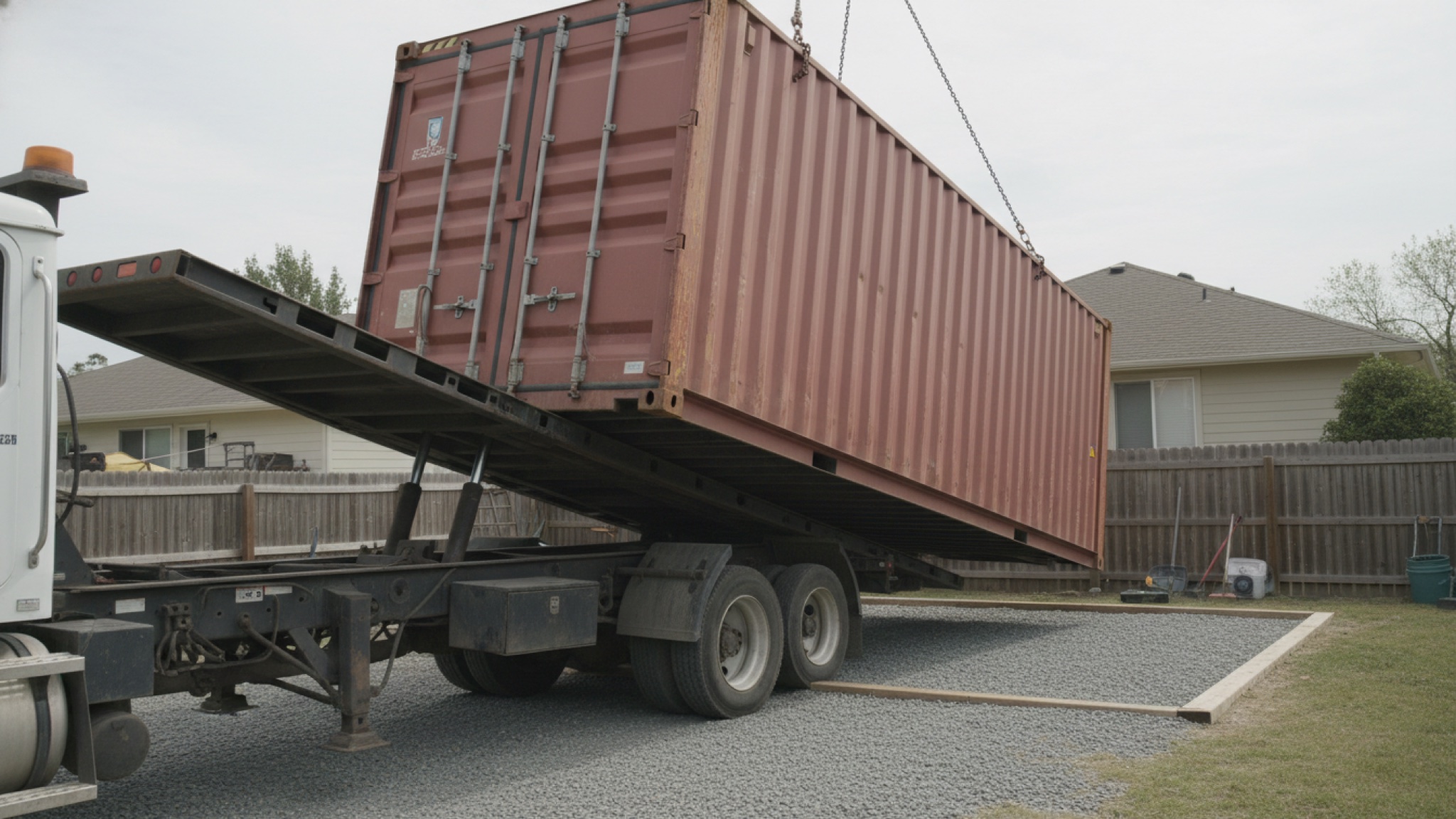
As you approach the final stages of your container-buying journey, an important step lies ahead: ensuring that the delivery and installation of your newly acquired shipping container are executed flawlessly.
This multi-faceted process entails the coordination of permits and documentation, site preparation, and alignment with the delivery company to facilitate a seamless transition.
Let’s dive into the logistics of securing the permissions to house your container, readying the area for its arrival, and syncing up with the delivery professionals who will transport your unit from port to its final destination.
With the proper groundwork, you’ll be poised to witness your container become a pivotal player in your operational landscape.
Securing the Necessary Permits and Documentation
The journey of owning a shipping container typically sails through a sea of bureaucracy before it reaches your dock. Before its arrival, you must gather all the required permits and documentation that your local regulations mandate. This could range from building permits and zoning approvals to specific environmental clearances, depending on where and how you plan to use the container.
Navigating this paperwork is non-negotiable; overlooking a single permit can anchor your project in legal limbo. Ensure every box is checked and every form is filed. Your attention to these details allows for a fluid transition into the next phase of delivery and installation:
| Documentation Type | Purpose | Authority Involved |
|---|---|---|
| Building Permit | Legalizes the installation of the container on your property | Local Municipality |
| Zoning Approval | Confirms usage complies with local land-use regulations | Zoning Board |
| Environmental Clearance | Ensures the container’s deployment adheres to environmental safeguards | Environmental Protection Agency |
Preparing Your Site for Container Arrival
Preparing your site for container arrival is more than clearing space; it’s about creating a stable and level foundation. Whether you’re positioning on concrete slabs or a compacted dirt area, confirm that the ground can bear the weight and provide a secure footing for your container.
Arrange access for the delivery vehicles, ensuring a clear route to accommodate the tilt-bed delivery truck’s size and any necessary equipment like a forklift. This proactive step prevents delays and provides a smooth handoff from the transporter to your site.
Coordinating With the Delivery Company for a Smooth Process
Clear communication is your best ally when you’re knee-deep in coordinating with your chosen delivery company. Ensure every detail, from the anticipated delivery timeline to the vehicle requirements, is laid out before the ship’s arrival to skirt delays and guarantee a seamless operation.
Your collaboration with the delivery service is foundational to the success of your container’s journey. They are fully briefed on-site specifics and any potential challenges they might face, such as narrow access points or unique delivery instructions, to mitigate risks and achieve a trouble-free installation.
You’re ready to transform your space with a shipping container. Let’s navigate the purchasing process to guarantee a seamless acquisition.
Tips for Ensuring a Smooth Buying Experience

Forging ahead in the pursuit of a shipping container, it’s paramount that your buying experience is seamless and safeguarded from potential hiccups.
To ensure this, emphasize vetting the seller’s credentials and sifting through reviews with a discerning eye, giving you the assurance needed to proceed confidently.
Pour energy into perusing every line of the purchase agreement, safeguarding your interests, and recognizing the commitments on both sides.
And remain attuned to the ebb and flow of container market trends, equipping yourself with the foresight to make astute choices in a dynamic landscape.
Keeping these strategies at the helm, you can navigate the buying process with understanding and avoid the pitfalls that might blindside an unprepared shopper.
Verify Seller Credentials and Reviews
Unveiling the trustworthiness of your shipping container supplier is non-negotiable: Solidify your peace of mind by verifying seller credentials and diving into reviews with deliberate attention. This check ensures the company’s legitimacy and exposes the quality of its customer service and products through the lens of other buyers’ experiences.
- Start with the company’s history and standing with the Better Business Bureau.
- Look for testimonials or feedback across various online channels, including better-known online marketplaces and niche industry forums.
- Confirm the provider’s authenticity through licensing and professional affiliations.
As your shipping container quest advances, authenticating seller reviews becomes a pivotal tool in your decision-making arsenal: Sift through the narratives of past customers to uncover patterns in service quality, product satisfaction, and response to issues. Your proactive approach could spotlight red flags or, conversely, endorse a supplier’s reputation, helping you navigate toward a credible and satisfactory partnership.
Thoroughly Review the Purchase Agreement
Immersing yourself into the fine print of the purchase agreement isn’t just prudent—it’s protective armor for your transaction. This detailed scrutiny ensures you’re not blindsided by hidden fees, restrictive clauses, or unexpected responsibilities that could surface after the handshake:
- Analyze every clause to ascertain your rights, the scope of the warranty, and the avenues available should a dispute arise.
- Clarify the payment schedule, applicable credit terms, and the conditions under which the deposit is forfeitable or refundable.
- Inspect the details surrounding delivery expectations, setup requirements, and who bears the expense burden should complications occur.
Arm yourself with understanding by asking questions and seeking clarity on any jargon that could muddy your comprehension of the agreement. This proactive approach signifies your expertise and ensures that every facet of the deal aligns precisely with your expectations and investment intentions.
Stay Informed About Container Market Trends
Keeping your finger on the pulse of container market trends is critical to carving out a favorable deal. Fluctuations in demand, influenced by factors ranging from global trade dynamics to regional construction booms, can significantly swing container availability and pricing.
Your astute observation of these trends equips you with the timing insights for an advantageous purchase and sharpens your negotiating leverage. Stay abreast of industry shifts and projections; this knowledge positions you as a savvy buyer in the dynamic shipping container marketplace.
Empower your project with the perfect shipping container by mastering the buying process. Stay with us as we unveil key strategies to sidestep the frequent mistakes buyers encounter.
Avoiding Common Pitfalls When Buying Shipping Containers

Embarking on the journey of acquiring a shipping container can be likened to steering through a labyrinth with its fair share of unexpected turns and hidden snares.
Keeping a keen eye on potential traps ensures a smooth safeguard for your investment.
Be vigilant for the stealthy creep of hidden costs and fees that could inflate your budget, gain a clear understanding of local regulations and restrictions to prevent compliance missteps, and persistently insist on a thorough container inspection to ward off future woes.
Armed with foresight and the intent to scrutinize, you stand to steer clear of the shadows and toward a successful purchase.
Watch Out for Hidden Costs and Fees
Embark on your quest for a shipping container with your eyes wide open to the specter of unexpected costs and fees. These financial pitfalls often lurk in the obscure recesses of transportation charges, insurance premiums, and customs duties, all of which can escalate your investment figures if left unchecked.
Insist on transparency from your supplier and scrutinize every quote for ancillary expenses that could slip under the radar. Your vigilance here is a decisive step to guard against budget overruns and ensure that the price you agree to is definitive and all-encompassing.
Know Your Local Regulations and Restrictions
Equipping yourself with a sharp understanding of local regulations and restrictions is not just beneficial—it’s imperative. Skipping this vital step can land your project in a quagmire of legal challenges that can impede progress or lead to significant fines.
Before you secure that steel structure for your latest venture, engage with local zoning offices to navigate the rules that govern container usage in your area. Procuring this information not only averts compliance headaches but also delineates the parameters within which you can optimize your container’s placement and purpose:
| Regulatory Aspect | Details to Consider | Impact on Your Purchase |
|---|---|---|
| Zoning Laws | Verify permissible uses for containers within different zones | Ensures the container’s use aligns with local land-use policies |
| Permit Requirements | Assess the need for building or placement permits | Prevents legal issues related to unauthorized installations |
| Covenants and Restrictions | Check for any homeowner association or deed restrictions | Avoids conflicts with established community guidelines |
Your proactive dive into local statutes’ fabric demonstrates diligence and primes you for a smooth ownership experience. Let this be your guidepost: the effort you invest in comprehending and conforming to local ordinances will pay dividends in operational tranquility and legal peace of mind.
Insist on a Detailed Container Inspection
Insisting on an in-depth container inspection could be the determining factor between securing an asset that stands the test of time and one that introduces an unwelcome stream of repair bills. Before finalizing your purchase, demand a comprehensive walkthrough to scrutinize every inch for potential defects, ensuring the container’s integrity meets your rigorous standards.
Engage with professionals who can detect subtleties in container health, delving beyond superficial assessments to uncover issues that could compromise the container’s utility. This meticulous attention during the inspection phase acts as a staunch defense against future frustrations, cementing the value of your investment.
Conclusion
Embarking on purchasing a shipping container necessitates careful preparation and informed decision-making to ensure a smooth acquisition.
A comprehensive guide, such as “A Guide to Unraveling the Steps to Buy Shipping Containers,” is an invaluable resource, demystifying the process through a series of logical and critical steps.
By understanding the nuances of your needs, discerning between new and used conditions, familiarizing yourself with industry jargon, and methodically navigating the buying process, you position yourself to make a strategic investment.
Such a guide empowers you to examine container grades, accurately assess size requirements, explore customization options, and prepare diligently for delivery and installation.
Moreover, it underscores the importance of verifying seller credentials, thoroughly reviewing purchase agreements, staying abreast of market trends, and avoiding common pitfalls like hidden costs and compliance missteps.
Through close attention to detail and adherence to the steps outlined, you ensure not only the acquisition of a container that meets your requirements but also the realization of your project’s full potential.
A structured approach, backed by a step-by-step guide, transforms purchasing a shipping container into an achievable and confidence-inspiring endeavor.