
Your Guide to Buying Steel Shipping Containers: Options for Sale Explored
Navigating through the maze of options for steel shipping containers may seem daunting at first, but it’s an essential step for various logistics, storage, or construction needs.
Whether you’re contending with the corrosion resistance of weathering steel or calculating the necessary volume for your cargo, understanding the nuances of your options can save you both time and money.
Factor in elements like warranty, vendor reputation, and accessibility based on your zip code, and you’ve got a complex decision.
Knowing the right questions about size, features, and price aids in making a sound investment.
Keep reading to unveil the critical factors that will steer your decision in the right direction.
Key Takeaways
- Assessing Container Grades Is Critical for Aligning With Quality and Cost Expectations
- Standard and Custom Container Sizes Offer Flexibility for Space Requirements in Transport and Storage
- Enhanced Features Like Security Locks and Climate Control Are Vital for Protecting Sensitive Cargo
- Understanding the Purchasing Timeline and Delivery Logistics Is Essential for Project Coordination
- Evaluating Vendor Reputation, Warranty, and Customer Service Can Dictate Long-Term Satisfaction
Understanding the Types of Steel Shipping Containers

Embarking to acquire a steel shipping container can be akin to navigating a sprawling metal jungle—numerous paths exist, each leading you to a dizzying array of options.
Whether seeking to maximize security for your cargo or creating an unorthodox construction, understanding the nuances between new and gently weathering steel structures is essential.
You’ll likely grapple with the debate of buying pristine versus seasoned units, each with its inherent warranty promises.
Moreover, delving into the labyrinth of specialized containers could unveil solutions tailored to your peculiar logistical requirements.
As you equip yourself with knowledge of the factors that dictate container grades, rest assured that grasping these fundamentals empowers you to make a choice that aligns seamlessly with your retail ambitions or personal ventures.
Differentiating New and Used Containers
When surveying steel shipping containers for purchase, the condition is a prime factor influencing your decision. Buying new ensures you get a pristine unit, likely with a manufacturer’s warranty, providing peace of mind regarding the longevity and condition of your asset. Placing your trust in a brand-new container also means you’re introduced to an untouched product that hasn’t been compromised by previous loads or exposed to harsh elements.
In contrast, opting for a used shipping container might be viable if your budget is tighter or if a few dents and a rustic patina aren’t deal-breakers. These logistics industry veterans have proven their durability, but expect them to bear signs of wear and varying degrees of weathering. While they may lack the sterling exterior of their new counterparts, used containers often come with a rich history and a much-reduced price tag, offering a cost-effective solution to your storage or construction needs.
Specialized Containers for Unique Needs
Imagine standing before a fleet of specialized containers, each engineered for a unique purpose. You’ll uncover a world where the conventional steel cube transforms to meet specific demands: refrigerated units safeguard perishable goods through precise temperature control; open-top containers allow for materials like tall machinery that exceed standard height restrictions.
- Refrigerated containers offer the perfect climate for temperature-sensitive cargo.
- Open-top units enable the transportation of oversized items without height constraints.
- Tank containers provide a secure means of carrying liquids and gases.
- Insulated models protect sensitive cargo from extreme temperature fluctuations.
- Flat rack containers accommodate heavy machinery and construction materials.
For goods that demand the utmost security – your options extend to containers equipped with advanced locking systems. If your venture steers toward construction, you may consider a conex box, prized for its versatility and ease of modification. These specialty containers offer solutions beyond storage, adapting to your unique logistical challenges with precision.
Factors Defining Container Grades
Evaluating steel shipping containers is essential to account for various grades that signal a container’s condition. Factors like age, condition, and prior usage will determine its grade and, subsequently, its suitability for your specific needs—be it for secure cargo shipping or a bespoke construction project. Think of grades as a snapshot of a container’s lifecycle, giving you insight into what to expect regarding appearance and functionality.
The highest grade units, often called ‘one-trip’ containers, tend to reflect a near-new state, having made a single journey across the seas. Contrastingly, the more seasoned containers might show clear signs of wear, from surface rust on weathering steel to the occasional dent or scrape. Regardless of which grade resonates with your requirements, assessing these details ensures you align your choice with your expectations on quality and cost, safeguarding your investment.
You’ve explored the vast array of steel shipping containers, each with unique strengths, like the robust weathering steel that defies the elements. Now, let’s unlock the secrets of size and dimension that perfectly tailor your choice.
Assessing Size and Dimension Options

Choosing the right size and dimensions for your steel shipping container is a pivotal decision directly impacting your operational efficiency.
You stand at a crossroads where understanding standard sizes available in the market and weighing their suitability against your needs is invaluable.
From safeguarding tools and machinery to storing volumes of retail inventory—each task demands a careful consideration of space.
Are you pondering a container that snugly fits a compact job site or perhaps requires a sprawling space to manage a vast cargo?
Should the standard offerings not meet your requirements, worry not; custom sizing solutions can rise to the occasion, with vendors ready to tailor containers to your precise specifications.
As you advance toward making this crucial selection, let’s explore the typical and tailored container options that set the stage for efficiency in transportation, storage, and beyond.
Standard Sizes and When to Use Them
If you’re venturing into securing a steel shipping container, familiarizing yourself with the standard sizes is essential. The most commonly sought-after lengths are 20 and 40 feet, which present an ideal balance of accessibility and volume for various shipping and storage needs, from the transportation of heavy equipment to maintaining surplus inventory.
When your project is unique in its scope, a 10-foot or a high-cube option with additional height might align more precisely with your demands. A 10-foot container allows for more flexible positioning in tighter spaces, while the extra vertical space of a high cube is perfect when tackling taller items like forklifts or machinery without compromising on the efficiency of your site logistics.
Custom Sizing Solutions for Specific Requirements
Custom sizing emerges as your savior if your project defy the standard dimensions. Tailored containers offer the flexibility to accommodate the unique scale of your cargo or construction plans, ensuring every inch of space is utilized to the maximum.
Your vision might entail a container that mirrors the precise length, height, and width required to transport heavy machinery or to set up a temporary office space. Collaborating with vendors specializing in custom solutions can bring this to fruition while keeping the cost and construction timeline within sensible bounds, reinforcing the project’s feasibility.
- Expand beyond conventional sizes with customizable container options.
- Ensure every space requirement is met for transportation or construction projects.
- Collaborate with vendors for tailored solutions that adhere to your specific dimensions.
Now that we’ve navigated the realm of sizes and dimensions, let’s shift gears! Prepare to uncover the robust features of steel shipping containers that set them apart.
Exploring the Features of Steel Shipping Containers
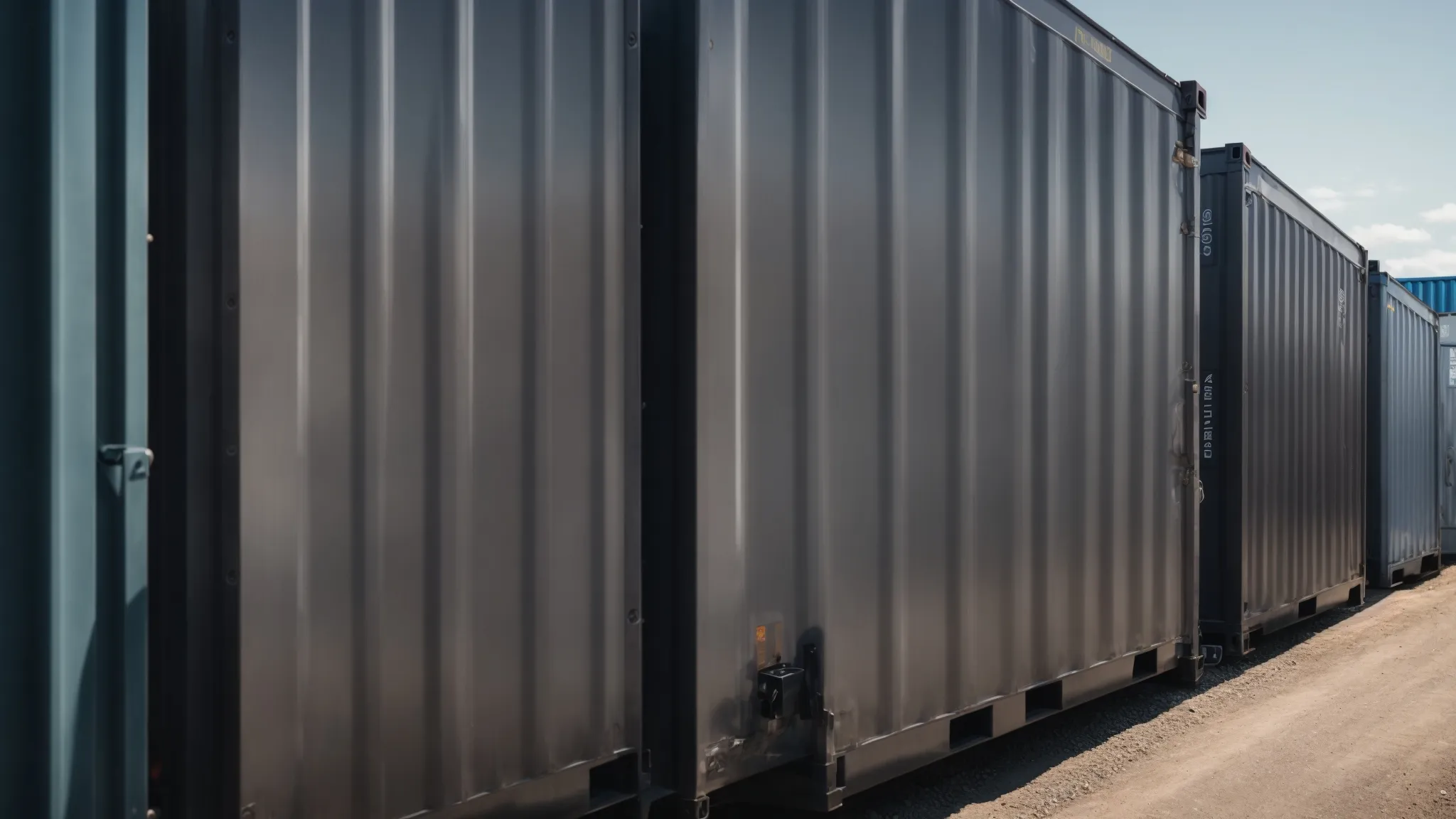
When you’re on the cusp of purchasing a steel shipping container, the attributes you choose can significantly elevate its utility and protection.
Contemplating enhanced security features may lead you to containers equipped with robust locking mechanisms, safeguarding your cargo amid transit and storage.
Additionally, if your goods are sensitive to temperature fluctuations, exploring insulation and climate control options could be pivotal for preserving their integrity.
Delving into door variations and opening mechanisms will also influence your container’s functionality—whether you need easy access for loading heavy equipment or a secure seal against the elements, selecting the appropriate door type is critical.
The amalgamation of these features determines the suitability of a steel shipping container to fulfill your specific requirements while offering resilience and reliability.
Security Enhancements and Locking Mechanisms
Ensuring your cargo remains unbreached hinges on the security mechanisms of your steel shipping container. Manufacturers are at the forefront of innovation, offering locking systems ranging from traditional padlock arrangements to sophisticated bolt seals and crossbar locks designed to deter unauthorized access and provide you with peace of mind.
Your quest for optimal security might steer you toward state-of-the-art containers equipped with lock boxes or advanced electronic lock systems, which limit access to a select few. These enhanced features protect against tampering and theft, cementing the safety of your valuable goods throughout the rigors of shipping and stationary storage.
Insulation and Climate Control Options
Imagine venturing into your storage needs with armor against the fickleness of weather; steel shipping containers’ insulation and climate control options are your stalwarts. These modifications can be pivotal when your cargo is susceptible to spoilage due to temperature shifts, presenting a barrier against the cold winter winds or the summer’s blistering heat.
Whether you are storing pharmaceuticals that demand a stable environment or shipping food products across varying climates, climate-controlled containers offer a reliable solution. Think of these containers as guardians that regulate the internal atmosphere, ensuring your goods remain in top condition, regardless of outside temperatures.
| Container Feature | Benefits |
|---|---|
| Insulation | Protects sensitive cargo from extreme external temperature changes |
| Climate Control Systems | Maintains a consistent internal climate, essential for perishable or delicate goods |
Door Types and Opening Mechanisms
Choosing the right door type and opening mechanism can significantly influence your shipping container’s use. Tailored to your use case, selecting a standard swing door option may suffice for general cargo, while a roll-up door could better serve frequent access needs.
Consider the ergonomics of door operation if your container will see high traffic: doors that are easy to open and close can save time and reduce strain for those interacting with them daily. Enhanced door security should also be on your radar if protecting valuable contents is a priority; sturdy locking systems and reinforced doors offer an additional layer of deterrence against intrusion.
| Door Type | Function | Best for |
|---|---|---|
| Standard Swing Doors | Traditional open-out mechanism | General storage and shipping needs |
| Roll-up Doors | Vertical rolling mechanism for easy access | Frequent loading and unloading operations |
| Reinforced Doors | Additional security features integrated | High-value cargo protection |
With a clear understanding of steel shipping containers beneath your belt, it’s time to steer through the acquisition maze. Buckle up as we shift gears to demystify the buying journey, ensuring a seamless transition from curiosity to ownership.
Navigating the Purchase Process

Embarking on the journey of purchasing a steel shipping container brings you to a crucial juncture in your quest for the right solution to your logistical or construction-related challenges.
It’s not just about pinpointing the ideal container; it’s also about unraveling where to find them, comprehending the timeline of the purchasing process, and grappling with the nuances of shipping and delivery.
A systematic approach will streamline these steps, whether you’re a seasoned purchaser familiar with the particulars of the industry or delving into this arena for the first time.
This guide paves the way for a seamless transaction and ensures your chosen container lands at your desired destination efficiently.
Where to Find Steel Shipping Containers for Sale
Locating steel shipping containers for sale offers various avenues catered to your specific needs and location. From trusted vendors in industrial hubs to the increasingly popular online marketplaces that compile listings nationwide, you are sure to find a source that stocks the exact type, size, and grade of container required for your project:
- Research local vendors specializing in steel shipping containers to inspect options in person and discuss customization.
- Explore online retailers that provide detailed inventories and offer delivery to your zip code.
- Consider equipment rental companies; some may offer shipping containers for sale in addition to renting.
Before you commit to a vendor, don’t forget to review their customer service record and privacy policy. Excellent customer service can significantly ease the process, especially if you’re new to buying these robust units, while a clear privacy policy ensures your personal and financial data remains secure throughout the transaction.
Understanding the Buying Timeline
Understanding your steel shipping container purchase timeline is crucial for synchronizing it with your business operations or personal project milestones. Every step, from selecting to acquiring your container, is threaded with timelines that can vary greatly depending on various factors: availability, customization requirements, and delivery logistics.
An informed buyer tracks each phase of the procurement cycle to adequately predict their asset’s arrival. Here’s an outline of key stages along the timeline of purchasing a steel shipping container:
- Initial Inquiry: The period between your first contact with a vendor and their response with available inventory options and quotes.
- Decision Making: The time you require to evaluate options, possibly including site visits or further discussions with the vendor.
- Purchase and Paperwork: Finalizing the choice, paying any associated fees, and processing documentation can be immediate to several days.
- Container Preparation: This phase could extend the timeline substantially if you opt for modifications or additional features.
- Delivery: Depending on distance, transportation mode, and local logistics, the shipping timeline could range from a few days to several weeks.
By familiarizing yourself with these intervals, you can schedule your tasks accordingly and manage expectations around the overall time investment from browsing to the on-site arrival of your shipping container.
Shipping and Delivery Considerations
Approaching the final stage of securing a steel shipping container, it’s paramount to grasp the nuances of shipping and delivery. Considering your location, including the intricacies of New Jersey’s bustling ports or the byways of a more secluded zip code, will dictate the logistics involving your container’s journey. Factors in the size and weight of your chosen unit may call for specialized transport, such as a tilt-bed delivery truck built for containers, affecting the overall cost and delivery schedule.
Your attention must also pivot toward the delivery site’s accessibility: can a forklift maneuver efficiently, and is ample space for the truck to offload the container without hindrance? Equally important is to confirm whether any permits are needed for the container’s placement or if there are any local regulations concerning delivery. Clear communication with your vendor’s customer service about these details will prevent unexpected fees and ensure your shipping container transition becomes a seamless extension of your procurement success.
Congratulations – you’re on the cusp of securing a robust solution for your storage needs! It’s time to shift your attention to the crucial aspect of any investment: budgeting for your steel shipping container.
Budgeting for Your Steel Shipping Container

As your journey toward acquiring a steel shipping container unfolds, your budget becomes the foundation upon which your choices are built.
Estimating the total cost, including potential delivery fees, nudges you towards a clear financial picture, helping you explore suitable containers without stretching your means.
Will you pay outright, or does leasing offer a more palatable pathway?
Perhaps a vendor offers financing and flexible payment plans that align with your cash flow.
Navigating these financial waters confidently requires a blend of savvy cost analysis and awareness of payment alternatives, setting the stage for a purchase that complements your logistical needs and fiscal health.
Estimating Total Costs Including Delivery
Peering into your financials reveals that pinpointing the precise expenditure for a steel shipping container extends beyond the sticker price. Consider transportation as a pivotal piece, which hinges on factors such as the container’s size, weight, and the journey it must undertake from the point of sale to your locale.
Mapping out delivery costs ensures unforeseen expenses don’t blindside you. Inquire thoroughly about the delivery fees, which fluctuate based on the distance and logistics intricacies, assuring that the final price aligns with your initial budgetary expectations before sealing the deal.
Exploring Financing and Payment Plans
Exploring financing and payment plans can unfold avenues that bring your steel shipping container within reach without straining your budget. Vendors may present leasing arrangements or staggered payment options, offering you the leeway to balance the costs over time.
| Payment Option | Benefit | Suitability |
|---|---|---|
| One-Time Payment | Immediate ownership with no interest fees | Buyers with available capital |
| Leasing | Lower upfront cost, flexibility to return or buy | Short-term needs or financial flexibility |
| Financed Purchase | Spread cost over time, potential tax benefits | Long-term investment with budget constraints |
Mull over these payment solutions mindfully: consider the period of your container’s intended use, assess any potential tax advantages, and weigh this against the cost implications of each option. A thorough comparison could reveal the perfect financial pathway to secure your shipping container, aligning with project duration and economic conditions.
Ready to transform those budget plans into action? Finding the right vendor is your next thrilling move toward securing a steel shipping container.
Evaluating Vendors for Steel Shipping Containers
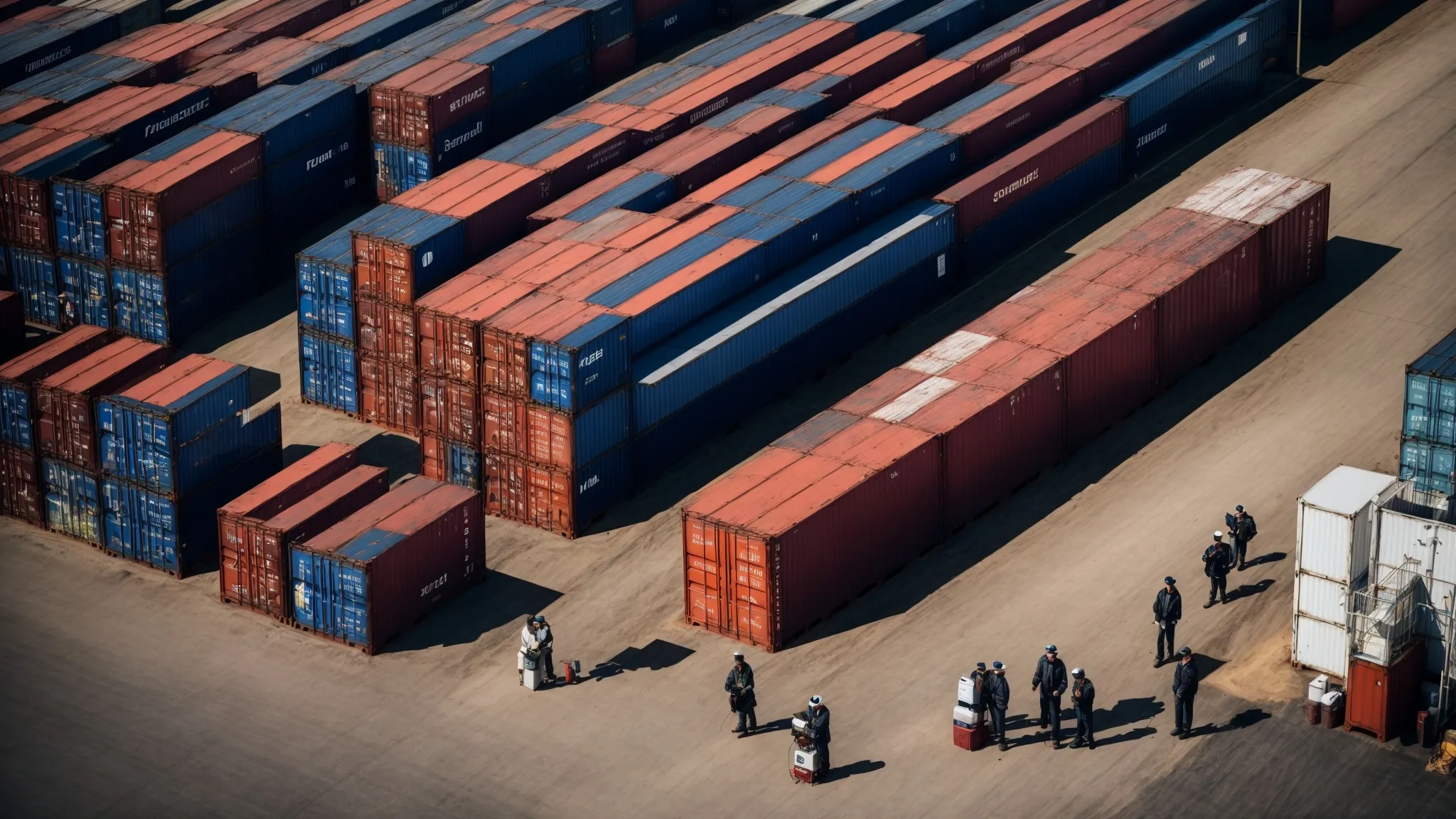
As you carve a path through the myriad options of steel shipping containers for sale, pausing momentarily to scrutinize prospective vendors becomes indispensable.
You’re not just purchasing a product; you want assurance that the entity behind your container is reputable and reliable.
A thorough investigation into a vendor’s background, endorsement of warranties, and the support offered after a sale should be on your agenda.
Scouring through customer reviews and testimonials gives you a glimpse into real-world experiences, fortifying your confidence in the choice you’re about to make.
The integrity of your project hinges on the legitimacy and service quality of your supplier, so take this step with the diligence it demands.
Researching Vendor Reputation and Reliability
When pursuing the perfect steel shipping container, prioritizing a vendor’s reputation and reliability is non-negotiable. By initiating research through industry forums, social media, and direct customer feedback, you gain invaluable insight into the vendor’s track record of delivering quality containers and adhering to their promises.
Reliable vendors stand out by offering transparency in their dealings, showcasing their portfolio of successfully executed orders, and upholding a responsive customer service ethos. Choose to partner with a supplier whose steadfastness and positive rapport with clients is evident, ensuring your container meets your specifications and expectations for quality and longevity.
Warranty and After-Sale Support
Scrutinizing a shipping container vendor’s warranty and after-sale support policies is a vital step in securing long-term value. A substantial warranty signals the vendor’s faith in their product’s resilience and readiness to address potential defects or issues.
After purchase, the availability and quality of customer service resources reflect how well you’ll be supported throughout the life of your container. Seek vendors that emphasize accessible, helpful follow-through, showcasing a commitment that extends beyond the initial sale.
| Aspect | Consideration |
|---|---|
| Warranty Length | Vendors should offer multiple channels for support, including phone, email, or live chat. |
| Scope of Warranty | Understand what aspects of the container are covered, such as corrosion, structural integrity, or roof and door functionality. |
| Customer Service Accessibility | A quick and effective response to queries or issues can indicate a vendor’s commitment to after-sale support. |
| Responsiveness | A quick and effective response to queries or issues can be indicative of a vendor’s commitment to after-sale support. |
Reading Customer Reviews and Testimonials
Immersing yourself in customer reviews and testimonials sheds light on the experiences of those who have already navigated the path you’re about to take. Embrace this feedback as it often reveals critical insights into the vendor’s reliability and the quality of their steel shipping containers, guiding your decision with the wisdom of crowd-sourced knowledge.
Give weight to the narratives within these testimonials, as they can highlight the vendor’s triumphs and shortcomings in areas like customer service responsiveness and the on-the-ground reality of delivery logistics. Your informed choice is fortified when backed by a community consensus that echoes your expectations for excellence and satisfaction.
Conclusion
The guide to buying steel shipping containers offers a comprehensive roadmap for potential buyers.
It emphasizes the importance of understanding the differences between new and used containers, the specialized types available for unique needs, and the various container grades.
Sizing and dimension choices are crucial for operational efficiency, while container features like security enhancements, insulation, and door types can tailor the unit to specific requirements.
Prospective buyers must navigate the purchase process carefully, weighing the factors like location, buying timeline, delivery considerations, and total costs including potential delivery fees.
Financing and payment options must also be considered to fit one’s budget.
Lastly, evaluating the vendor’s reputation, the extent of warranties, and after-sale support is vital to ensuring a high-quality purchase that meets logistical and fiscal needs.
This guide aims to empower buyers with the knowledge needed to make informed decisions that align with their objectives, ensuring a seamless acquisition of the right steel shipping container.