
Introduction to Shipping Containers
Initially designed for transporting goods globally, shipping containers have transcended their traditional role and are now a popular choice for storage solutions. This rise in popularity and their subsequent repurposing have led to a greater focus on understanding shipping container dimensions.
Before you settle on a size, read why 20-foot units are the hard ones to get this fall — availability is now part of the 20-versus-40 decision, not just footprint and price.
Size choice has a market angle right now — see why used 40-foot containers are getting harder to find — the supply shift is concentrated in 40-foot high cubes, which makes the sizing decision below more consequential than usual.
Dimensions are only half the decision — once you know the measurements, our guide to choosing between a 20-foot, 40-foot, or high cube container walks through the price-per-square-foot math and the site checks that should drive your final size choice.
Size isn’t only a storage question — it changes what delivery costs. See how container delivery and site prep change with the size you pick before you commit to a 20-foot or 40-foot unit.
The Rise of Shipping Containers for Storage Purposes
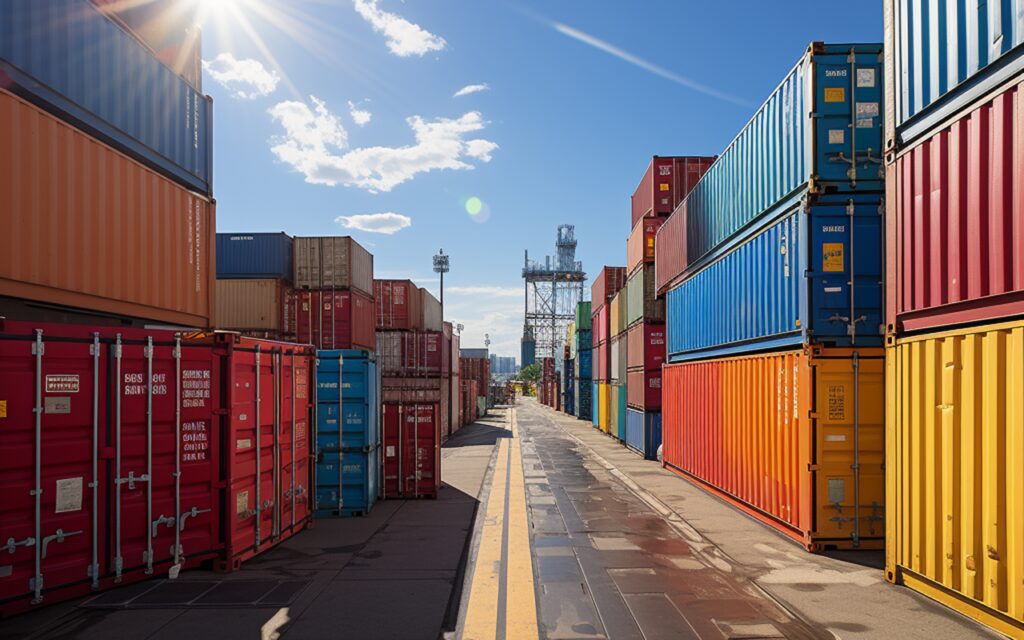
Over the years, shipping containers have emerged as a versatile and durable storage solution. Their robust construction allows them to store various items, from personal belongings to business inventory. This has led to increased usage, not just as transport vessels but as reliable storage units.
The growing trend of shipping container homes for sale also sheds light on the versatility of these containers. In addition to storage and transport, they are being transformed into comfortable, stylish, and affordable living spaces.
Shipping containers come in various sizes to cater to different needs. Whether you’re a homeowner looking for additional storage space or a business owner needing a large storage unit, a shipping container fits the bill.
The Importance of Understanding Shipping Container Dimensions
Knowing the dimensions of a shipping container is crucial to making the most of its storage potential. You can plan your storage or space requirements effectively with accurate knowledge of shipping container dimensions.
For instance, understanding the shipping container sizes can help you decide whether a 20-foot container is sufficient for your needs or if a 40-foot container would better serve your purpose.
Moreover, being aware of the dimensions can assist in figuring out the container’s placement. It can help determine if a specific location has enough space to accommodate the container, especially when looking for shipping containers for sale near me.
Lastly, understanding the size and capacity of a shipping container is vital if you’re considering purchasing used shipping containers for sale. The dimensions can give you an idea of the container’s condition and how much it can hold.
Stay tuned as we delve deeper into shipping container’s standard and specialized dimensions, helping you supercharge your storage space!
Standard Shipping Container Dimensions
When exploring storage solutions, it’s essential to understand the dimensions of the available options, especially if you’re considering shipping containers. The standard sizes for shipping containers are 20-foot and 40-foot units.
20-foot Shipping Container Dimensions
A 20-foot shipping container is a popular choice for homeowners and business owners. This size is compact enough for residential use yet offers ample storage space for various items, ranging from furniture to business inventory.
The standard external dimensions of a 20-foot shipping container are:
- Length: 20 feet
- Width: 8 feet
- Height: 8.6 feet
Internally, a 20-foot container typically has the following dimensions:
- Length: 19.4 feet
- Width: 7.8 feet
- Height: 7.9 feet
These dimensions offer a total internal volume of approximately 1,170 cubic feet.
| 20-foot Shipping Container | Dimensions (feet) |
|---|---|
| External Length | 20 |
| External Width | 8 |
| External Height | 8.6 |
| Internal Length | 19.4 |
| Internal Width | 7.8 |
| Internal Height | 7.9 |
40-foot Shipping Container Dimensions
If you need more storage space, a 40-foot shipping container might better fit your needs. Businesses commonly use this size, but it’s also suitable for homeowners with larger storage requirements.
The standard external dimensions of a 40-foot shipping container are:
- Length: 40 feet
- Width: 8 feet
- Height: 8.6 feet
Internally, a 40-foot container typically has the following dimensions:
- Length: 39.5 feet
- Width: 7.8 feet
- Height: 7.9 feet
These dimensions offer a total internal volume of approximately 2,390 cubic feet.
| 40-foot Shipping Container | Dimensions (feet) |
|---|---|
| External Length | 40 |
| External Width | 8 |
| External Height | 8.6 |
| Internal Length | 39.5 |
| Internal Width | 7.8 |
| Internal Height | 7.9 |
Understanding the standard dimensions of shipping containers can help you determine the best fit for your storage needs. Remember to consider both the external and internal dimensions when planning your space. If you’re interested in discovering more about shipping containers, check out our articles on shipping container sizes and used shipping containers for sale.
Specialized Shipping Container Dimensions
While standard shipping containers are a popular choice for storage and transport, specialized shipping containers offer additional features that may better suit your specific needs. Let’s take a closer look at the dimensions of two types of specialized containers: high-cube shipping containers and open-top shipping containers.
High Cube Shipping Container Dimensions
High-cube shipping containers are a great choice if you’re looking for extra vertical space. They’re similar to standard shipping containers in length and width but offer an additional foot in height. This extra space can be a game changer when storing taller items or converting the container into a living or working space.
Here are the dimensions for high-cube shipping containers:
| Container Size | Exterior Dimensions (L x W x H) | Interior Dimensions (L x W x H) |
|---|---|---|
| 20-foot High Cube | 20′ x 8′ x 9.5′ | 19’4″ x 7’8″ x 8’10” |
| 40-foot High Cube | 40′ x 8′ x 9.5′ | 39’5″ x 7’8″ x 8’10” |
Remember, the extra height of the high cube containers can also impact transportation costs and site preparation. Be sure to check local regulations and requirements before purchasing. For more information on different shipping container sizes, check out our article on shipping container sizes.
Open Top Shipping Container Dimensions
As the name suggests, open-top shipping containers have a removable top, allowing for loading items from above. These containers are handy when dealing with oversized items or materials that must be loaded from above.
Here are the dimensions for open-top shipping containers:
| Container Size | Exterior Dimensions (L x W x H) | Interior Dimensions (L x W x H) |
|---|---|---|
| 20-foot Open Top | 20′ x 8′ x 8.5′ | 19’4″ x 7’8″ x 7’10” |
| 40-foot Open Top | 40′ x 8′ x 8.5′ | 39’5″ x 7’8″ x 7’10” |
When considering an open-top container, remember that while they offer flexibility for loading, they may not provide the same level of protection from the elements as a standard or high cube container.
Understanding specialized shipping container dimensions can help you select the right container for your needs. Whether considering a high cube for its extra height or an open top for convenient loading, understanding shipping container dimensions can help you make an informed decision. For more options, explore our listings of shipping containers for sale near me.
Understanding Interior and Exterior Dimensions
Understanding the interior and exterior dimensions is crucial when considering purchasing a shipping container as a storage solution. These measurements significantly affect how much you can store and where you can place your container.
The Importance of Interior Dimensions
The interior dimensions of a shipping container directly impact the volume of items you can store. It measures the container’s length, width, and height, determining the total available storage space.
The interior dimensions tell you how much room you must use inside the container. This is particularly important when planning to store large items or maximize storage capacity.
Let’s take a look at the standard interior dimensions for two common sizes of shipping containers:
| Container Type | Interior Length (ft) | Interior Width (ft) | Interior Height (ft) |
|---|---|---|---|
| 20-foot container | 19.4 | 7.8 | 7.10 |
| 40-foot container | 39.5 | 7.8 | 7.10 |
These measurements give you a clear idea of the storage capacity of each container type. If you want more information on different sizes, check out our article on shipping container sizes.
The Role of Exterior Dimensions
While the interior dimensions give you an idea of storage capacity, the exterior dimensions are just as important. These measurements can help determine whether you have enough space to accommodate the container in your chosen location.
The exterior dimensions can also impact the delivery and placement of your shipping container. You must ensure enough room for the delivery truck to maneuver and that the container can be placed without infringing on property lines or public spaces.
Here are the exterior dimensions for the same two common sizes of shipping containers:
| Container Type | Exterior Length (ft) | Exterior Width (ft) | Exterior Height (ft) |
|---|---|---|---|
| 20-foot container | 20 | 8 | 8.6 |
| 40-foot container | 40 | 8 | 8.6 |
By understanding the interior and exterior dimensions of shipping containers, you can make an informed decision when choosing the right container for your storage needs. This knowledge will help you select a container with optimal storage capacity and fit into your available space. Interested in buying a shipping container? Check out our options for shipping containers for sale near me.
Optimizing Your Space
Knowing the dimensions of your shipping container is just the first step. Next is optimizing the available space to meet your specific storage needs. Let’s explore some tips for maximizing your storage space and the key factors to consider when choosing a shipping container.
Tips for Maximizing Storage Space
You can get the most out of your shipping container by implementing a few effective storage techniques:
- Use Vertical Space: Don’t forget to use the height of your shipping container. Installing shelves or stacking boxes can help you utilize the full height of the container.
- Organize Items: Group similar items together and label everything clearly. This will make it easier to find items when you need them.
- Leave a Pathway: Ensure you leave a clear path for easy access to your items, especially those at the back of the container.
- Use Efficient Packing Methods: Disassemble furniture, use vacuum bags for clothes, and nest smaller items inside larger ones to save space.
- Regularly Declutter: Regularly go through your stored items and remove anything you no longer need.
By optimizing your storage space, you can get the most out of the volume provided by your shipping container’s dimensions.
Key Factors to Consider When Choosing a Shipping Container
When deciding on which shipping container to purchase, consider the following factors:
- Purpose: What will you be storing in the container? The types of items you plan to store can influence the size and type of container you need.
- Location: Where will you be placing the container? You need to ensure enough space for the container at your location.
- Security: Consider the security features of the container. Does it have lockable doors and secure windows?
- Budget: The cost of shipping containers can vary based on size, condition, and type. Always consider your budget when choosing a container.
- Condition: New containers may cost more, but they’re likely to be in better condition than used ones. If you’re considering used shipping containers for sale, always check their condition before purchasing.
- Dimensions: Make sure you clearly understand the shipping container sizes to make sure it suits your storage needs.
The key to choosing the right shipping container is understanding your needs and researching. Whether you’re looking for shipping container homes for sale or need extra storage space, knowing your shipping container dimensions and optimizing your space can help ensure you make the right choice.
Common Questions about Shipping Container Dimensions
When understanding shipping container dimensions, some common questions often arise. These questions are important when deciding on the right container for your storage needs.
Are All Shipping Containers the Same Width?
In the world of shipping containers, the standard width is 8 feet. This measurement applies across the board, whether looking at a 20-foot container, a 40-foot container, or even a high cube or open-top container. The consistent width simplifies matters when you’re planning your storage space or if you’re considering shipping container homes for sale.
What is the Standard Height of a Shipping Container?
Shipping containers come in varying heights. The standard height for most containers is 8.5 feet. However, if you need more vertical space, you might want to consider a high cube container, which stands a bit taller at 9.5 feet. It’s essential to consider the height of a container, especially when storing tall items or planning a shipping container home.
| Container Type | Height |
|---|---|
| Standard Container | 8.5 feet |
| High Cube Container | 9.5 feet |
How Much Can a Shipping Container Hold?
The capacity of a shipping container largely depends on its length and height. For instance, a standard 20-foot container can hold about 1,170 cubic feet, while a 40-foot container can accommodate approximately 2,385 cubic feet. If you opt for a high cube container, you’ll have even more space due to the additional height.
| Container Type | Capacity (cubic feet) |
|---|---|
| 20-foot Standard Container | 1,170 |
| 40-foot Standard Container | 2,385 |
| 40-foot High Cube Container | 2,660 |
When planning your storage needs, it’s important to consider not only the overall capacity of the container but also how you will organize the items within it. Proper organization can help you optimize your storage space. Check out our article on shipping container sizes for more information on choosing the right container for your needs.
Understanding the dimensions of a shipping container is crucial when selecting the right container for your needs. Whether you’re a homeowner looking for extra storage or a business owner needing a cost-effective storage solution, shipping containers offer a versatile and durable option.