
On January 1, 2026, the maritime industry entered a new era of accountability. The International Maritime Organization (IMO) implemented sweeping amendments to international shipping treaties that now require ship masters to report every shipping container lost or spotted adrift at sea. For the first time in shipping history, container losses will be tracked in a centralized global database rather than going unreported or underestimated.
While these rules primarily affect ocean carriers and international shippers, they signal an industry-wide shift toward transparency and safety that resonates far beyond the high seas. If you’re considering buying a shipping container or renting one for storage, understanding what drives quality and reliability in the container industry matters more than you might think.
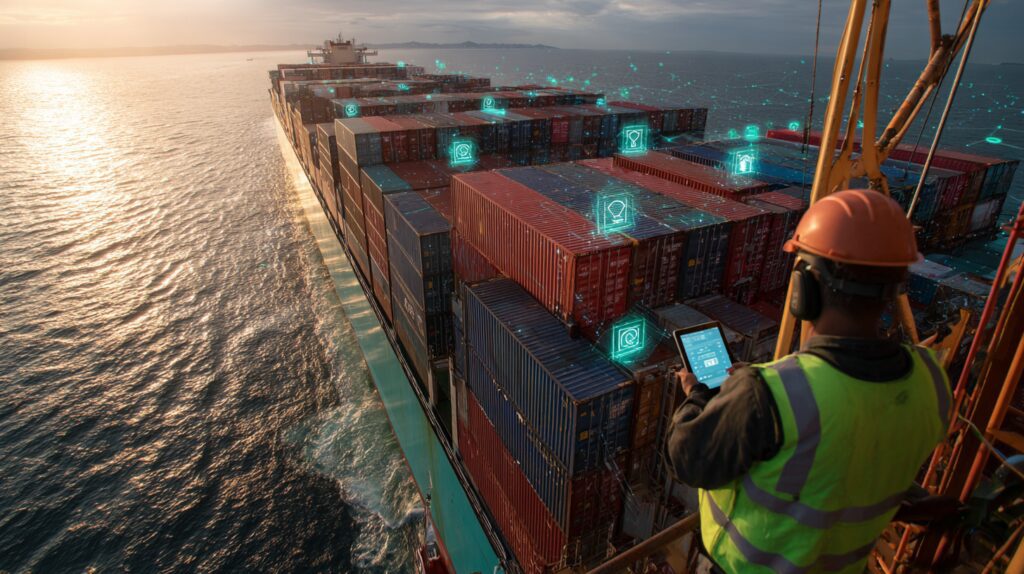
What Changed on January 1, 2026
The IMO amended two critical maritime safety treaties: the International Convention for the Safety of Life at Sea (SOLAS) Chapter V and the Protocol I to the International Convention for the Prevention of Pollution from Ships (MARPOL). These changes create the first comprehensive, mandatory reporting system for container losses at sea.
Under the new rules, ship masters must report detailed information whenever containers are lost or observed floating in the ocean. This includes the ship’s identity and position, the number and types of containers involved, whether dangerous goods were aboard, and whether any pollution resulted from the incident. All reports flow into the IMO’s Global Integrated Shipping Information System (GISIS) database, creating an unprecedented record of container safety incidents worldwide.
The changes weren’t made lightly. According to the World Shipping Council’s Container Lost at Sea report, an estimated 1,566 containers were lost at sea in 2023 alone. While that number represents a tiny fraction of the millions of containers shipped annually, even a single 20-foot or 40-foot steel container drifting semi-submerged can pose serious hazards to smaller vessels. It can damage coastal ecosystems when it washes ashore, or spill cargo that pollutes marine environments.
Why Container Losses Happen and What They Reveal About Quality
Container losses at sea typically stem from a handful of preventable causes: inadequate lashing and securing systems, poor stowage practices that create unstable loads, severe weather that exceeds the vessel’s handling capacity, or structural failures in containers themselves. In some cases, containers that appear seaworthy on inspection may have hidden corrosion, weakened corner posts, or compromised locking mechanisms that fail under the stress of ocean transport.
The mandatory reporting requirement will shine a light on patterns that have long been obscured. When losses were underreported or went unreported entirely, it was difficult for regulators, insurers, and industry stakeholders to identify systemic problems with specific container types, age ranges, or maintenance practices. With full transparency, the industry can track which containers fail most often and under what conditions.
This matters because the same structural integrity issues that cause containers to fail at sea can compromise their reliability on land. A container with corroded corner posts, weakened flooring, or damaged door seals might survive a short ocean voyage before catastrophic failure. However, those same weaknesses make it a poor choice for long-term ground storage where your belongings need protection from weather, pests, and potential theft.
What the New Rules Mean for Shippers and Insurers
For beneficial cargo owners (BCOs) and logistics managers, mandatory reporting changes the risk calculation. Insurance underwriters will now have access to granular data on container incidents, route-specific risks, and carrier performance. This could lead to more accurate premium pricing, better risk assessment tools, and increased pressure on ocean carriers to improve container maintenance standards and stowage procedures.
Shippers may begin asking tougher questions of their carriers: What is your container loss rate over the past three years? How often do you inspect and maintain your container fleet? What protocols do you have in place to prevent overloading or improper lashing? Carriers with strong safety records and transparent reporting practices will have a competitive advantage in an industry where container reliability is becoming a measurable, trackable metric.
The ripple effects extend to container manufacturers and suppliers too. As the industry gains better visibility into which containers fail and why, there will likely be heightened scrutiny of build quality, materials specifications, and adherence to ISO standards. Containers that consistently meet safety requirements and withstand the rigors of ocean transport will command greater trust and value in the marketplace.
The Land-Sea Connection: Why Container Quality Matters Everywhere
While the new IMO rules focus on maritime safety, the underlying principle applies equally to containers used for ground storage: transparency and quality matter. Just as ocean carriers are now accountable for reporting losses, buyers, and renters of storage containers should demand transparency about the age, condition, and history of the units they’re considering.
When you’re evaluating shipping containers for storage at your home, business, or job site, you’re looking for the same fundamental qualities that keep containers secure at sea: structural integrity, weather resistance, secure locking systems, and freedom from rust or corrosion that could compromise the container’s protective capacity. A container that’s been improperly maintained, stored in harsh conditions, or subjected to heavy use without inspection may look acceptable on the outside while hiding problems that will shorten its lifespan or put your stored items at risk.
At Giant Lock Box, every container we sell or rent is inspected for structural soundness and weather resistance. Whether you’re considering a 20-foot high-cube container for residential storage or a 40-foot steel storage container for commercial use, you can count on heavy-duty steel construction designed to protect your belongings from water, wind, rodents, fire, and vandalism.
How Transparency Drives Better Container Standards
The shift toward mandatory reporting reflects a broader industry recognition that what gets measured gets managed. When container losses were invisible or underreported, there was little incentive to invest in better lashing systems, more rigorous inspections, or higher-quality container manufacturing. With full transparency, the industry has concrete data to identify problems, implement solutions, and track improvements over time.
For container buyers, this trend toward accountability is good news. As ocean carriers face pressure to reduce losses and improve container maintenance, the overall quality of container inventory in circulation should rise. Containers that enter the used market after their ocean-going careers may be better maintained and more carefully tracked than in previous years.
However, transparency only works if buyers ask the right questions. When shopping for a storage container, consider asking about the container’s service history, the date of its last inspection, whether it’s been repaired and if so what work was done. Also, consider whether the seller provides any warranty or guarantee on structural integrity. Reputable suppliers will welcome these questions and provide clear answers.
Environmental and Safety Considerations
The IMO framed the new reporting requirements as both a navigational safety measure and an environmental protection initiative. Lost containers pose collision hazards to smaller vessels and recreational boats, especially when they float semi-submerged just below the waterline. When containers carrying hazardous materials are lost, they can leak chemicals, oils, or other pollutants into sensitive marine ecosystems. Even containers with benign cargo can damage coral reefs, beaches, and coastal habitats when they wash ashore.
The SOLAS convention, which has governed maritime safety since 1974, continues to evolve to address modern shipping challenges. These 2026 amendments represent the latest step in a decades-long effort to improve container security and ocean safety through better data collection and transparency.
These same environmental and safety concerns apply to ground-based container use, though in different forms. A poorly maintained container might leak rainwater onto your property, corrode and leach rust into surrounding soil, or develop gaps that allow pests to enter and establish nests near your home or business. Choosing a high-quality container from a responsible supplier is part of being a good environmental steward and protecting your property.
If you need specialized containers for specific applications, Giant Lock Box offers options designed for enhanced performance and environmental responsibility. Our insulated containers provide temperature control to protect sensitive materials, while our refrigerated containers offer climate-controlled storage for items that require consistent cool conditions. For unique loading needs, consider our open-top containers or specialty containers. Each option is built to the same heavy-duty standards that make shipping containers the most durable portable storage solution available.
The Bigger Picture: Risk Management and Container Selection
The 2026 IMO reporting rules remind us that in logistics and storage alike, quality, transparency, and accountability matter. Whether you’re shipping goods across the Pacific or storing household items during a renovation, the fundamental question is the same: can you trust the container to protect what’s inside?
For ocean shippers, mandatory reporting creates a data trail that enables smarter risk management, more informed vendor selection, and continuous improvement in safety practices. For container buyers and renters, the lesson is to approach container selection with the same attention to quality and reliability.
When evaluating storage container options, consider factors beyond just price and availability. Look for containers with minimal rust and corrosion, doors that close smoothly and seal tightly, structurally sound flooring free of holes or soft spots, and corner posts and sidewalls without dents or significant damage. Ask about delivery and placement capabilities because a container is only useful if it can be positioned where you need it.
At Giant Lock Box, we understand that convenience matters as much as quality. Our tilt-bed delivery truck places your container precisely on suitable, accessible ground. We walk the site with you first and set the container exactly where the truck can safely reach—and if your site won’t work for the unit you want, we tell you before you pay. Thoughtful placement means you can position your double-door container or open-sided unit where it’s most useful, reducing the distance you need to carry items and making the most of your property’s usable space.
What to Look for in a Container Supplier
As the shipping industry embraces transparency and accountability, buyers of ground-based storage containers should expect the same standards from their suppliers. Here’s what to look for when choosing a container provider:
Clear Information on Container Condition: Reputable sellers clearly describe whether containers are new, one-trip (used once for international shipping), cargo-worthy (suitable for continued ocean use), or wind and water tight (suitable for ground storage but retired from ocean service). Avoid suppliers who are vague about container age or condition.
Inspection and Quality Standards: Ask what inspection process the supplier uses to evaluate container condition. The best suppliers visually inspect every container and test door seals, locking mechanisms, and structural integrity before offering it for sale or rent.
Delivery Capabilities: Consider how the supplier delivers and places containers. Tilt-bed delivery requires straight, flat, level clearance, so it matters whether the supplier walks the site with you first, plans the approach, and is upfront about what your access will and won’t allow. A good supplier sets the container precisely where the truck can safely reach—and tells you before you pay if your site won’t work.
Warranty and Support: Find out what recourse you have if a container develops problems after delivery. Does the supplier stand behind their products? Will they address issues that arise from defects or undisclosed damage?
Range of Options: Container needs vary widely. The right supplier offers multiple sizes, configurations, and specialty options to match your specific requirements, from 20-foot containers for modest storage needs to 40-foot high-cube containers and 45-foot high-cube containers for maximum capacity.
The Value of Quality Over Shortcuts
The IMO’s decision to mandate container loss reporting reflects a recognition that short-term cost savings from deferred maintenance, inadequate inspections, or substandard lashing practices ultimately create larger long-term costs. This includes lost cargo, environmental damage, safety hazards, and reputational harm. The same principle applies to buying or renting storage containers.
A slightly cheaper container from an unknown supplier might seem like a good deal until you discover it has a rusted floor, doors that don’t seal properly, or structural issues that require costly repairs. By contrast, investing in a quality container from a reputable supplier delivers years of reliable, secure storage with minimal maintenance and maximum peace of mind.
Giant Lock Box has built its reputation on providing heavy-duty steel shipping containers that outperform wood-based alternatives like PODS and traditional storage sheds. Our containers are water, wind, rodent, and fireproof, designed to withstand any weather and resist vandalism. When you need secure storage that protects your valuables without compromise, quality construction matters.
Moving Forward in an Era of Greater Accountability
The 2026 IMO container reporting rules mark a turning point for maritime safety and transparency. As the global database grows and patterns emerge, the shipping industry will gain valuable insights into how to reduce container losses, improve stowage practices, and enhance overall safety at sea.
For those of us focused on land-based container use, the message is clear: quality, transparency, and accountability matter whether your container is crossing the ocean or sitting in your backyard. When you choose a container supplier who prioritizes these values, you’re making a choice that protects your property, your belongings, and your peace of mind for years to come.
Whether you’re looking to buy a container for permanent on-site storage or rent one for a renovation or moving project, Giant Lock Box is here to serve. We bring storage to you with our tilt-bed delivery, place it precisely where the truck can safely reach, and provide the quality and reliability you deserve. Our containers serve customers across Connecticut, New Jersey, New York, Ohio, Pennsylvania, Rhode Island, and Texas.
Contact us today at (845) 343-0700 or request a quote online to discuss your storage needs. When safety, security, and quality matter, Giant Lock Box delivers.