
All summer, the used-container story has been a buyer’s story: full depots, motivated sellers, prices drifting down. This week brought the first hard signal that the equipment feeding that market has somewhere else to go. According to Muwon USA’s August 11 market report, several major global leasing companies are repositioning used cargo-worthy 40-foot high cubes off the US West Coast and shipping them back to Asia — because the boxes are now worth more over there.
One reported equipment flow doesn’t end a buyer’s market. But it tells you which direction the tide runs next, and it lands on top of two harder facts: container factories are cutting production sharply this year, and used 40-foot values in Asia are rising. For anyone shopping used shipping containers — especially 40-footers — here’s what’s moving, what it means for the Northeast, and how to buy into a market that’s starting to turn under the surface.
What the Numbers Are Saying
Start with the supply pipeline, because that’s where the change is largest. Chinese factories built 6.45 million TEU of new containers in 2025 — an output level that kept the world swimming in boxes. Muwon USA’s August report, drawing on factory-side monthly data, puts the 2026 outlook at roughly 4.5 to 5.0 million TEU. That’s a 22% to 30% cut in a single year. The correction was already visible in manufacturers’ books: CIMC, the world’s largest container builder, reported 2025 dry container sales down 35% to 2.22 million TEU and warned in April that first-quarter profit would fall sharply again, per WorldCargo News.
Now look at what a used box is worth on the other side of the Pacific. Muwon’s market observations put used cargo-worthy 40-foot high cubes at roughly $2,100 in Busan and $2,600 in Shanghai, Dalian, and Qingdao — and rising. Compare that against a US used market where the same class of equipment has spent the summer getting cheaper, and the incentive is obvious. When a container is worth more in Shanghai than in a Southern California depot, its owner stops selling it in California.
Fewer new boxes being built, rising values in Asia, and equipment reportedly flowing out of US depots. Each number on its own is a data point. Together, they’re a direction.
Why Leasing Companies Are Sending Boxes Back
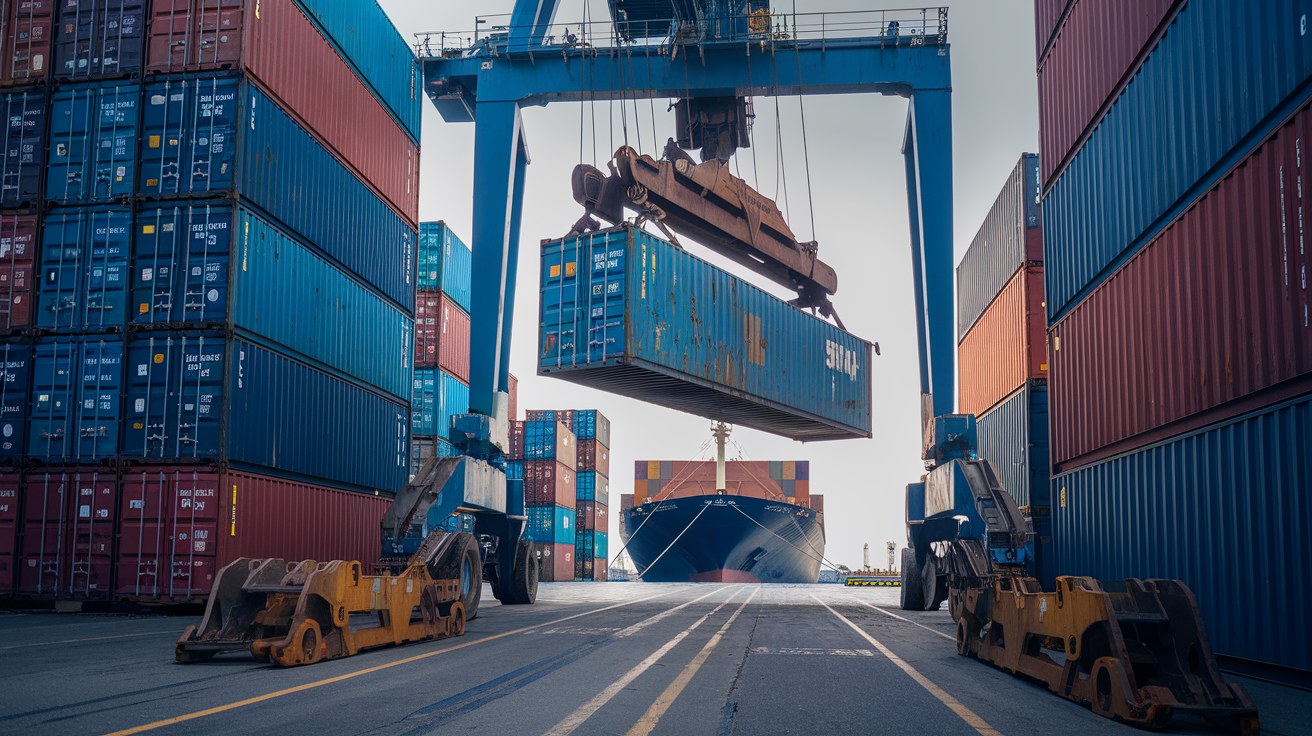
Leasing companies own a huge share of the world’s container fleet, and for the past year their US problem has been storage. Depots filled up during the front-loaded import surge, and every box sitting in one costs its owner money weekly. That pressure is what pushed fleet equipment into the US resale market and dragged prices down — the dynamic we traced in our look at the key trends shaping the container sales industry.
The repositioning story says the math has started flipping. Per Muwon’s analysis, shipping lines are returning to leasing after several years of buying boxes outright, which gives lessors somewhere profitable to place equipment in Asia — either selling into a rising market or putting units on lease at export gateways that need them. Once the netback from an Asian sale or lease beats a discounted US liquidation price, the rational move is to load the box on a westbound ship instead of selling it cheap in the States.
The honest caveats matter. Muwon labels the repositioning activity as market intelligence, not audited fleet data — nobody has published how many units are moving or for how long. And different types of containers face different pulls: the flow is specifically about cargo-worthy 40-foot high cubes, the workhorse of export trades. Older wind-and-watertight units that can’t certify for ocean service aren’t worth repositioning — which is exactly why their discounts should outlast everything else’s.
What This Means for Northeast Buyers
The repositioning signal is a West Coast story first, and Muwon is careful to say it doesn’t automatically reprice the East Coast. The Northeast supply picture is steadier: the Port of New York and New Jersey moved 4.43 million TEUs in the first half of 2026, essentially flat against last year, with June spiking 11.9% to 769,422 TEUs on front-loaded holiday freight, per the Port Authority. Those boxes are already here, feeding the depots that supply buyers across New York, New Jersey, and Pennsylvania.
But no regional container market is an island. National dealers price used equipment against replacement cost, and replacement cost is set by what leasing fleets will sell and what factories will build. If lessors keep pulling cargo-worthy 40-footers out of the US pool while production runs 30% below last year, the discount on clean 40-foot equipment narrows everywhere — the East Coast just feels it last.
The practical read for Northeast buyers: the deepest part of the buyer’s market is intact right now, particularly for the storage-grade equipment most local projects actually need. What has changed is the safety of waiting. Through the spring, delaying a purchase reliably meant a better price. That bet now has a live risk on the other side of it.
How to Play a 40-Foot Market That’s Starting to Move
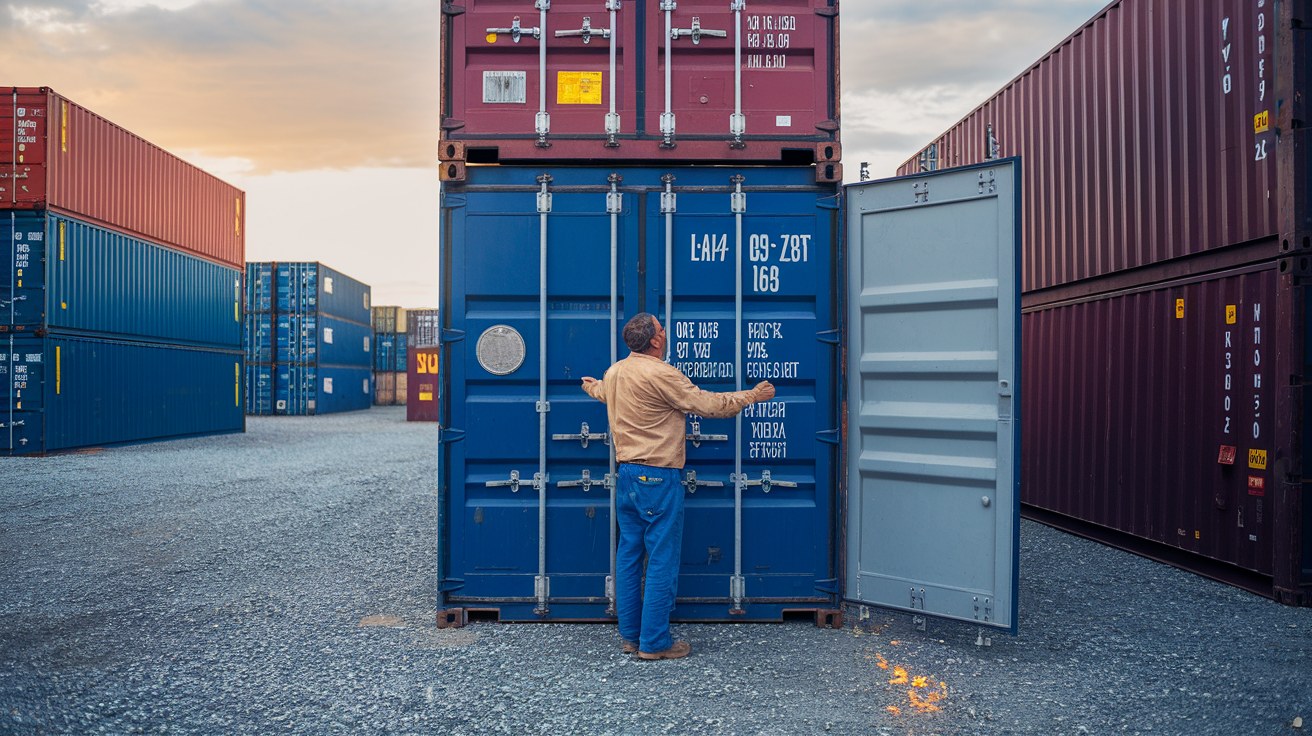
First, if you need a cargo-worthy 40-footer, buy in stages — and start now. This is the exact equipment class being repositioned and the class new-production cuts touch most directly. Muwon’s advice to wholesale buyers is to cover near-term needs rather than wait for further declines, and the same logic applies to a construction firm or farm operation planning fall deployments. Two boxes now and two in October beats four in November if the flow continues.
Second, know when a 20-footer does the job. The supply shift is concentrated in 40-foot high cubes; 20-foot containers sit outside the strongest repositioning pull, and for most single-site storage uses their footprint is easier to place anyway. Our container dimensions guide breaks down what each size actually holds — many buyers pricing a 40-footer discover two 20s fit their site better and their budget the same.
Third, shop the grades the repositioning can’t reach. Wind-and-watertight and older cargo-worthy units aren’t going anywhere — no one ships a $1,400 box across the Pacific. That’s where depot-clearing discounts will linger longest. Go in knowing what to look for when buying a shipping container so you can separate honest weathering from structural trouble and buy the discount with confidence.
Fourth, negotiate — the leverage is still real. Freight rates only stopped falling in early August, depots remain full, and sellers are still motivated. Every tactic in our guide to negotiating container prices still works this month. The point isn’t that the buyer’s market is over. It’s that the clock on it has started.
What Could Firm Prices Faster
Two outside forces could compress the window further. The first is freight. Drewry’s World Container Index rose 1% to $4,297 per 40-foot container on August 6 — the first increase after three straight weeks of declines — and Container News reports the Shanghai index rebounded 4.7% as carriers pushed August rate increases and added surcharges tied to renewed Strait of Hormuz uncertainty. Firmer freight means carriers keep more boxes working, which slows the flow of retiring units into the resale market.
The second is tariffs. Steel shipping containers entering the US already face a 50% Section 232 duty, and the Commerce Department has proposed expanding the steel-derivative tariff list, with public comments open through August 27, per IndexBox’s trade coverage. Every version of that policy keeps the cost of a new imported box high — which means a shrinking used supply has no cheap new supply waiting to cap its price. We don’t take positions on trade policy. We just note what it does to the floor under used-container values, and it holds that floor up.
The Bottom Line
The buyer’s market of summer 2026 isn’t over — depots are full, sellers are motivated, and discounts on storage-grade equipment remain the best in years. But the supply side just showed its first exit signs: factories cutting output up to 30%, Asian used values rising, and leasing fleets reportedly shipping cargo-worthy 40-footers back across the Pacific. Buyers who move in the next weeks buy at glut pricing. Buyers who wait for spring may find the glut quietly sailed west without them.
We stock new and used containers in yards across the Northeast, we watch these equipment flows so you don’t have to, and we’ll tell you honestly which sizes and grades still carry the deep discounts. Tell us what you’re working on and request a quote today — while the tide is still running the buyer’s way.
Sources: Muwon USA August 2026 Container Equipment Market Report (August 11, 2026); WorldCargo News CIMC earnings coverage (February and April 2026); Drewry World Container Index (August 6, 2026); Container News SCFI reporting (August 2026); Port Authority of New York and New Jersey H1 2026 volume report; IndexBox Section 232 steel-derivative proposal coverage (August 2026).