
Ocean freight rates jumped again this month, and a new set of U.S. port fees on Chinese-built ships is now stacking real money on top of every imported box. The Drewry World Container Index surged 23% to $3,433 per 40-foot container in early June, with the Shanghai-to-New York lane up 20% to $5,505, according to Drewry’s June 4 assessment. For anyone pricing a container this summer, that ocean-side cost increase is about to show up where you actually shop — on the U.S. resale lot.
This isn’t the same story as the import-tariff coverage from a few weeks back. Tariffs raise the sticker on a new container the day it lands. Freight rates and the new vessel fees work a level upstream, on the cost of moving boxes across the Pacific at all — and that upstream pressure is what ultimately decides how much new inventory reaches U.S. lots and at what price. It’s a thread we pulled on in our overview of the key trends shaping the shipping container sales industry, and the 2026 version of that thread runs straight through the freight market.
What the Numbers Are Saying
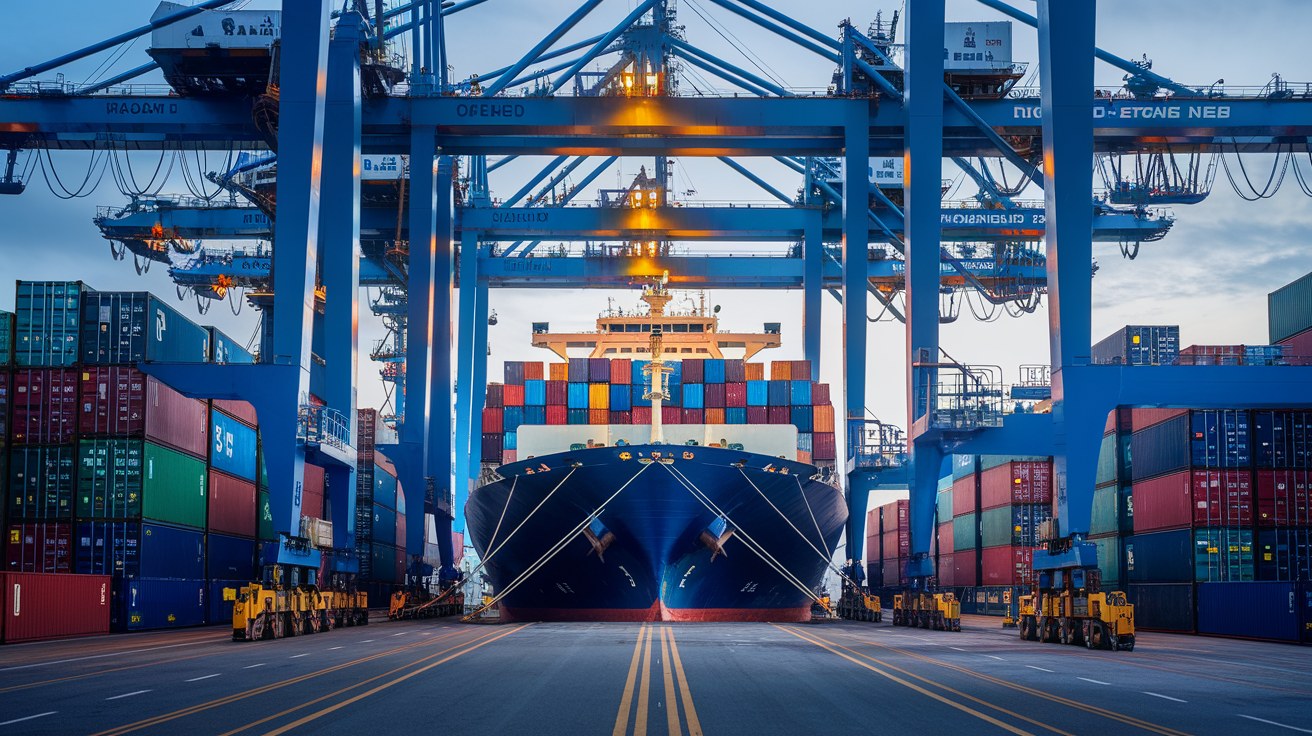
Peak season arrived early in 2026, and the rate sheet shows it. Beyond the Shanghai-to-New York jump, Shanghai-to-Los Angeles climbed 31% to $4,565 per 40-foot container, per Freightos and Drewry data from the first week of June. The Drewry composite index sitting at $3,433 is roughly 23% higher than it was a few weeks earlier — a sharp move for a single assessment period.
The drivers are stacking. Importers are front-loading shipments ahead of further tariff changes expected in July, retailers are restocking for summer sales, and 2026 FIFA World Cup demand is pulling freight forward across both coasts. Red Sea diversions are still extending transit times, which pushes shippers to book earlier and pay premiums to hold their slots. The result is an early, demand-led rate spike rather than a supply shock — but the cost lands the same way.
Here’s why a Pacific freight number matters to someone buying a storage box in New Jersey. Most new “one-trip” containers sold in the United States are manufactured in China and ride that exact freight market to get here. When the cost of the ocean leg climbs, the delivered cost of new inventory climbs with it, and the price gap between a new one-trip unit and a used container widens. That gap is the single biggest number in most buyers’ decisions.
The Port Fees Stacking on Top
The freight spike isn’t the only new cost. Section 301 port fees on Chinese-built and Chinese-operated vessels took effect in October 2025 and begin escalating in April 2026, and they’re built to climb every year through 2028.
For Chinese-built ships operated by non-Chinese carriers — a large share of the fleet calling on U.S. ports — the fee starts at $18 per net ton or $120 per container, whichever is higher, and rises to $250 per container by April 2028, according to USTR’s published schedule and analysis from Holland & Knight and Flexport. Industry estimates put the near-term added cost at roughly $175 to $400 per container depending on which formula applies, with logistics firm ATS projecting that importers could see ocean freight bills rise anywhere from 10% to more than 40% per container as the program escalates.
Carriers don’t absorb that. Cosco Shipping alone is facing an estimated $1.53 billion in USTR port fees in 2026, per Seatrade Maritime — and fees of that scale flow downstream into freight rates, surcharges, and ultimately the delivered cost of every box that crosses the water. For container buyers, the practical takeaway is simple: the cost floor under new imported inventory is rising on two fronts at once, freight and fees, and neither is a one-time bump. Both are scheduled to get heavier.
Why This Pushes Buyers Toward Domestic Used Inventory
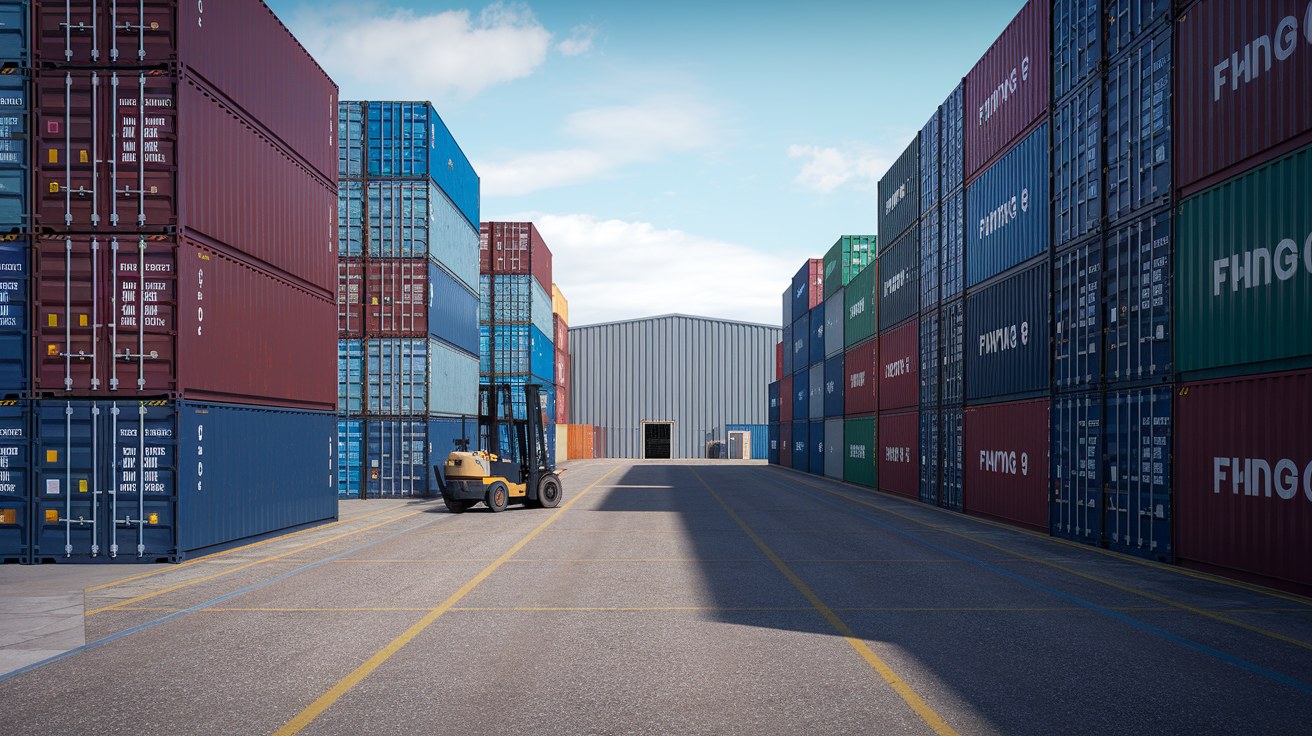
Domestic used containers don’t ride the Pacific to reach you. They’re already here — sitting in yards across the country, having finished their shipping lives years ago. That’s the whole point of the hedge: a unit that’s already on U.S. soil is insulated from ocean freight spikes and vessel fees in a way that a fresh one-trip import simply isn’t.
The pricing reflects that stability. Used 20-foot containers are averaging $1,786 nationwide in 2026, with used 40-foot units around $2,187, according to Eveon Containers’ Market Monitor. All three common sizes are trending modestly upward year over year — about 2.6% for 20-foot, 3.3% for 40-foot standards, and 3.1% for high cubes — which signals tightening resale supply, not a crash. Compare that to the new-import side, where freight and fees are pushing in the same direction at a much steeper grade.
The market mood has shifted accordingly. As one June market read put it, the reward for waiting is shrinking. For most of the past eighteen months, delaying a purchase usually meant paying less later. That dynamic is reversing: major shipping lines have returned to the market with large procurement programs, steel costs have firmed, and replacement economics have strengthened, per Muwon USA’s June 2026 market insights. Sophisticated buyers with long planning horizons are buying now — which is rarely a signal that prices are about to fall. For a sense of where new and used fit relative to each other, our breakdown of the different types of shipping containers for sale is a useful starting point before you commit to either.
What It Means by Use Case
For most buyers, the freight and fee story strengthens a decision that already made sense: buy used, buy domestic, buy now. But the specifics shift by use case.
For storage — construction sites, retail overflow, agricultural equipment, small-business inventory — a wind-and-watertight used unit does the job at roughly half the delivered cost of a new one-trip box, and none of that cost is exposed to Pacific freight swings. Demand for shipping containers for storage keeps climbing across exactly these segments, and the case for used has only gotten stronger as import costs rise. The one number that still matters most is condition, so our checklist on what to look for when buying a shipping container — corner posts, door gaskets, roof seams, floor — is worth reading before you call any dealer.
For modification projects — offices, pop-up retail, food service, equipment shelters — used is almost always the right base. Once you’re cutting in windows, doors, and partitions, the original skin’s cosmetic wear stops mattering, and you’re not paying an import premium for a finish you’re about to modify anyway. Our walkthrough of the container customization process covers what’s realistic on a used shell, from roll-up doors and insulation to electrical and HVAC.
For container homes and ADUs, the math is more nuanced but still tilts toward acting sooner. Finished container homes run roughly $150 to $350 per square foot — competitive with conventional ADU construction and well under custom build costs in high-cost Northeast markets. With both import costs and steel firming, the base-unit portion of a container home build is unlikely to get cheaper this year. Buyers exploring container-based living are better off locking the shells now and phasing the finish work than waiting for a unit-price dip that the current data doesn’t support.
Three Moves Worth Making Now
If a purchase is on your 2026 calendar, three actions put the freight-and-fee math in your favor rather than against it.
First, price domestic used inventory before the import side gets more expensive. The boxes already in U.S. yards are the part of the market least exposed to what’s happening on the Pacific. Reputable dealers will hold a quote for a defined window — typically 14 to 30 days — and our primer on negotiating prices for shipping containers covers what’s actually flexible in a firming market versus what isn’t. The cost-conscious path is laid out in our affordable options for buying shipping containers overview.
Second, size the unit to your site, not to the headline price. The price-per-square-foot math usually favors 40-foot, but delivery access is the real constraint — a 40-foot unit needs roughly 100 feet of straight-line clearance for tilt-bed delivery plus level ground and overhead room. Our shipping container dimensions page lays out exact footprints so you can measure honestly before you choose, and the 20-foot inventory is often the right call for tighter sites.
Third, settle delivery before the box hits the truck. Ground conditions, slope, and obstructions can push a job from tilt-bed into crane territory, which costs more and needs its own access window. The delivery and placement guide covers the prep most buyers wish they’d handled first. For shoppers in the Northeast and Mid-Atlantic — including the New York and New Jersey markets where Shanghai-to-East-Coast rates are spiking hardest — regional inventory is solid and crane delivery is available where tilt-bed access isn’t feasible.
The Bottom Line
The 2026 container market isn’t short on supply — it’s getting more expensive to import, on two fronts that are both scheduled to keep climbing. Ocean freight is spiking into an early peak season, and Section 301 port fees are stacking $175 to $400 per box on top, escalating through 2028. Domestic used inventory is the part of the market that sidesteps both, and the pricing data shows it holding steady while the import side climbs. The reward for waiting is shrinking, and the buyers who move first this summer are the ones who lock in today’s number instead of next quarter’s.
If you’re sizing up a container for storage, modification, or a home build, our team can walk you through current new and used inventory, delivery logistics, and modification options for your specific use case. Request a quote today and lock in 2026 pricing while the domestic market is still the calm side of the ledger.
Sources: Drewry World Container Index (June 4, 2026); Freightos Weekly Update (June 2, 2026); Office of the U.S. Trade Representative Section 301 vessel fee schedule; Holland & Knight USTR Port Fee Implementation analysis; Flexport USTR vessel fee breakdown; ATS Section 301 port fee guidance; Seatrade Maritime (2026 carrier fee estimates); Eveon Containers Market Monitor 2026; Muwon USA June 2026 Market Insights.