
On-highway diesel averaged $6.41 a gallon on November 9, 2026, in the region the U.S. Energy Information Administration (EIA) calls the Central Atlantic, which includes New York, New Jersey, and Pennsylvania, up $2.46 from the same week a year earlier. New England averaged $6.35, up $2.39. Gasoline has dropped about 36 cents in a month, according to AAA figures reported by The Auto Wire, and diesel has not followed it down. If you are pricing a used or one-trip container for delivery to a Northeast jobsite, farm, or backyard this winter, the truck that brings it runs on diesel, and that cost sits inside the delivery line on your quote.
Below we cover what the regional diesel numbers say, how much of a delivery charge is fuel, why diesel supply stays tight through the winter, whether waiting for cheaper fuel saves money, and three steps for this week. Our shipping container delivery and placement guide covers the site side of a delivery, and this piece covers the price side.
What Are Diesel Prices Doing in the Northeast This Fall?
Diesel in the Northeast is easing week to week but still sits more than $2 a gallon above last year. The EIA’s weekly retail survey for November 9 puts the Central Atlantic average at $6.412, down about 7 cents on the week, and New England at $6.349, also down about 7 cents, while the national average fell 17 cents to $6.127. A 100-mile round trip to bring a used 20-foot container from a northern New Jersey depot to a Hudson Valley farm burns about 20 gallons at the 5 miles per gallon that standard trucking fuel tables assume for flatbed equipment, which costs about $128 at this week’s Central Atlantic price and about $79 at last year’s.
Prices have come off their September high. AAA’s national diesel average set a record of $6.5276 on September 22, The Auto Wire reported on November 9, and the November readings sit below that mark while staying more than $2 above the same week of 2025. Gasoline has moved faster. Regular averaged $3.995 nationally in the same EIA survey, so the gap between the two fuels is about $2.13 a gallon, against a gap of about 68 cents a year earlier in The Auto Wire’s comparison of EIA data.
A homeowner who watches gas prices fall on the commute may expect a cheaper delivery charge, and this month’s diesel numbers do not support that expectation.
How Much of a Container Delivery Charge Is Fuel?
The fuel-driven part of a Northeast container delivery runs roughly $100 to $130 on a 100-to-120-mile round trip at November prices. Trucking fuel surcharges are commonly computed from the Department of Energy’s weekly diesel price, and the reference table WeeklyDiesel publishes from that EIA figure subtracts a $1.20 base and divides by 5 miles per gallon for flatbed equipment, which at the Central Atlantic average of $6.412 comes to about $1.04 a mile, against about $0.55 a year ago. A Long Island contractor taking a used 20-foot from a depot 60 miles away, a 120-mile round trip, would carry about $125 of fuel surcharge at this week’s price, versus about $66 last November.
Those figures are our arithmetic on public numbers, and your seller’s schedule may use a different base, mileage assumption, or regional price. They still show the size of the change, which is about $50 to $60 on a typical regional delivery compared with a year ago. Container Management’s 2026 cost guide says delivery typically adds several hundred dollars and states that “because of increased diesel fuel costs, delivery costs are steadily increasing” across the country. The same guide lists cargo-worthy used 20-foot units at $1,250 to $1,800, so against a box in that range the fuel increase is real money and a small share of the invoice.
When we quote delivery, the distance from the depot holding the unit to your site moves the number more than any other input, because a delivery truck usually returns empty after the drop and the whole round trip burns fuel. In our experience on the sales desk, buyers compare box prices across three or four sellers line by line, and few ask whether the delivery figure is a flat price or tied to a fuel index that resets every week. That is a pattern across many Giant Lockbox conversations, not a count. Our overview of affordable options for buying shipping containers explains where the box price itself lands by grade.
Diesel Supply Stays Tight Through a Northeast Winter
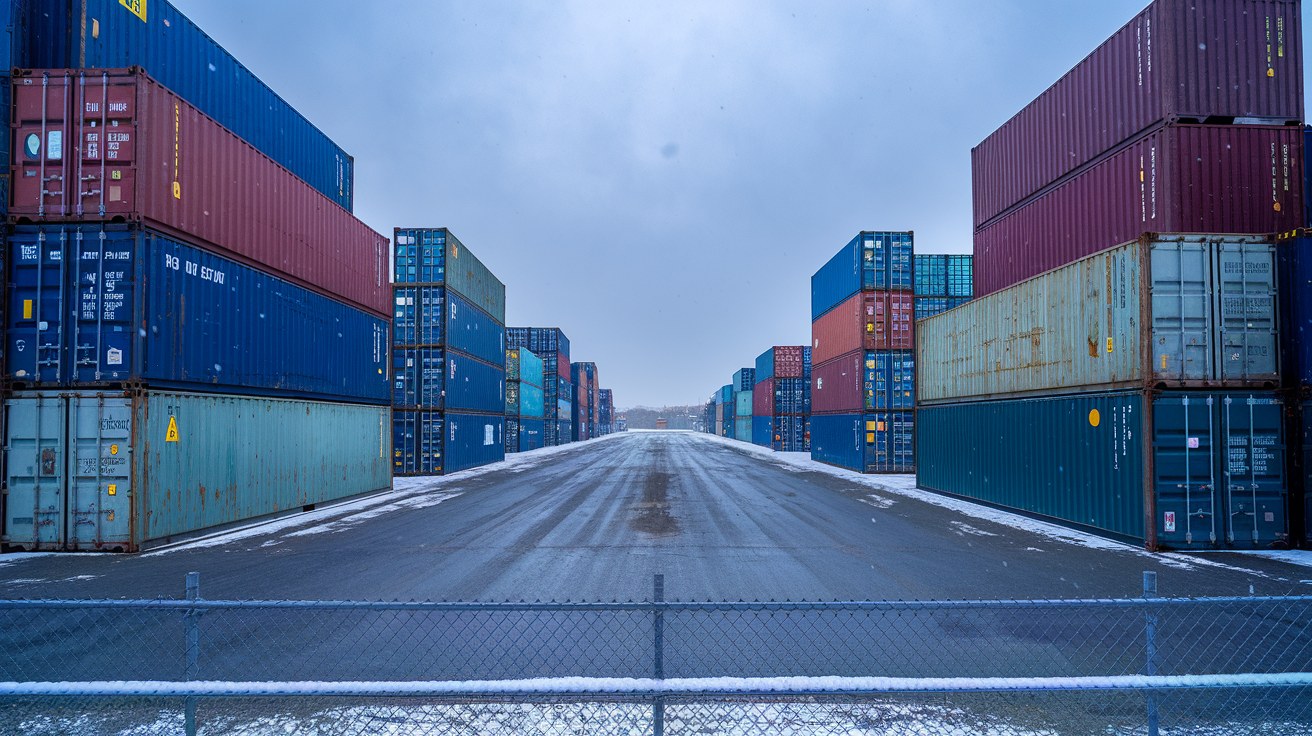
Diesel and home heating oil come from the same distillate supply, and the Northeast is where most heating oil is burned. The EIA’s winter fuels outlook, released October 6, said East Coast distillate inventories were 32 percent below their five-year seasonal average in September and expects them to stay 20 to 30 percent below average through the winter. The same outlook forecasts that households heating with oil, mostly in the Northeast, will pay about 21 percent more this winter than last.
Refining adds to the pressure. The EIA’s third-quarter review, as summarized by The Auto Wire, found the distillate crack spread nearly tripled year over year, and it listed disrupted refining in Russia, China, and the Middle East, heavy U.S. exports, and reduced flows through the Strait of Hormuz since late February. A January cold snap draws on the same tanks that supply delivery trucks, so New England and Central Atlantic diesel prices can climb for a week or two even while crude oil falls.
We do not forecast fuel prices, and a mild winter would ease some of the strain. The EIA expects temperatures this winter close to last winter and the 10-year average. For the larger cost picture behind a container price, see our overview of the trends shaping the container sales industry.
Should You Wait for Diesel to Fall Before Ordering a Container?
No, waiting for cheaper diesel saves too little on a single delivery to justify a delay if you need the unit this winter. The EIA’s November Short-Term Energy Outlook, released November 10, raised its 2027 average retail diesel forecast to $5.03 a gallon from $4.49 and expects Brent crude to stay near $100 a barrel for the rest of 2026. At $5.03, the same surcharge math gives about $0.77 a mile, so the Long Island contractor’s 120-mile round trip would carry about $92 of fuel surcharge instead of $125, a saving of about $33 spread over a year of waiting.
Other parts of the quote move by more than that. Container Management’s cargo-worthy range for a used 20-foot spans $550 from bottom to top, and the grade and condition of the specific unit decide where your box lands inside it. A site that is not ready on delivery day can mean a second round trip, which burns the same fuel again.
The case for patience is stronger on one-trip units, where ocean freight is still high. Drewry’s World Container Index for November 12 put Shanghai to New York at $9,020 per 40-foot container, down 3 percent on the week and the lowest since August, and Drewry expects transpacific rates to fall further next week. Our guide to negotiating prices for shipping containers covers timing on the box price, which is where the larger savings sit.
Three Steps to Take This Week

First, ask whether delivery is flat or fuel-indexed. Ask the seller in writing whether the delivery figure on your quote is a fixed price or carries a fuel surcharge that resets with the weekly DOE number, and how many days the quote holds. A flat delivered price dated this week is the easiest number to compare across sellers. If you are still choosing who to buy from, our guide to where to buy used shipping containers compares dealers, brokers, and listings.
Second, ask which depot holds the unit. Every mile between the depot and your site counts twice. A unit sitting 30 miles closer saves about $60 in fuel surcharge at this week’s Central Atlantic price, and usually more on the base haul. If two depots both stock what you need, and our guide to shipping container dimensions can confirm whether a 20-foot or 40-foot fits your site, the nearer depot usually wins on delivery. Ask for photos of the specific unit and check them against our list of what to look for when buying a shipping container.
Third, get the site ready so the truck makes one trip. Soft ground, a blocked approach, or low wires can send a loaded truck home, and the rescheduled delivery burns the same diesel twice. Walk the site this week, mark the drop spot, and confirm that the approach is clear and firm before frozen ground and snow complicate it.
The Bottom Line
Diesel at $6.41 in the Central Atlantic adds roughly $50 to $60 to a typical Northeast container delivery compared with last November, and the EIA’s latest outlook keeps the 2027 national average above $5 a gallon. On a used box that costs $1,250 to $1,800, the question to ask this week is whether the delivery line is fixed or floats with fuel. Get that answer in writing, ask which depot holds the unit, and have the site ready so the truck makes one trip.
We can tell you which depot holds the unit you want and give you a delivered number for your address with the delivery terms spelled out. For used containers across New York, New Jersey, and Pennsylvania, request a quote today.
A note on how this article was written: we use AI to help draft and research pieces like this, then a Giant Lockbox team member edits for accuracy and voice. Here’s how and why we use AI in our content.
Sources: U.S. Energy Information Administration, Gasoline and Diesel Fuel Update, weekly retail prices for November 9, 2026; U.S. Energy Information Administration, EIA expects a mixed picture for winter fuel costs this year, October 6, 2026; U.S. Energy Information Administration, Short-Term Energy Outlook, November 10, 2026; The Auto Wire, Gas Is Down 36 Cents in a Month, but Diesel Still Costs $2.16 More a Gallon, November 9, 2026, citing AAA and EIA data; WeeklyDiesel, Current Fuel Surcharge Per Mile, week of November 9, 2026; Container Management, Shipping Container Costs 2026 cost guide, accessed November 13, 2026; Drewry, World Container Index, November 12, 2026.