

A Comprehensive Guide to Various Shipping Containers Available for Purchase
Navigating the vast sea of shipping containers for sale can be as complex as coordinating a fleet of ships through a bustling port.
Whether in retail needing robust containers for your inventory or in construction seeking durable solutions for equipment storage, understanding the myriad options available is crucial.
From the humble yet resilient weathering steel box to the sophisticated refrigerated container, each type is designed to withstand the rigors of transport while safeguarding your cargo.
It's about finding the right dimension, weight capacity, and insulation balance to meet your unique logistics needs.
Keep reading as we embark on a journey to demystify the specifications, benefits, and considerations of different shipping containers on the market.
Key Takeaways
- Shipping Containers Are Essential for Global Logistics, With Different Types Catering to Specific Cargo Needs
- Understanding Container Specifications Like Dimension, Volume, and Material Is Crucial for Efficient Transport
- High-Quality Containers Mitigate the Risks of Wear and Tear and Safeguard Cargo Against Harsh Environmental Conditions
- Specialized Containers Such as Refrigerated or Open-Top Units Address Unique Transportation Challenges, Like Temperature Control or Awkward-Sized Loads
- Investing in the Right Container Type Can Enhance Logistical Efficiency and Protect the Integrity of Goods in Transit
Exploring the Basics of Shipping Containers for Sale
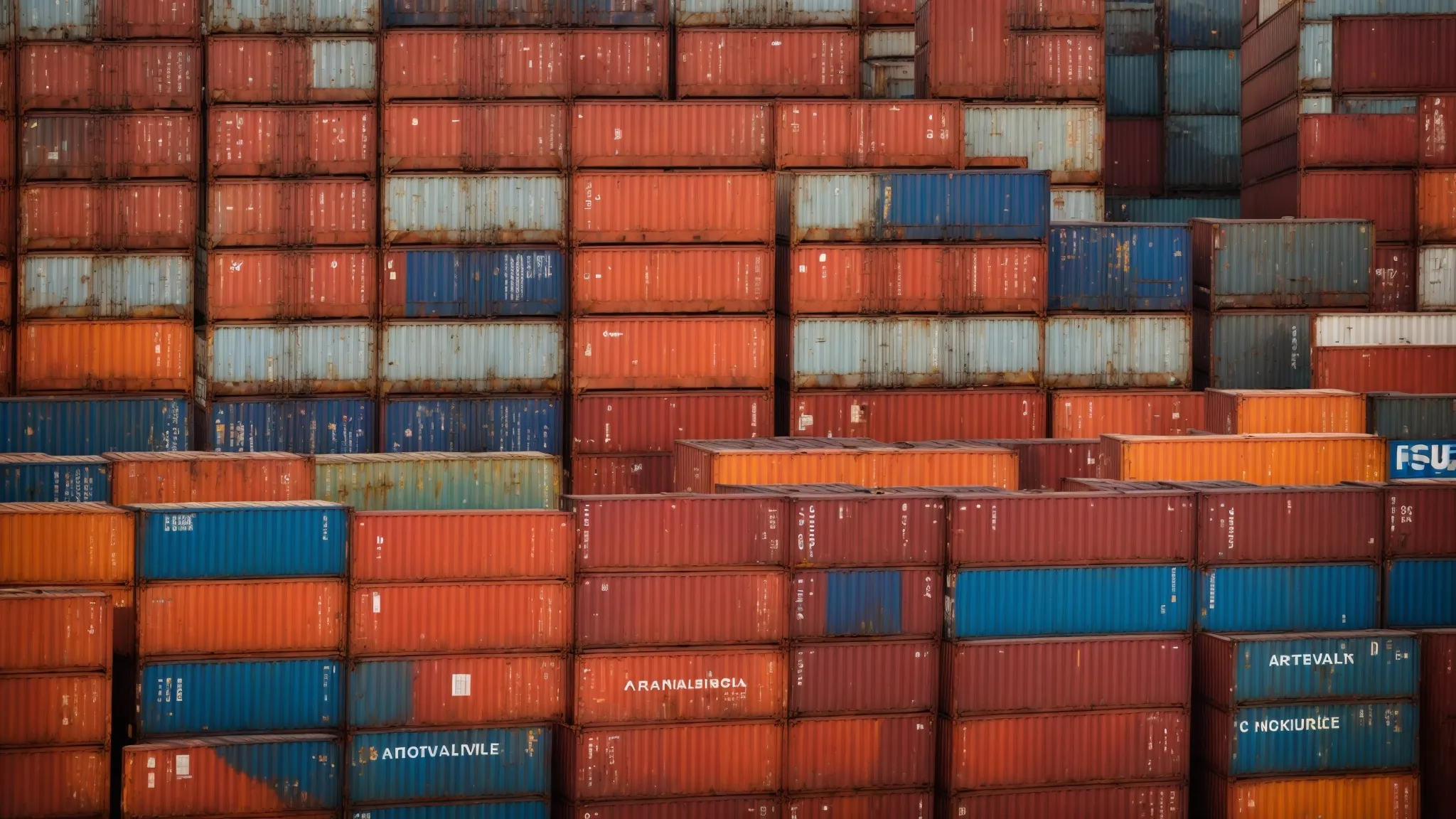
As you navigate the myriad of shipping containers available for purchase, it's essential to grasp their multifaceted roles in our global trade system.
These resilient structures are purpose-built for transporting a diverse range of goods—be it bulk cargo across the unpredictable waves of the ocean or precious goods by rail transport.
Understanding the core functions of these containers lays the groundwork for identifying their key features, such as dimension, volume, and construction material—be it weathering steel known for its corrosion resistance or insulated panels within a refrigerated container.
Delving into their varied applications, you'll find that quality isn't just a buzzword; it ensures durability that withstands relentless wear and tear during transit.
Let's explore this to comprehend the essential attributes and the criticality of high-caliber shipping units.
Understanding the Functions of Shipping Containers
Shipping containers are the backbone of global logistics, deftly securing goods as they journey from one port to another. Whether it's a container braving the natural elements on the deck of a ship or being shuttled through a tunnel by rail transport, each type is designed to shield its cargo from the stresses of movement and external conditions.
Imagine transporting sensitive electronic equipment from Salt Lake City to a retail outlet overseas; an insulated shipping container would serve you well, maintaining a stable internal temperature. Conversely, should you send non-perishable items in bulk, a standard conex box, with its robust steel construction and standardized dimensions, would be the reliable choice to safeguard your inventory.
Identifying the Key Features of Containers
Critical features of shipping containers go beyond the superficial; they encompass essential specifications like weight capacity, volume, and construction integrity. When selecting a container, it's crucial to consider the weight of your cargo and the volume it occupies to ensure compatibility with the container's design—a mismatch can lead to structural compromise or inefficient space utilization.
Diligence in assessing the physical attributes such as the length, height, and width feed into a streamlined process, which is crucial when planning for storage or transport. For instance, the dimensions of an intermodal container directly influences the ease with which it can be transferred between ship, rail, and truck, underscoring its suitability for a customer's multifaceted logistics requirements.
The Importance of Quality in Shipping Units
Quality is non-negotiable when you're in the market for a shipping container. The investment you make should ensure safe, long-lasting storage and transit of goods, where the chosen container needs to be resilient against forces of nature such as harsh weather, salt, and moisture that can accelerate corrosion and degrade a container's integrity over time.
Investing in high-quality shipping units is a proactive step to diminish unexpected repair and replacement costs. For instance, a container with a durable tarpaulin, sturdy metal doors, and robust plywood floors will better safeguard your cargo from physical damage and wear while maintaining its structural form through the grueling transit demands, whether by truck, ship, or rail transport.
Now that we've uncovered the essentials of the shipping containers market let's take a closer look at the various dimensions that could fit your unique needs. Prepare to be surprised by the diversity of sizes and how they can revolutionize your storage or transportation strategies!
Delving Into the Various Sizes of Shipping Containers

Embarking on your quest to find the perfect shipping container necessitates a clear understanding of the various sizes available and their respective advantages.
The common dimensions—10ft, 20ft, and 40ft—each offer unique benefits tailored to specific needs, ensuring that whether you're storing construction equipment or shipping retail goods, there's a size that matches your requirements.
Considering these options for your logistical strategy, it's critical to recognize how each container's size can impact your operations, from storage efficiency to transport compatibility.
Embrace the insights in the following topics to guide your decision-making process as you compare these container options and uncover the advantages they provide.
Comparing 10ft, 20ft, and 40ft Container Options
Deciding between a 10ft, 20ft, or 40ft container pivots on your specific space requirements and the nature of your cargo: do you deal with small, compact goods or larger, bulkier items? A 10ft container offers cozy dimensions and maneuverability, ideal for light storage or tight spaces in urban loading areas. In contrast, the 20ft option balances ample space and convenience, making it a versatile staple in shipping.
- 10ft containers are excellent for small-scale storage or shipment needs, are easy to position, and are perfect for metropolitan locales.
- 20ft containers are a flexible middle-ground, widely used in various industries for their cost-efficiency and spacious interior.
- 40ft containers emerge as the giants of cargo, housing substantial inventory while ensuring economies of scale in transport costs.
The 40ft variant is the behemoth of choice for significant inventory loads, offering a generous expanse that accommodates substantial retail or manufacturing cargo. This length allows companies to maximize their volume per shipment, redrawing the cost-benefit analysis in favor of large-scale logistics operations.
The Advantages of Each Container Size for Buyers
Equipping yourself with the right container size aligns with the exquisite detail of your operational needs. The compact yet efficient 10ft model can be precisely what you're looking for if your business aims to optimize its shipping efficiency for smaller, more frequent deliveries or if you're constrained by limited space at your point of sale or distribution hub.
On the other end, opting for a 40ft behemoth is strategically prudent when your trade involves moving vast amounts of goods or large machinery. This choice could dramatically decrease the number of trips required and potentially consolidate inventory, offering vast savings on logistics while ensuring your cargo arrives securely, thanks to the robust construction of these large-scale containers.
Let's elevate our perspective by exploring high-cube containers, a solution that meets your expectations. Expect more volume as these giants of cargo transport redefine capacity with every inch.
High-Cube Containers and Their Increased Capacity

Have your logistics needs surpassed the capacity of standard shipping containers?
Your business may benefit from the enhanced volume and stature of high-cube containers.
With their towering height and spacious interior, these containers are the premier solution for transporting taller goods or increasing cargo capacity without compromising on the footprint.
The additional vertical space can revolutionize your shipping strategy, whether dealing with lightweight voluminous cargo or seeking efficiencies in stacking and stowage.
Discover the singular characteristics that set high-cube containers apart and the range of applications they are uniquely suited to accommodate in modern logistics.
What Makes High-Cube Containers Stand Apart
High-cube containers set themselves apart with their towering stature, offering a crucial additional foot in height over standard containers. This seemingly small difference opens up a new realm of possibilities for stacking goods and accommodating taller cargo types that wouldn't fit within the confines of regular shipping units.
Their design is a testament to the flexibility and innovation in modern logistics, allowing your business to increase efficiency and optimize shipment loads without opting for a larger footprint. High-cube containers promise not just more space but a more innovative way to move your goods, standing as a testament to efficiency in logistics.
Ideal Uses for High-Cube Containers in Shipping
When considering the transportation of lightweight yet bulky items – such as furniture or large volumes of lightweight cargo – high-cube containers offer an unmatched advantage: Their heightened structure accommodates taller items, maximizing the cubic capacity without increasing the footprint on the transport vessel. This aspect is beneficial when managing the logistics of goods that demand more vertical space for safe transit.
A high-cube container is an optimal solution for specialized shipments, such as automotive parts, where additional height is necessary for racking systems or equipment that wouldn't fit in standard containers. The extra vertical space allows for innovative packing strategies, elevating efficiency and enabling a more organized, secure method to transport your goods:
- Transport automotive parts with ease using tailored racking systems for stability.
- Ship tall industrial equipment without disassembly, reducing additional handling.
- Maximize the volume for light, voluminous products to streamline logistics.
Discover the transformative versatility of high-cube containers, where every inch maximizes your volume advantage. Prepare to redefine accessibility with the remarkable convenience of double-door shipping containers.
Double-Door Shipping Containers for Easy Access
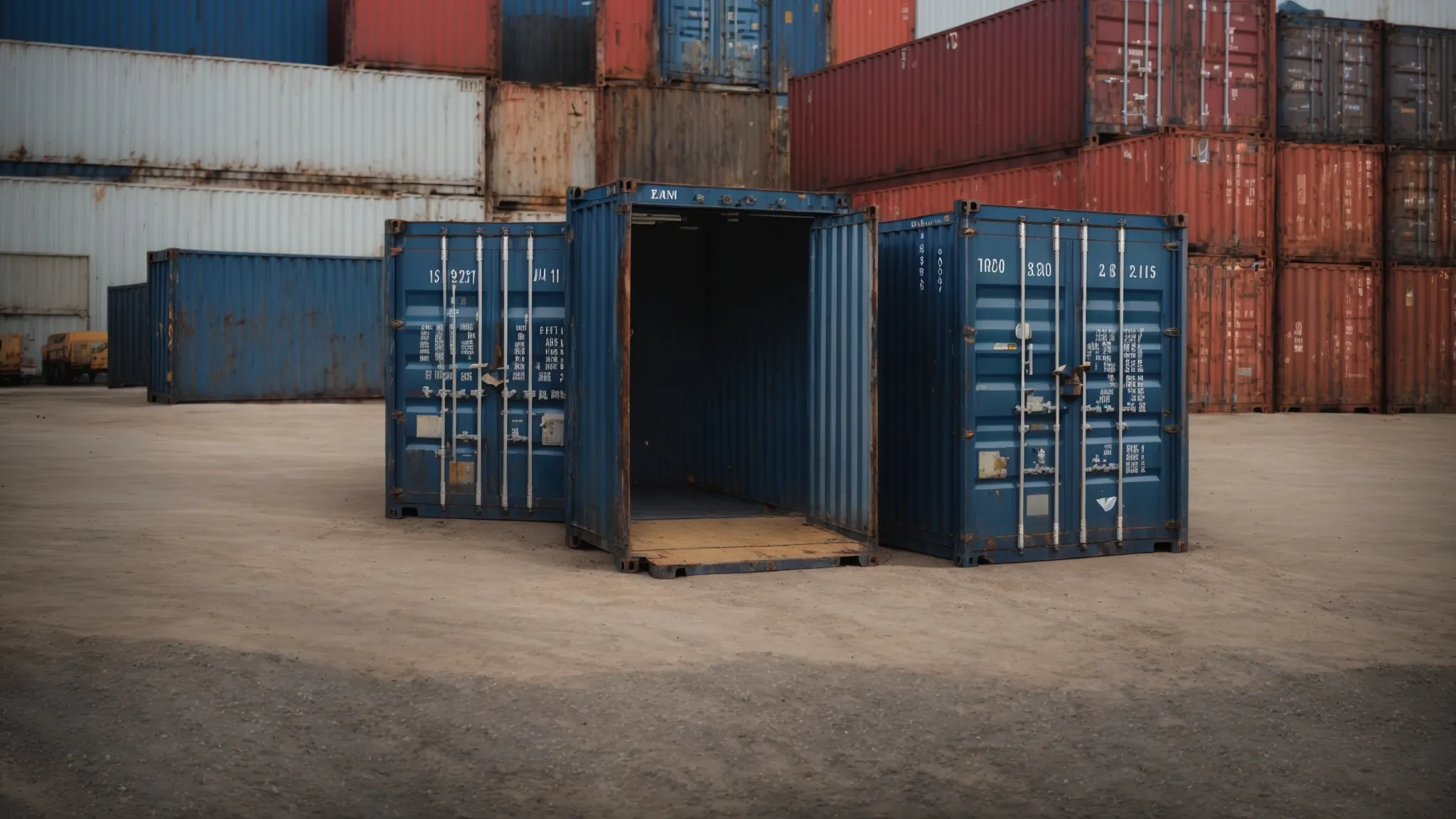
Are you in search of a shipping container that combines flexibility with ease of access?
Double-door containers might be the innovative solution you're looking for.
These units boast doors at both ends, significantly streamlining the loading and unloading process.
Beyond the clear advantage of convenience, double-door containers facilitate a higher degree of organization within, cater to a vast range of industries, and unlock efficiencies in cargo handling that single-door models can't match.
As you evaluate your shipping and storage needs, consider the benefits these models bring to operational workflows and how they could enhance the capabilities of businesses in diverse sectors.
Benefits of Double-Door Containers for Loading
Imagine the ease with which your team can manage the loading process when both ends of a shipping container are accessible. Double-door containers revolutionize this crucial step, offering simultaneous entry points that facilitate a smoother, faster workflow and reduce the time your vehicle spends docked at the port or warehouse.
With double-door containers, you're not just expediting loading and unloading but also enhancing safety. Fewer movements around the container mean less risk for forklift operators and ground staff, resulting in a safer work environment and a positive impact on your operations' overall efficiency.
Potential Industries That Benefit From Double-Door Containers
Transportation and warehousing sectors stand to gain immensely from adopting double-door shipping containers, with their capacity to streamline operations. These containers transform complex loading endeavors into straightforward tasks, which is particularly advantageous for industries where rapid turnover is vital, such as food distribution or the fast-paced world of event logistics.
Retailers and manufacturers, who frequently shuttle a high volume of goods, also benefit from the increased accessibility and improved organization that double-door containers offer. This feature is especially practical when dealing with cargo that needs to be accessed quickly and efficiently, enhancing retailers’ ability to maintain seamless supply chain management from warehouse to point of sale.
While the convenience of double-door shipping containers streamlines your access to goods, let's shift our focus to the powerhouse of versatility: flat rack containers engineered for the most demanding cargo challenges. Precisely crafted for oversized loads, these containers redefine the boundaries of shipping potential.
Durable Flat Rack Containers for Oversized Cargo
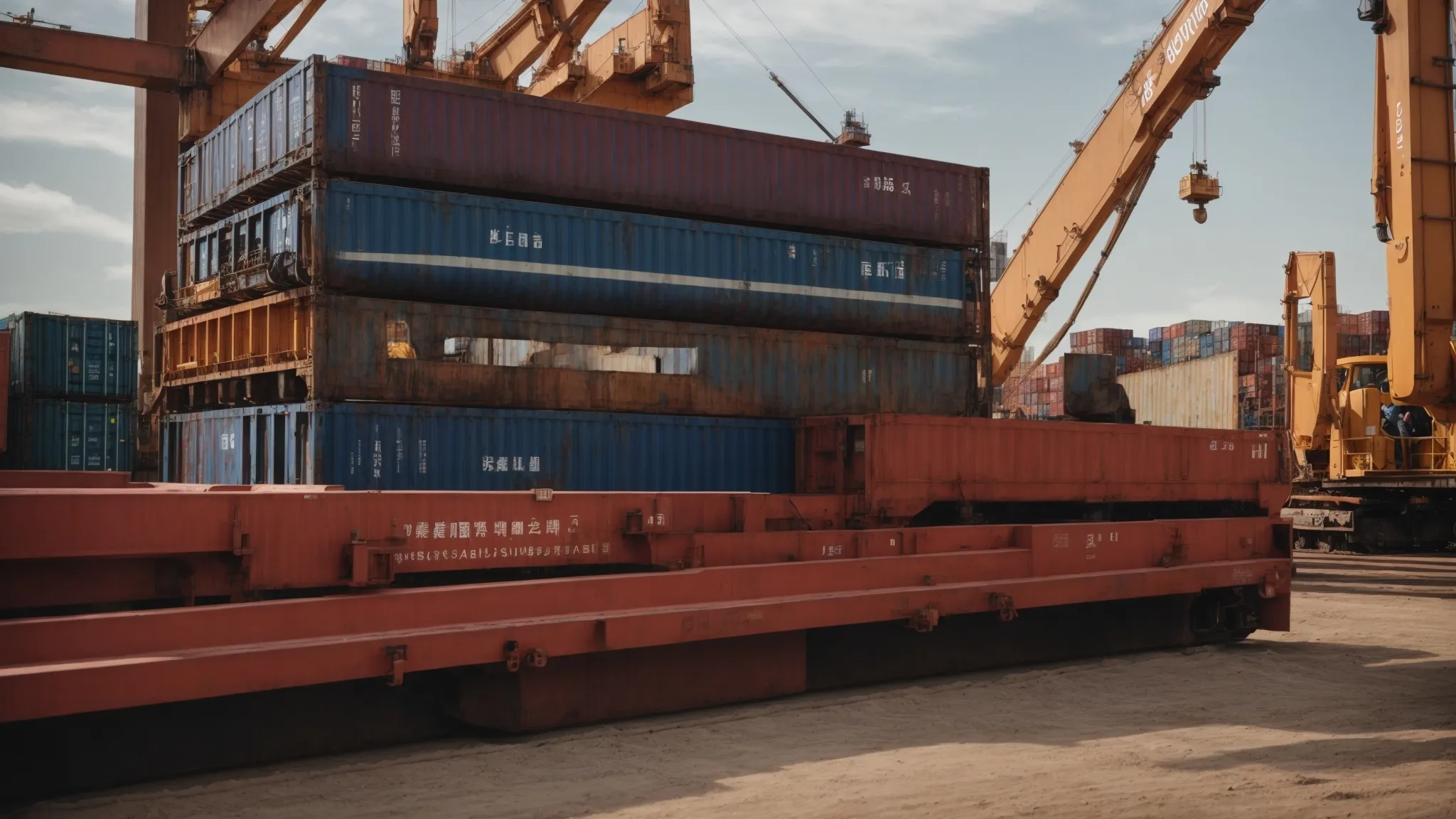
When dealing with items that defy conventional sizing, like oversized machinery or bulky construction materials, the logistics industry turns to the robust and adaptable solution of flat rack containers.
These specialized containers, devoid of roof or side walls, present an open design that can accommodate the heft and dimensions of cargo that the confines of standard containers would otherwise restrict.
As you evaluate your needs, consider the defining features of flat rack containers and their ability to securely transport types of cargo that present unique challenges in size and weight.
With this guide, you'll gain valuable insights into leveraging flat rack containers for your logistical demands, ensuring your oversized goods reach their destination unimpeded.
Features That Define Flat Rack Containers
Flat rack containers distinguish themselves with their robust, versatile design, tailored to support and transport unusually large or heavy loads. Their open sides and absence of a roof enable the accommodation of oversized cargo, such as heavy machinery or large-scale construction materials that are too wide or tall for standard containers.
The structural integrity of flat rack containers lies in their fortified base and corner posts that handle immense weights and ensure stability during transport, whether by truck, ship, or rail. This specialized container type is a reliable option for your sizable and challenging freight, ensuring safe passage to its destination.
Types of Cargo Suitable for Flat Rack Containers
Flat rack containers are engineered to transport the behemoths of trade and construction: the goods that laugh in the face of conventional cargo space. These shipping powerhouses are perfect for colossal items like construction equipment, wind turbine components, or large tanks that need space and structural resilience.
Your ventures that involve transporting vehicles or substantial industrial machinery find sanctuary in these containers. When dimensional confines of standard options pose a problem, flat racks rise to the occasion:
- Ship vehicles, from cars to tractors, with no need for disassembly.
- Move oversized construction materials, like girders or steel beams, with confidence.
- Transport large-scale industrial machinery destined to propel your client's operations.
Leveraging a flat rack's open design ensures that even the most unwieldy and heavy cargo can be efficiently secured and shipped. Specialized for unconventionally shaped freight, these containers betray the norms of shipping, allowing your business to navigate logistics confidently.
Transitioning from the robust realm of flat rack containers designed for your hefty, oversized loads, we turn our attention to the innovative solutions that guard against the fickle moods of Mother Nature. Embrace the ingenious insulated shipping containers and your stalwart defenders when transporting temperature-sensitive treasures.
Insulated Containers to Protect Temperature-Sensitive Goods
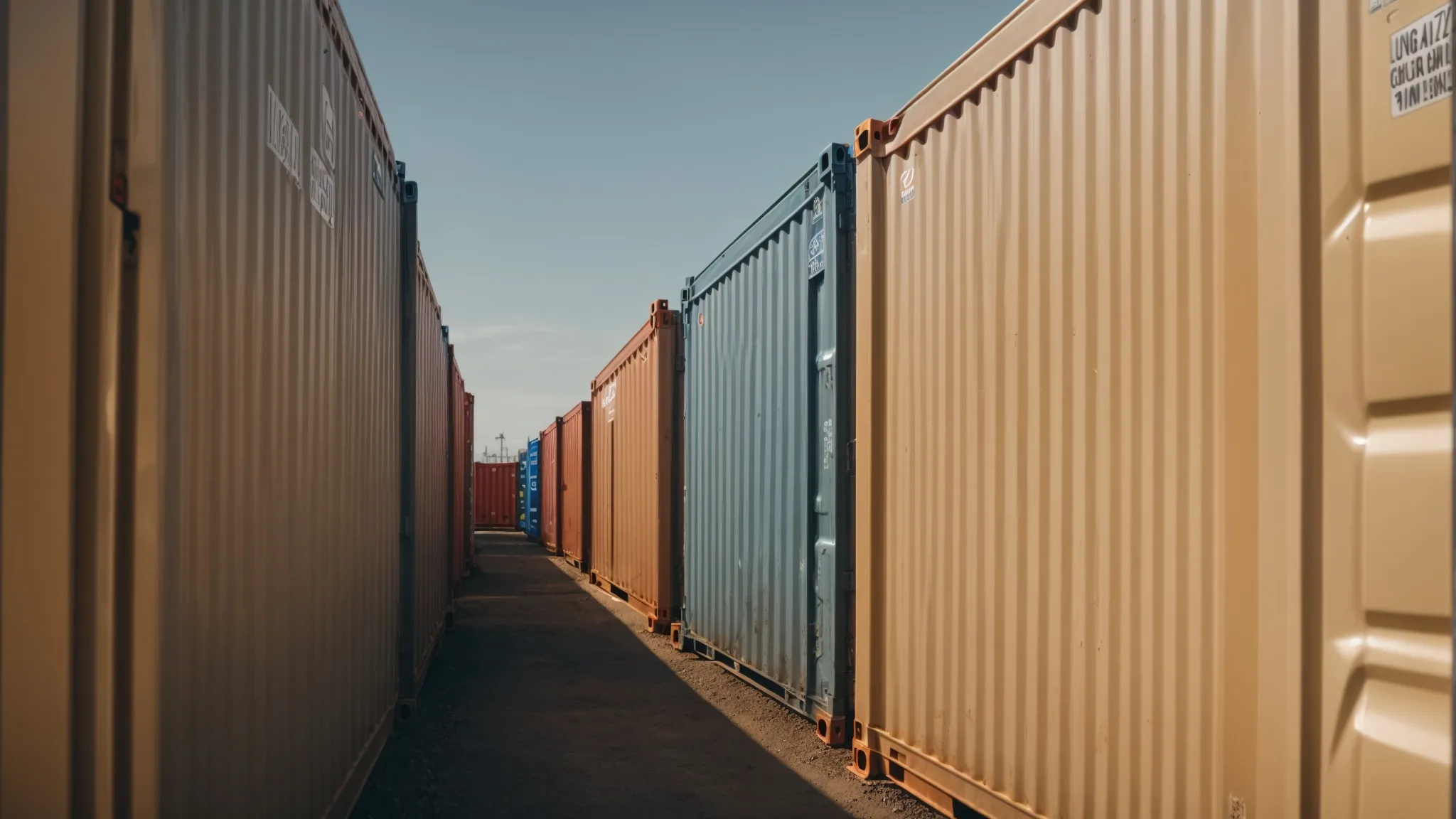
Embark on a journey into insulated shipping containers, where protecting temperature-sensitive goods becomes a paramount aspect of your transport and logistics strategy.
These containers stand as vigilant guardians, armed with specialized materials capable of maintaining a stable internal climate, no matter the external weather conditions in their port transit.
In this realm, businesses find solace in the insulation's capability to shield perishable products, ensuring they arrive at their destination with quality and freshness intact.
Unveil the palpable benefits and the mechanisms by which these indispensable containers master the art of temperature control.
Key Benefits of Using Insulated Containers
Insulated shipping containers emerge as a crucial asset when your business hinges on the integrity of products sensitive to environmental changes. They are designed to maintain a consistent internal temperature, ensuring that items like pharmaceuticals, food, and other perishables are shielded from the erratic nature of external weather patterns during transport.
Utilizing an insulated shipping container translates directly to preserving the quality and longevity of your temperature-sensitive cargo. It not only upholds product integrity upon delivery, but it also extends the potential market reach, enabling safe passage over greater distances and through diverse climates without the risk of degradation.
How Insulated Containers Maintain Temperature Control
At the heart of an insulated shipping container's ability to control temperature lies its sophisticated construction: walls lined with layers of insulating material that create a formidable barrier against thermal transfer. Whether the journey involves scorching heat or cold, the insulation ensures a stable environment that's vital for your sensitive cargo.
Furthermore, many insulated containers come equipped with refrigeration units, turning them into refrigerated containers or "reefers." These high-tech machines enable precise temperature settings, adapting the container's internal climate to match the specific needs of your temperature-sensitive goods:
- Maintain chilled conditions for fresh produce, ensuring it arrives crisp and market-ready.
- Keep frozen goods in an optimal state without the risk of thawing during transport.
- Preserve pharmaceuticals at stable temperatures to uphold their efficacy and safety.
By incorporating these state-of-the-art features, an insulated shipping container becomes more than just a storage unit; it transforms into a mobile climate-controlled sanctuary for your products.
Shifting gears from the safeguarded realms of temperature control, let's turn our attention skyward. Imagine a container that embraces the ease of crane-loading from above – welcome to the world of open-top containers.
Open-Top Containers for Convenient Loading
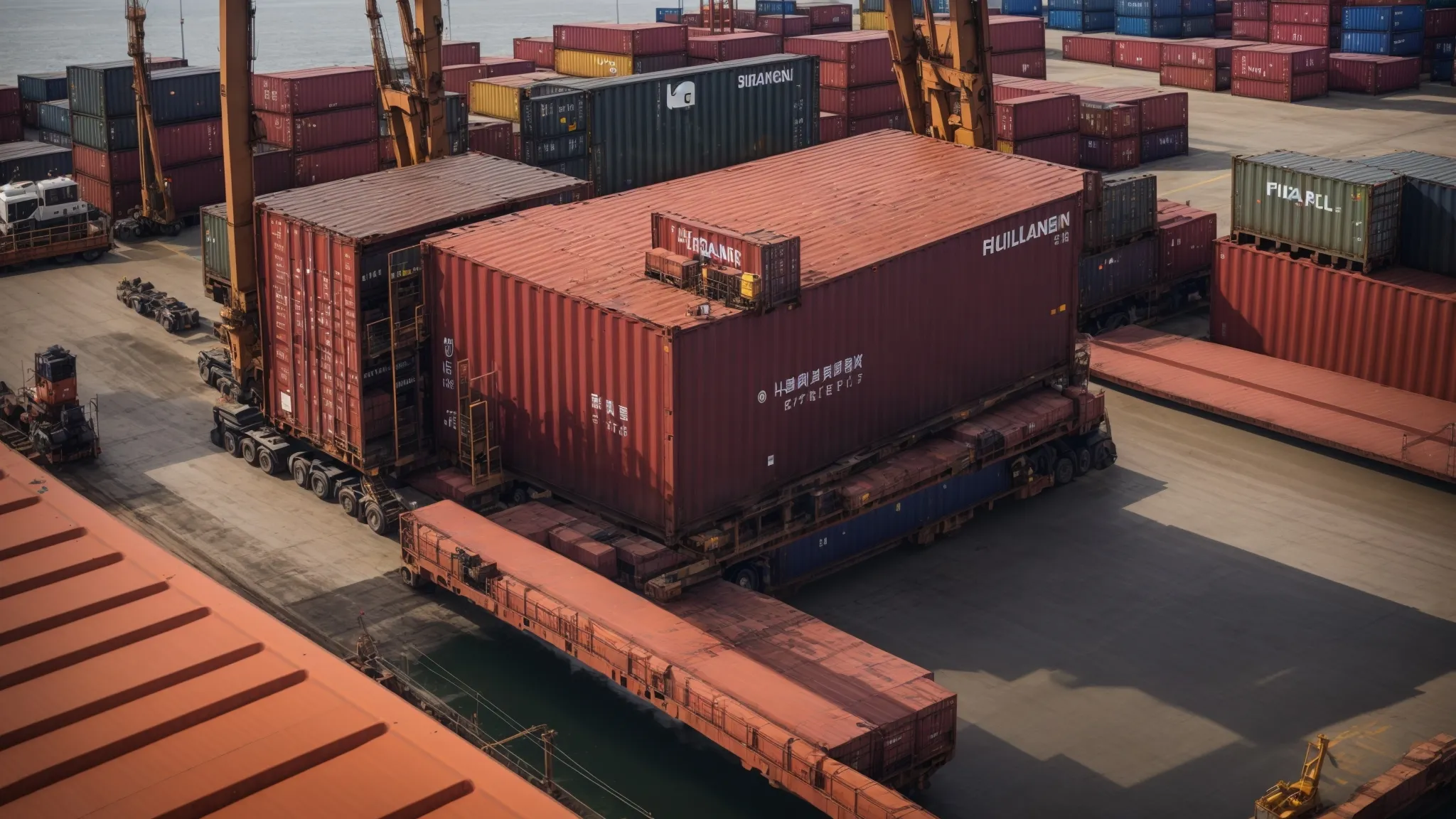
Turning the spotlight on open-top containers, you'll uncover how their distinctive design revolutionizes loading procedures for oversized or cumbersome loads.
Unlike conventional models, these open-top variants provide the flexibility and simplicity required for top-loading materials—particularly those that cannot be easily maneuvered through traditional side doors or require cranes for placement.
Below, we delve into the pivotal characteristics that make open-top containers an asset for specific transport scenarios, providing essential insights to determine when their use aligns seamlessly with your logistical challenges.
Understanding the Unique Design of Open-Top Containers
Grasping the essence of open-top containers reveals an ingeniously conducive design to loads that defy simple side-loading. These containers, lacking a fixed roof, provide the flexibility to load cargo from above using a crane or other lifting equipment, demonstrating their undeniable utility for specific types of freight.
You'll appreciate the open-top container's ability to accept goods that are tall, or that have awkward shapes, which might otherwise present a significant challenge. Their design brilliance shines in accommodating such uniquely proportioned items and significantly easing the labor and time involved in the loading process.
Situations Where Open-Top Containers Are the Best Option
When your shipment encompasses towering equipment or voluminous construction components that can't conform to the constraints of side-loading, open-top containers provide an optimal solution. Their unobstructed overhead space allows you to load and secure these daunting items directly from above effortlessly, sparing you the complexities of disassembling or intricately maneuvering them into a confined space.
Open-top containers are particularly advantageous when your cargo demands direct vertical clearance, as with large industrial parts or machinery extending beyond standard containers' height. By affording the flexibility to utilize a crane or other lifting devices, these containers cater to transporting outsized items, ensuring your heavy cargo arrives intact and ready for deployment.
Embrace the cool innovation of refrigerated containers as we navigate the world of perishable goods. Delve into the investment that ensures freshness from farm to point of sale.
Investing in Refrigerated Containers for Perishable Products
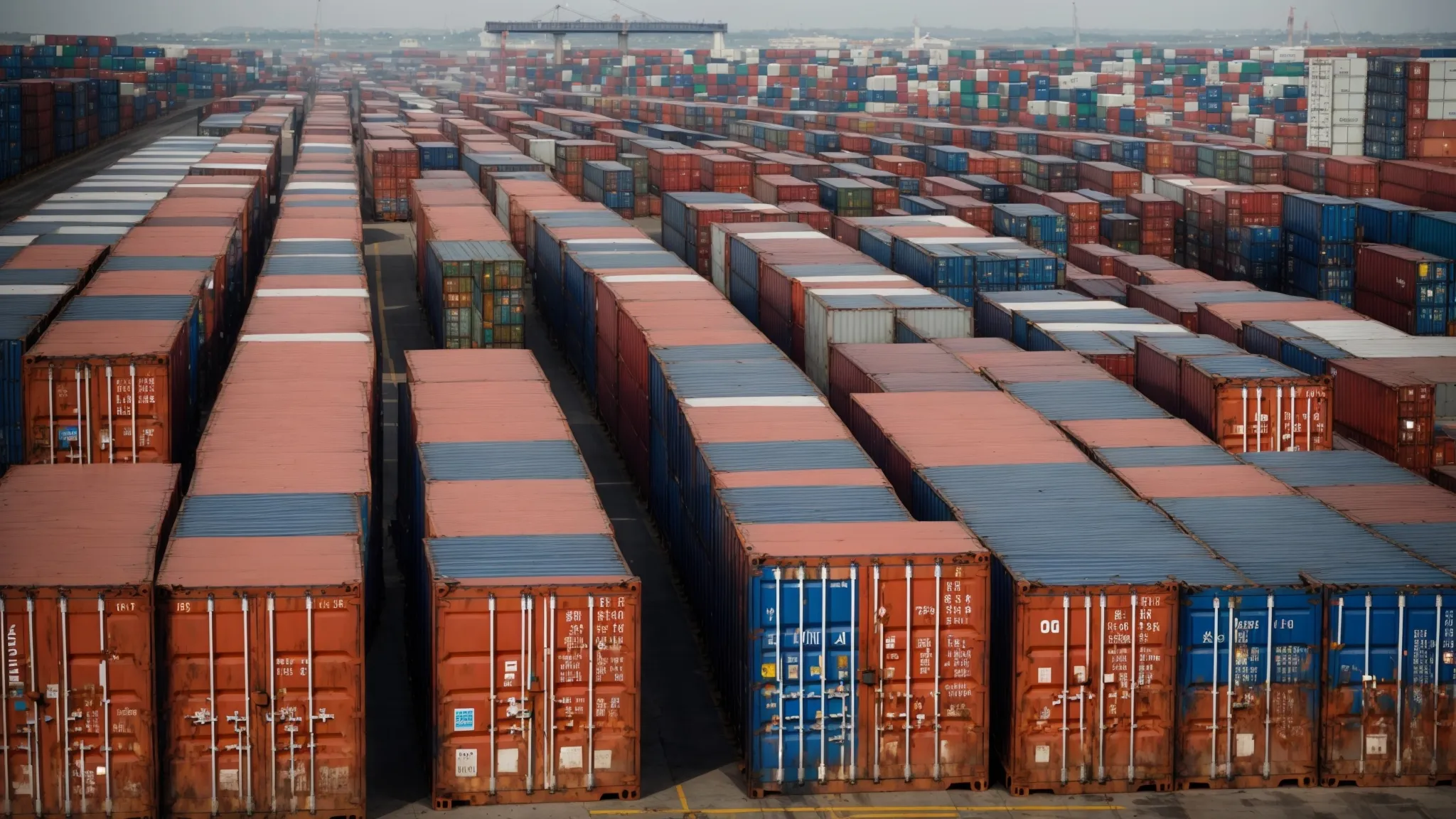
When your business hinges on the freshness and viability of products, ensuring quality preservation through regulated temperatures is paramount.
Refrigerated containers, or reefers, are the linchpins in this critical endeavor, offering advanced technological features to keep perishable goods in prime condition across substantial distances.
Whether safeguarding delicate pharmaceuticals or a bounty of fresh produce bound for international markets, the strategic investment in refrigerated containers can revolutionize your cold chain logistics.
As we venture further, discover the technical complexities behind these climate-controlled fortresses and the diverse industries that rely on their indispensable service.
Technical Aspects of Refrigerated Containers
Understanding the intricacies of refrigerated containers begins with appreciating their sophisticated refrigeration systems, engineered to maintain precise temperature settings. These containers, equipped with robust insulation and powerful refrigeration units, allow you to dictate the exact climate conditions required for your perishable goods, securing their freshness over long voyages and ensuring they meet rigorous international standards.
Equipped with a connection for an external power source when stationary and the ability to utilize transport vehicle energy while in movement, refrigerated containers are designed for seamless temperature control. They provide a consistent, energy-efficient environment for your temperature-sensitive inventory, maintaining quality from departure to arrival.
Industries That Commonly Use Refrigerated Containers
Refrigerated containers, pivotal within the cold chain, serve diverse industries that trade in freshness and quality preservation. The food sector, for instance, relies heavily on these refrigerated units to maintain perishables like fruits, vegetables, meats, and seafood during transit, ensuring they reach markets in an optimal state.
Pharmaceutical companies represent another significant user group: refrigerated containers are essential in safeguarding drugs, vaccines, and biologics that require strict temperature control throughout their journey, thus guaranteeing both efficacy and compliance with health regulations:
- Transport essential vaccines at stable temperatures is critical for global health initiatives.
- Deliver temperature-sensitive biotechnological products to research facilities and hospitals.
- Preserve the quality and taste of gourmet foods by traveling to exclusive culinary destinations.
Beyond these, the floriculture industry employs reefers to extend the beauty and vitality of their blooms, shipping them from nurseries to international flower markets without compromising their delicate nature. These refrigerated containers offer a lifeline, ensuring the vitality of products whose value is directly tied to freshness.
Conclusion
A Comprehensive Guide to Various Shipping Containers Available for Purchase" is an invaluable resource for anyone involved in the trade and logistics industry.
Understanding the diverse range of available containers – from compact 10ft containers for small-scale needs to massive 40ft and high-cube containers for substantial cargo – is crucial for optimizing shipping and storage strategies.
Specialized options like open-top for tall cargo, flat racks for oversized goods, and insulated or refrigerated containers for temperature-sensitive products cater to specific logistical challenges, ensuring the safe and efficient transport.
This guide empowers businesses to make informed decisions when investing in shipping containers, enhancing operational workflows, preserving cargo integrity, and expanding market reach through tailored logistics solutions.