
The U.S. cold chain is rolling into the hottest months of 2026 with a problem it can’t build its way out of fast enough. The average American cold storage facility is 42 years old, per Manufacturing Dive’s reporting on the sector, capacity is tightest near the ports and borders where food businesses actually need it, and summer energy costs are climbing just as harvest season ramps up. For farms, food producers, caterers, and distributors who need temperature-controlled space this summer, the warehouse waitlist is no longer the only option — and increasingly, it’s not even the best one.
The fast-growing alternative is sitting on a steel chassis: refrigerated and insulated shipping containers, deployed on-site in days instead of the years a warehouse build requires. It’s part of the broader shift toward shipping containers as flexible storage that construction, retail, and agriculture have been driving for years — and in 2026, the cold chain is the segment moving fastest. Here’s what’s behind the crunch, and how to decide whether a containerized cold room fits your operation.
What the Numbers Are Saying
The global cold storage market is estimated at roughly $310 billion in 2026, with food and beverage accounting for about 52% of demand, according to Future Market Insights’ 2026 sector analysis. That demand is colliding with infrastructure that wasn’t built for it. The Global Cold Chain Alliance’s 2026 outlook flags intensifying pressure on providers as food manufacturers and distributors navigate capacity constraints, rising infrastructure costs, and service variability across North America’s temperature-controlled network.
Here’s the wrinkle that confuses buyers: nationally, there’s no shortage. New cold storage space grew 14.5% from 2021 through 2025 while demand rose only about 5%, per DHL Supply Chain’s analysis in Food Logistics. But that new capacity went where developers could build cheaply — not where food moves. FreightWaves’ coverage of Lineage’s 2026 cold chain report describes exactly this mismatch: capacity is expected to stay tight near borders and ports as food companies expand frozen and refrigerated networks while adjusting sourcing to manage tariffs and risk. Cold storage isn’t scarce everywhere. It’s scarce where you need it.
That geographic mismatch is the same dynamic we covered in our overview of the key trends shaping the shipping container sales industry — national averages hide local realities, and the buyers who understand their local market beat the ones reading headlines. In the Northeast, where industrial land is expensive and cold storage construction has lagged, the local reality is a seller’s market for temperature-controlled space.
Summer 2026 Is Stress-Testing the Cold Chain
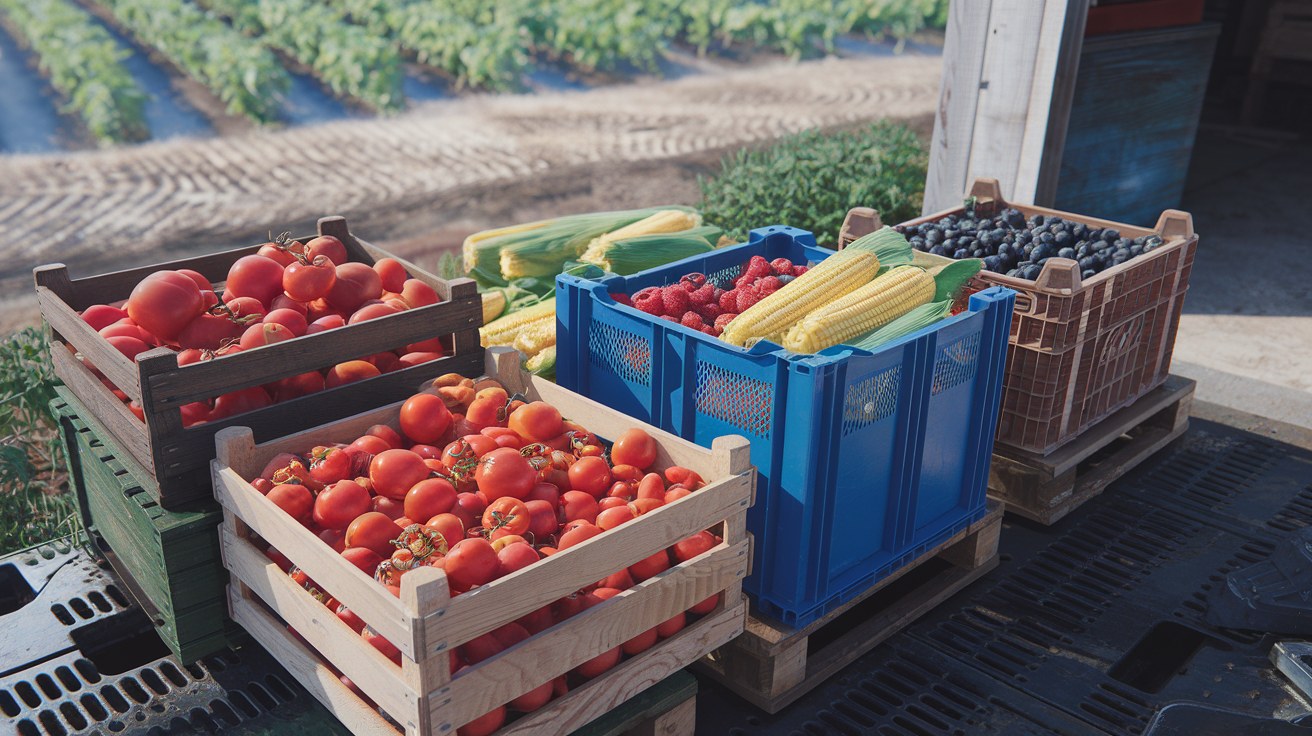
Heat is the cold chain’s annual stress test, and this year’s is arriving with extra weight. FoodNavigator’s June 1 heatwave-preparedness coverage lays out the operational math: high ambient temperatures force refrigeration systems to work harder, energy consumption climbs, and the cost of every pallet-day of cold space rises with it. Dry ice and coolant materials are already in short supply, per the same reporting, and a limited supplier base makes availability tighter every time a heat dome parks over a growing region.
For agricultural operations, the timing is unforgiving. Northeast produce season runs hard from June through October — berries, sweet corn, tomatoes, apples — and every week of harvest needs cold capacity that the regional warehouse network may not have within an hour’s drive. A grower who can’t book space sells faster at lower prices or eats the spoilage. Neither is a business plan.
Food service feels the same squeeze from the other direction. Restaurants, caterers, breweries, and event operators heading into the busiest outdoor season of the year — with World Cup crowds amplifying summer demand across the region — need overflow cold capacity measured in weeks, not lease terms. Traditional cold storage wants multi-year commitments. Summer doesn’t work that way.
The Container Answer: Reefers and Insulated Units

A refrigerated container — a reefer, in industry shorthand — is a purpose-built cold room on a steel frame: an insulated 20-foot or 40-foot box with an integrated refrigeration unit that holds temperatures from deep-freeze to chilled, powered by a standard electrical hookup. Trade publication Refrigerated & Frozen Foods reports that containerized cold rooms are gaining traction precisely because food manufacturers and 3PLs want scalable refrigerated capacity without the expense and permanence of traditional facilities. The unit arrives on a truck, connects to power, and is holding temperature the same day.
The economics are the draw. A warehouse expansion is a multi-year capital project; a refrigerated container is a single purchase that lands in days and moves when your operation moves. There’s no lease escalation, no shared-facility scheduling, and no drive time hauling product to a third-party freezer. The reefer doesn’t care whether anyone built a warehouse in your county this year.
For loads that need temperature stability rather than active cooling, an insulated container does the job without the machinery. The insulated walls and ceiling buffer the interior against outside swings, which suits dry goods, produce staging, animal feed, and any product that needs protection from summer heat but not a setpoint. No refrigeration unit also means no power bill and one less thing to maintain — a meaningful difference for remote sites and seasonal operations.
Matching the Unit to the Job
The reefer-versus-insulated decision comes down to one question: does the product need a controlled temperature, or just a stable one? Dairy, meat, frozen goods, and most regulated food storage need the reefer’s active cooling and verifiable temperature log. Produce staging, beverage overflow, feed, seed, and heat-sensitive equipment usually do fine in an insulated unit at a fraction of the operating cost. Our insulated containers page covers the construction details — wall build-up, ceiling insulation, ventilation options — that determine how well a unit holds interior conditions through a July afternoon.
There’s also a build-your-own path. A standard used container with an insulation package, ventilation, and electrical rough-in can become a cost-effective cool room for less demanding applications. The modification options available — spray foam insulation, HVAC, ventilation, electrical — let buyers spec exactly the level of climate control the use case demands. Farm stands, market gardens, and the kind of container reuse projects popping up across food and beverage retail frequently take this route: one box, one modification budget, one purpose-built cold space.
For scale, the baseline math is friendly. Used 20-foot dry containers average $1,786 nationwide in 2026, per Container Sales Group’s pricing guide, and insulated and refrigerated units carry premiums above that baseline that vary with age and machinery condition. Even at the top of the range, a working reefer costs a small fraction of one year of leased cold warehouse space in most Northeast markets.
What to Check Before You Buy
Buying a reefer is a machinery purchase, not just a box purchase, and the inspection should treat it that way. First, run the refrigeration unit before money moves. A legitimate dealer will pre-trip the unit — run it to setpoint and hold it — and show you the result. Ask how old the machinery is, whether it’s been serviced, and what refrigerant it uses, since older refrigerants are being phased out and can complicate future service.
Second, inspect the box like any used container. Door gaskets, floor condition, wall integrity, and roof seams matter even more on a cold unit, because every air leak is a permanent surcharge on your power bill. The checklist in our guide on what to look for when buying a shipping container applies in full, with the gaskets and seals promoted to the top of the list. Buying from a yard with used inventory you can physically inspect beats buying from a listing photo every time.
Third, plan power and placement before delivery. A reefer typically needs a dedicated 220V/440V connection, and the site needs the same things any container needs — firm level ground, truck access, and overhead clearance. Our delivery and placement guide walks through the prep, and buyers in the New York, New Jersey, and Pennsylvania markets can get site-specific delivery guidance from our team before the truck is scheduled.
The Bottom Line
The cold storage crunch of 2026 is a location problem wearing a capacity costume — the space exists nationally, but not near the ports, farms, and summer crowds that need it, and a 42-year-old warehouse network isn’t getting younger. Refrigerated and insulated containers solve the location problem directly: cold capacity that arrives in days, sits where the product is, and moves when the season ends. For a Northeast grower staring down harvest or a food business staring down July, that’s not a compromise solution. It’s the better one.
If you’re weighing a refrigerated unit, an insulated unit, or a modified cold room for your operation, our team can walk you through current inventory, machinery condition, power requirements, and delivery for your site. Request a quote today and have cold capacity on the ground before the next heat wave, not after it.
Sources: Manufacturing Dive cold storage sector reporting; Future Market Insights 2026 Cold Storage Market analysis; Global Cold Chain Alliance 2026 Cold Chain Outlook; DHL Supply Chain analysis in Food Logistics; FreightWaves coverage of Lineage’s 2026 cold chain report; FoodNavigator heatwave preparedness coverage (June 1, 2026); Refrigerated & Frozen Foods containerized cold room reporting; Container Sales Group 2026 Pricing Guide.